

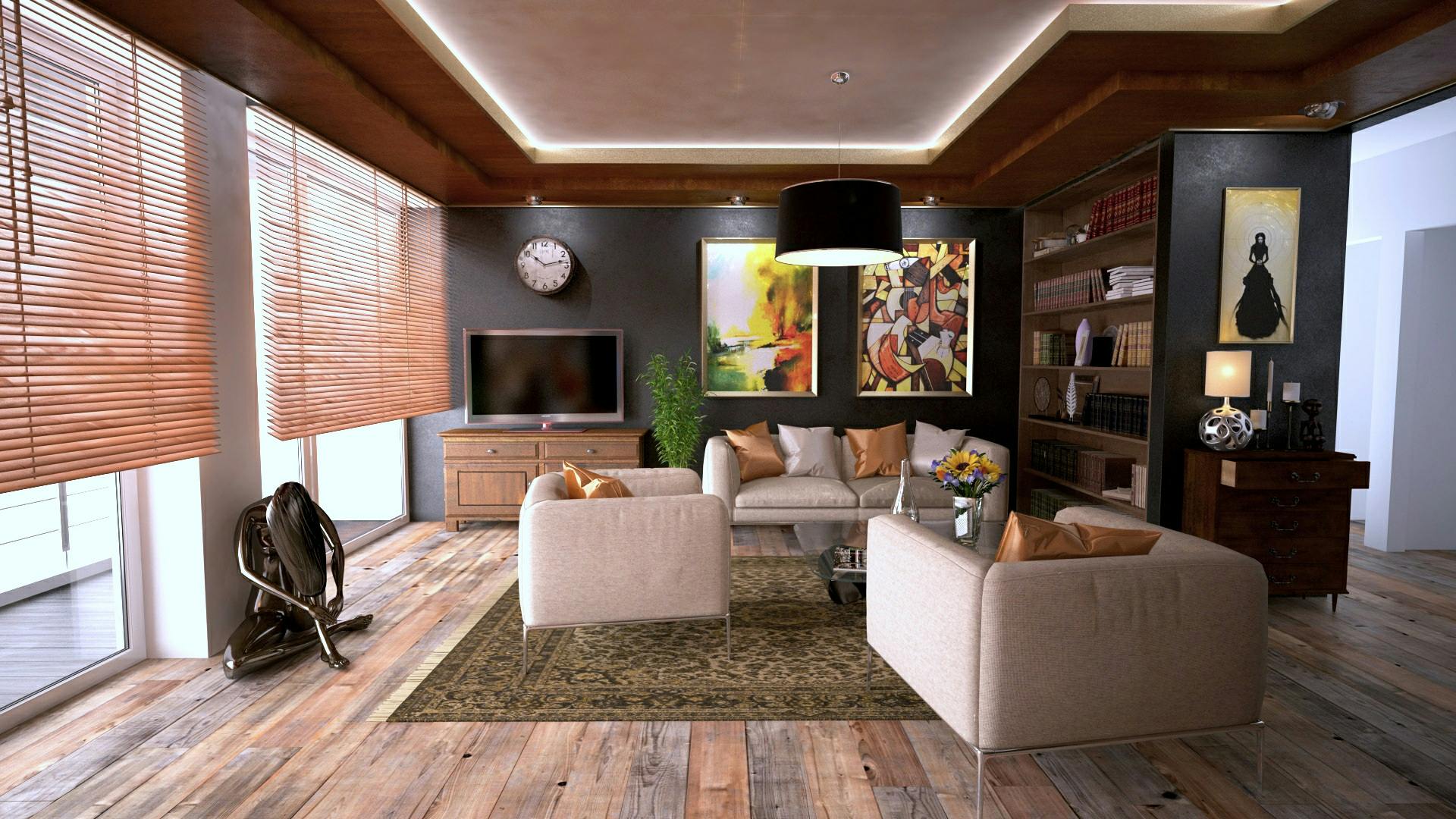
Designing a home that feels harmonious, fluid, and visually connected is the hallmark of seamless interior design. A seamless interior doesn’t mean boring or monotonous—it means every element works together naturally, creating balance, comfort, and elegance. Whether you’re redesigning a single room or an entire home, understanding how to blend colors, textures, layouts, and lighting is key.
In this informational guide, you’ll discover 7 practical tips to design seamless interiors that look polished, modern, and timeless.
What Is Seamless Interior Design?
Seamless interior design is the art of creating visual continuity throughout a space. It ensures that rooms flow effortlessly into one another without abrupt changes in color, style, or function. This approach is especially important in open-plan homes, modern apartments, and contemporary spaces where cohesion enhances both aesthetics and usability.
Why Seamless Interiors Matter
- Enhances visual flow and spaciousness
- Creates a calm and organized atmosphere
- Improves functionality across connected spaces
- Adds long-term value to your home
- Makes small spaces feel larger and more inviting
A seamless design is not about uniformity—it’s about intentional consistency.
1. Establish a Unified Color Palette
A cohesive color scheme is the foundation of seamless interior design. Choose a primary color palette and apply it consistently across all rooms.
How to Do It Right
- Select 1–2 dominant neutral colors (white, beige, gray)
- Add 2–3 complementary accent shades
- Use varying tones of the same color to avoid flatness
SEO Tip: Neutral color palettes help interiors feel timeless and adaptable to changing trends.
2. Maintain Consistent Flooring Throughout
Flooring plays a major role in how spaces connect visually. Using the same or similar flooring material across rooms eliminates visual breaks.
Best Flooring Choices for Seamless Interiors
- Hardwood or engineered wood
- Large-format tiles
- Polished concrete
- Luxury vinyl planks
If different flooring is necessary, use subtle transitions or matching tones to maintain continuity.
3. Balance Furniture Styles and Proportions
Mixing furniture styles is acceptable, but they should share common elements such as color, material, or shape.
Furniture Design Tips
- Keep scale and proportions consistent
- Avoid overcrowding one area while leaving another sparse
- Repeat materials like wood, metal, or fabric across rooms
This creates rhythm and visual harmony throughout the interior.
4. Use Repetition to Create Visual Flow
Repetition is a powerful design principle in seamless interiors. When certain design elements reappear, the eye naturally connects spaces.
Elements You Can Repeat
- Lighting fixtures
- Textures (wood grain, marble, linen)
- Accent colors
- Patterns or shapes
Subtle repetition strengthens unity without making the design predictable.
5. Optimize Lighting for a Unified Look
Lighting can either enhance or disrupt interior flow. A layered lighting approach ensures consistency while meeting functional needs.
Layered Lighting Includes
- Ambient lighting for overall illumination
- Task lighting for specific activities
- Accent lighting for visual interest
Use similar light temperatures (warm or neutral) across rooms to avoid harsh contrasts.
6. Create Smooth Transitions Between Spaces
Transitions are where seamless interiors truly shine. Doorways, hallways, and open spaces should feel natural and intentional.
Transition Design Ideas
- Use area rugs to subtly define zones
- Maintain consistent wall finishes
- Align furniture placement across connected rooms
In open-plan layouts, strategic furniture arrangement can replace walls without breaking flow.
7. Declutter and Embrace Minimalism
Clutter disrupts visual harmony. A clean, organized space instantly feels more cohesive and calming.
Minimalist Interior Design Tips
- Use built-in storage solutions
- Choose multifunctional furniture
- Display décor intentionally
- Avoid over-accessorizing
Minimalism doesn’t mean empty—it means purposeful design.
Common Mistakes to Avoid in Seamless Interior Design
- Using too many contrasting colors
- Mixing unrelated design styles
- Ignoring lighting consistency
- Overdecorating individual rooms
- Forgetting about transitions
Avoiding these mistakes will help maintain balance and unity throughout your home.
Final Thoughts: Designing Seamless Interiors That Last
Creating seamless interiors is about thoughtful planning and attention to detail. By maintaining consistency in color, materials, lighting, and layout, you can design a home that feels effortlessly connected and visually pleasing.
Whether you prefer modern, contemporary, or classic styles, these 7 tips for seamless interior design will help you achieve a cohesive look that stands the test of time.
Frequently Asked Questions (FAQs)
Q: Can seamless interiors still have variety?
Yes. Variety comes from textures, patterns, and accents—while consistency maintains harmony.
Q: Are seamless interiors suitable for small homes?
Absolutely. Seamless design makes small spaces feel larger and more open.
Q: Do seamless interiors cost more?
Not necessarily. Planning ahead and maintaining consistency can actually reduce unnecessary expenses.