

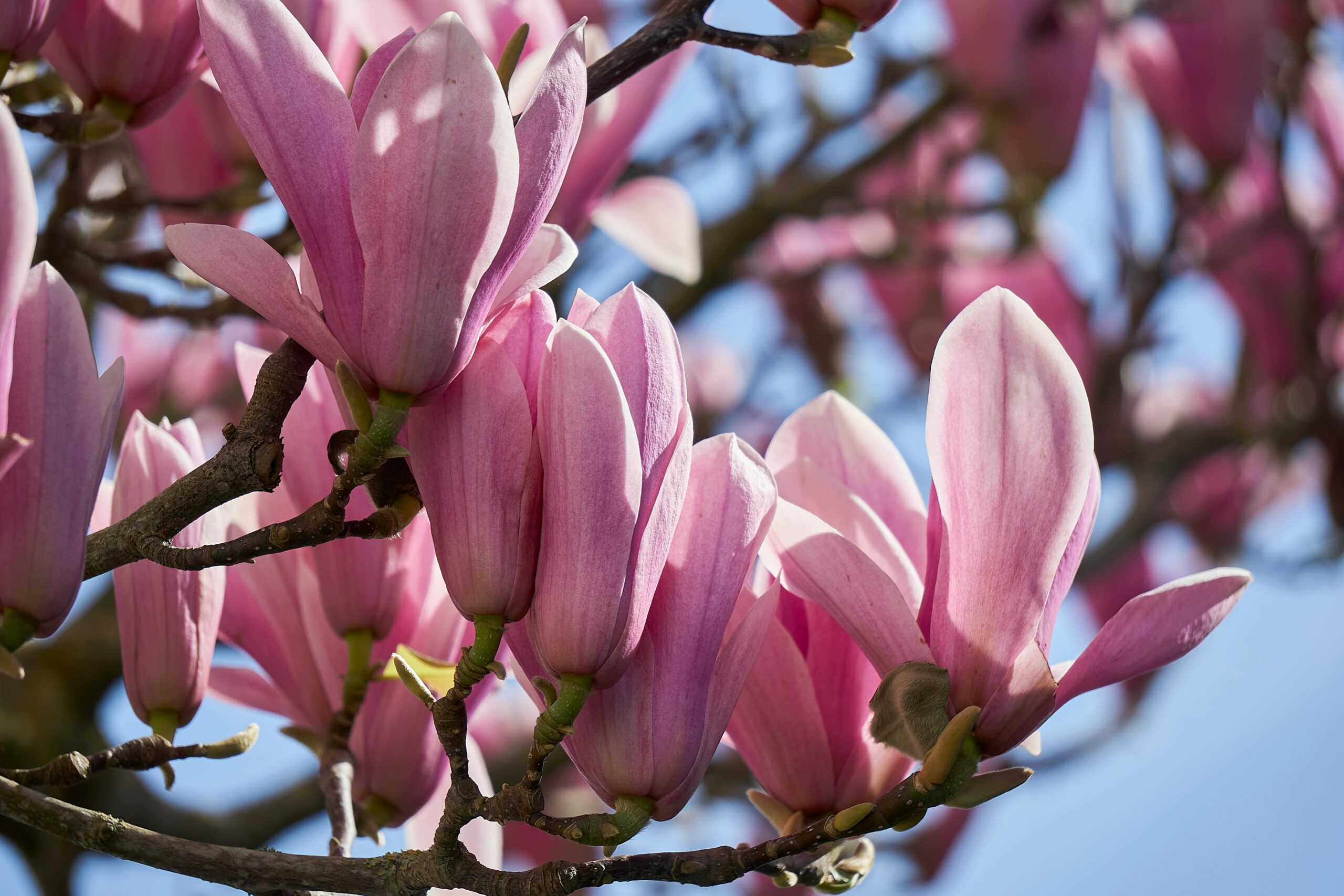
Magnolia trees are prized for their glossy leaves and stunning spring blooms, but many gardeners become concerned when their magnolia suddenly starts shedding lots of leaves in May. While leaf drop can look alarming, it’s often a normal seasonal response—though sometimes it signals a care issue that needs attention.
In this guide, we’ll explain why magnolias lose leaves in May, how to tell normal leaf drop from a problem, and the best magnolia care tips to keep your tree healthy year-round.
Is It Normal for Magnolias to Shed Leaves in May?
Yes, in many cases, magnolia leaf drop in May is completely normal.
Most magnolia varieties—especially Southern magnolia (Magnolia grandiflora)—are evergreen or semi-evergreen. As new growth emerges in late spring, older leaves naturally fall to make room for fresh foliage. This process is known as seasonal leaf replacement.
Normal signs include:
- Leaf drop mainly from the interior or lower branches
- Leaves turning yellow or brown before falling
- Healthy new leaves appearing at the same time
Common Reasons Magnolias Shed Leaves in May
1. Seasonal Leaf Renewal
Magnolias often shed older leaves in late spring as temperatures rise. This is the most common and harmless reason for May leaf drop.
2. Temperature Stress
Sudden weather changes—such as a late frost, heat spike, or cold nights—can shock the tree, causing it to drop leaves temporarily.
3. Water Stress (Too Much or Too Little)
Improper watering is a major cause of excessive leaf drop.
- Underwatering leads to dry, brittle leaves
- Overwatering can suffocate roots and cause yellowing leaves
4. Transplant Shock
If your magnolia was planted or moved within the last year, leaf shedding in May may be due to transplant stress as roots establish themselves.
5. Nutrient Deficiency
A lack of essential nutrients—especially nitrogen or iron—can cause leaf discoloration and drop.
6. Pests or Disease
While less common, scale insects, leaf spot fungi, or root rot can contribute to leaf loss if untreated.
How to Tell If Leaf Drop Is a Problem
Leaf shedding may be a concern if you notice:
- Heavy leaf drop with no new growth
- Leaves falling while still green
- Black spots, mold, or insects on leaves
- Soft or foul-smelling soil around the roots
If these symptoms appear, intervention is recommended.
Best Magnolia Care Tips to Prevent Excessive Leaf Drop
Water Properly
- Water deeply once or twice a week during dry periods
- Ensure well-draining soil to prevent root rot
Mulch Correctly
- Apply 2–3 inches of mulch around the base
- Keep mulch away from the trunk to prevent disease
Fertilize Wisely
- Use a slow-release fertilizer designed for trees or acid-loving plants
- Avoid over-fertilizing, which can stress roots
Protect from Temperature Extremes
- Young trees benefit from wind protection
- Avoid pruning during temperature swings
Inspect for Pests
- Check leaf undersides for scale insects
- Treat early with horticultural oil if needed
When to Be Concerned
If your magnolia continues shedding leaves through summer, shows branch dieback, or fails to produce new growth, consult a certified arborist or local extension service for a professional diagnosis.
Final Thoughts
Seeing your magnolia shed lots of leaves in May can be unsettling, but in most cases, it’s a natural and temporary process. With proper watering, soil care, and seasonal maintenance, your magnolia will rebound quickly and continue to thrive.
Healthy magnolia trees reward patience—with lush foliage, fragrant blooms, and timeless beauty.