

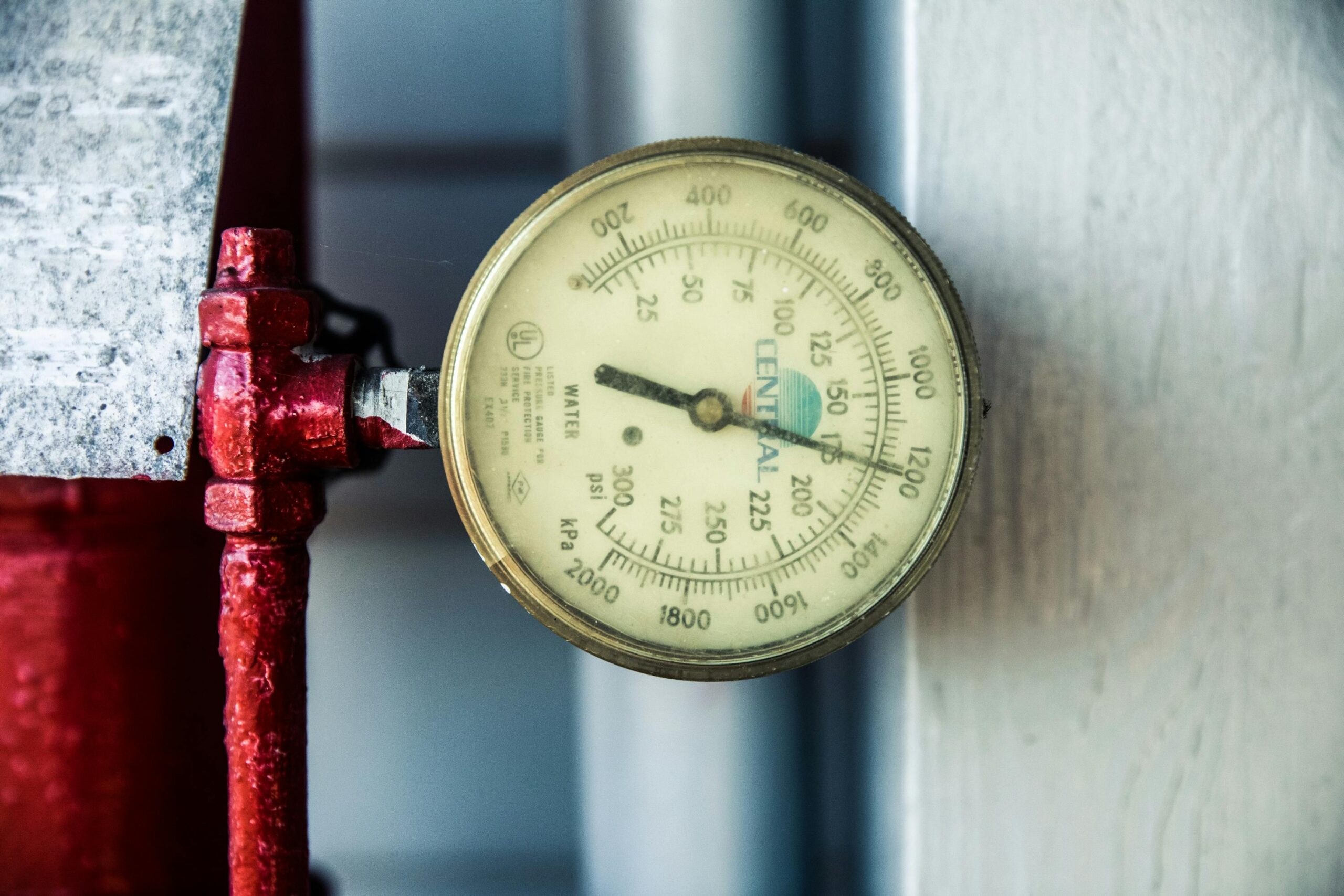
Low water pressure can turn simple things—like taking a shower or washing dishes—into a daily headache. The good news? A plumber can usually find the cause quickly and fix it without guesswork. Let’s break it down in a simple, clear way. A plumber identifies low water pressure by checking your pipes, valves, fixtures, and water source step by step. Once the exact reason is found—like clogged pipes, leaks, or faulty valves—they fix it by cleaning, repairing, or replacing the problem part.
Why Your Water Pressure Is Low
1. Clogged Pipes or Fixtures
Over time, minerals and dirt build up inside pipes and taps. This narrows the space where water flows.
How a plumber fixes it:
They clean or flush the pipes, or replace badly blocked sections. Showerheads and faucets are often cleaned or swapped out.
2. Hidden Leaks in Pipes
Even a small leak can reduce pressure. Water escapes before it reaches your tap.
How a plumber fixes it:
They inspect visible pipes and use pressure tests or leak tools to find hidden leaks, then repair or replace the damaged pipe.
3. Partially Closed Valves
Sometimes the main shut-off valve or meter valve isn’t fully open.
How a plumber fixes it:
They check all valves and open them fully if needed. This is a quick fix in many homes.
4. Old or Rusted Pipes
Older metal pipes can rust inside, slowing water flow.
How a plumber fixes it:
They may replace old sections or suggest upgrading to modern piping if the problem is widespread.
5. Faulty Pressure Regulator
Many homes have a pressure regulator to control incoming water pressure. If it fails, pressure drops.
How a plumber fixes it:
They test the regulator and adjust or replace it if it’s not working properly.
6. City Water Supply Issues
Sometimes the problem isn’t inside your home at all.
How a plumber fixes it:
They check pressure at the main line. If city supply is low, they guide you on options like a pressure booster.
How Plumbers Find the Exact Problem
Plumbers don’t guess. They follow a clear process:
- Check pressure at different taps
- Inspect valves and visible pipes
- Test water flow from the main line
- Look for leaks or blockages
This step-by-step method saves time and money.
Pros & Cons of Hiring a Plumber for Low Water Pressure
| Pros | Cons |
|---|---|
| Finds the real cause fast | Costs more than DIY |
| Prevents future damage | Some fixes take time |
| Uses proper tools | May require pipe replacement |
| Safe and reliable | Not instant in all cases |
Real-World Examples
Example 1:
A homeowner had weak shower pressure. The plumber found mineral buildup in the shower pipe. After cleaning it, pressure returned the same day.
Example 2:
Low pressure in the whole house turned out to be a leaking underground pipe. Fixing the leak restored normal flow and lowered the water bill.
FAQs (People Also Ask)
Can low water pressure be fixed easily?
Yes, many times it’s an easy fix like cleaning a faucet or opening a valve.
How long does it take a plumber to fix low pressure?
Simple issues take under an hour. Bigger problems may take a day or more.
Is low water pressure a sign of a leak?
Often, yes. Sudden pressure drops should always be checked.
Can I fix low water pressure myself?
You can clean faucets and check valves, but deeper issues need a plumber.
Does low water pressure increase water bills?
Leaks causing low pressure can definitely raise your bill.
Final Verdict
Low water pressure always has a reason—and a plumber knows exactly how to find it. From small clogs to hidden leaks, the right fix depends on proper checking, not guessing. If pressure stays low, calling a plumber saves time, money, and future problems.