

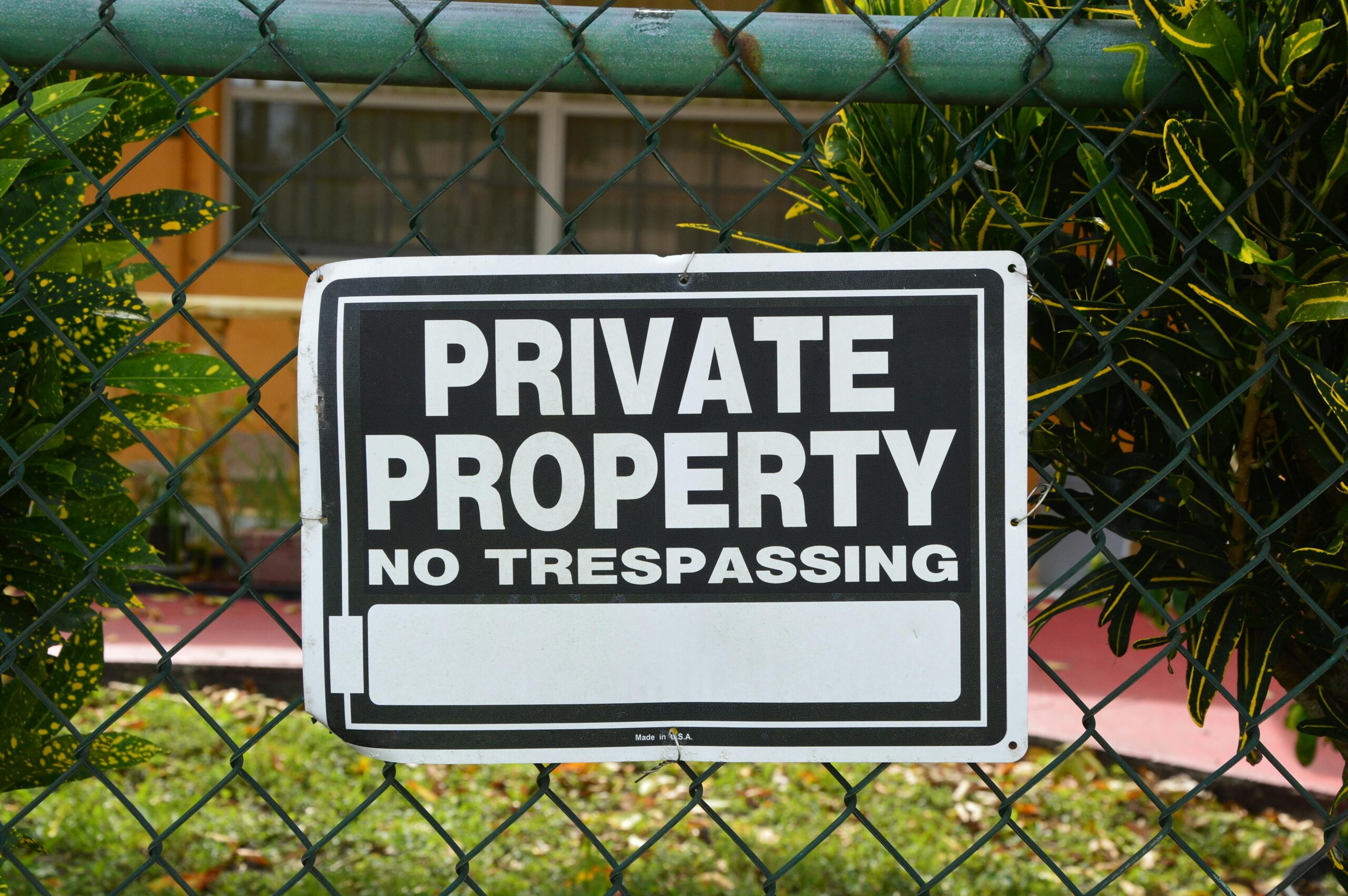
You pull into a private parking lot, maybe your own driveway, and think, “I’m not on the road, so I’m fine.” That’s a very common thought — and it’s also where many people get into trouble. Yes, in many states, you can get a DUI on private property. It depends on your state law, where you were driving, and what the officer can prove.
Let me break this down in plain English.
Can You Really Get a DUI on Private Property?
Yes. In many states, DUI laws apply anywhere you are operating or in control of a vehicle, not just public roads. That includes parking lots, private driveways, fields, and even gated areas.
Some states limit DUI charges to public roads only. Others use broader wording like “any place accessible to the public” or “anywhere in the state.” That wording matters a lot.
Why Private Property Doesn’t Always Protect You
“Driving” Isn’t Always Moving
You don’t always have to be driving down the road. In some states, you can be charged if you are:
- Sitting in the driver’s seat
- Holding the keys
- Capable of starting the car
Even if the car isn’t moving, police may say you had control of the vehicle.
Police Can Still Investigate
Officers can respond to:
- Noise complaints
- Accidents
- Calls from property owners
- Suspicious behavior
If they arrive and see signs of impairment, a DUI investigation can still happen.
Common Private Property Locations Where DUIs Happen
- Parking lots (stores, bars, apartments)
- Private driveways
- Gated communities
- Farm land or open fields
- Private roads inside neighborhoods
A bar parking lot is one of the most common places people get surprised by a DUI.
When You’re More Likely to Be Charged
You’re at higher risk if:
- The public can access the property
- You drove there while intoxicated
- There was an accident
- You admitted to driving
- The keys were in the ignition
Even being asleep in the car can lead to a charge in some states.
When You Might Not Get a DUI
You may have a stronger defense if:
- The property is fully private and restricted
- You were not in the driver’s seat
- The car was inoperable
- There is no proof you drove while impaired
This doesn’t guarantee you won’t be charged, but it can matter in court.
Pros and Cons of DUI Laws on Private Property
| Pros | Cons |
|---|---|
| Helps prevent drunk driving before it reaches roads | Can feel unfair in private spaces |
| Allows police to stop dangerous situations early | Laws vary and confuse drivers |
| Protects others on shared properties | People assume private land is “safe” |
| Covers parking lots where accidents happen | Can lead to unexpected arrests |
Real-World Examples
Example 1:
A man sleeps in his car in a bar parking lot with the keys in his pocket. Police say he had control of the car. He’s charged with DUI.
Example 2:
A woman drinks at home, then moves her car a few feet in her private driveway. Police respond to a neighbor’s call. She is arrested.
Example 3:
Someone drinks on private farm land and drives an ATV. In some states, this still counts as a DUI.
FAQs (People Also Ask)
Can you get a DUI in your own driveway?
Yes, in many states you can. Ownership of the property usually does not matter.
Can you get a DUI in a parking lot?
Yes. Parking lots are one of the most common places for DUI arrests.
Can you get a DUI if the car is not moving?
Possibly. If police believe you had control of the vehicle, you can be charged.
Does every state allow DUI on private property?
No. Laws vary by state. Some require public road use, others do not.
Can you get a DUI on private property without driving there?
Yes, if police think you were about to drive or recently drove.
Final Verdict
Yes, you can get a DUI on private property in many states. Being off a public road does not automatically protect you. If you are in control of a vehicle and impaired, you may still be arrested.
The safest rule is simple:
If you’ve been drinking, don’t sit in the driver’s seat, don’t hold the keys, and don’t move the car — even on private property.