

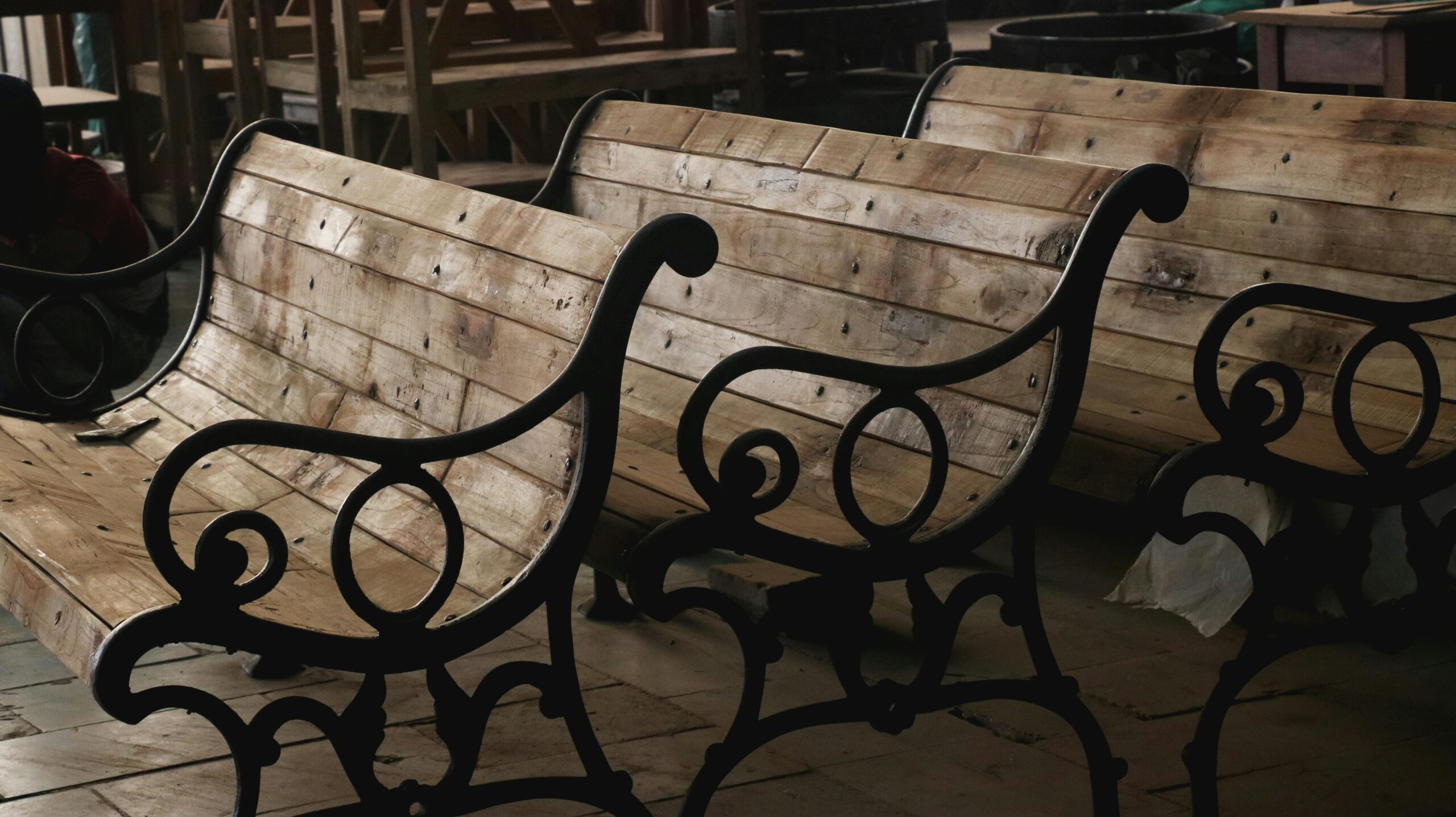
It’s likely that you’ve seen mango wood furniture all over the place lately: tables and beds, as well as shelves, even furniture pieces. It’s beautiful, it feels sturdy, and tends to be more affordable than oak or other hardwoods. But is mango wood really great as a furniture material, or is it simply marketing? It’s true that mango wood is great as a furniture material. It’s strong enough for everyday use, it looks elegant and warm, is priced lower than other hardwoods as well as being eco-friendly. This isn’t the best choice for all situations However, for most houses it’s an excellent and sensible choice.
What Is Mango Wood, in Simple Words?
Mango wood is derived from the mango tree that has stopped producing fruits. Instead of cutting the trees to use for lumber, farmers can make use of older trees. It’s the reason mango wood is considered to be sustainable.
The wood itself is medium hard as well as dense. It also has natural patterns, which makes each piece of wood look different.
How Strong Is it in Furniture?
The wood of mango is very durable and suitable to be used for furniture indoors..
- It is able to handle everyday use such as eating, working as well as storage
- It won’t easily bend with normal loads.
- It can last for many years when properly taken care of
It’s not as durable like oak or teak, however it’s a lot stronger than rubberwood or pine. It’s ideal for things such as cabinetry, tables for dining television units, as well as frame beds, it can do what it is supposed to do.
How Does Mango Wood Look?
The mango wood shines.
- Tone warm: lighter brown golden and occasionally darker tones.
- Patterns of natural grain (no 2 pieces appear alike)
- Polishes and paints extremely thoroughly
This is why furniture made of mango wood can be used in a range of styles: modern, rustic antique, vintage and boho-style homes.
Is Mango Wood Eco-Friendly?
It’s true, and it’s an enormous benefit.
- The trees are utilized for a period of time after they have stopped giving fruit.
- No extra deforestation just for furniture
- A lower overall waste
If you are interested in the environment, mango wood is an excellent alternative.
Is Mango Wood Good for Everyday Use?
For indoor furniture, yes.
It’s well it is great for:
- Tables to eat at
- Coffee tables
- Side tables and beds
- Cabinets and shelves
This isn’t the best choice in the following situations:
- Outdoor furniture
- Wet and humid areas (like bathrooms with no vents)
The excess moisture in water will cause harm over the course of time.
Pros & Cons of Mango Wood Furniture
| Pros | Cons |
|---|---|
| Cheaper than hardwoods | The material isn’t waterproof. |
| Durable and sturdy for everyday usage | May scratch when abused |
| Gorgeous natural grain | The need for basic health care |
| Sustainable and eco-friendly | Not ideal for outdoor use |
| It is easy to style for any style |
Real-World Examples
- Dining table A wood mango dining table is able to handle every day meals without shaking.
- Bed frame Most people prefer mango wood beds due to their being robust, yet not too heavy.
- Table: Its natural grain gives easy living spaces appear better without having to spend much.
FAQs (People Also Ask)
Can mango wood last a long time?
Yes. When properly cared for the furniture made of mango wood can last 10 to 15 years or longer inside.
Are mango woods better than sheesham?
Sheesham is heavier and harder however mango wood is less expensive as well as eco-friendly. In most homes, mango wood will suffice.
Can mango wood break easily?
But not if it’s dry and polished. Do not use extreme heat or water to stop cracks.
Can mango wood be used for beds?
Yes. It’s durable enough for frames for beds, and it can handle the weight effectively.
How can mango wood be used to combat termites?
It is resistant to a moderate degree, however, proper treatment and polishing can help to protect it more effectively.
Final Verdict
The mango wood an excellent choice for furniture when you’re looking for an item that is durable, fashionable cheap, sustainable, and environmentally friendly. It’s great for indoor use and for everyday life. If you can make sure you don’t expose it to excessive water, and provide its basic attention it is definitely worth the investment.