

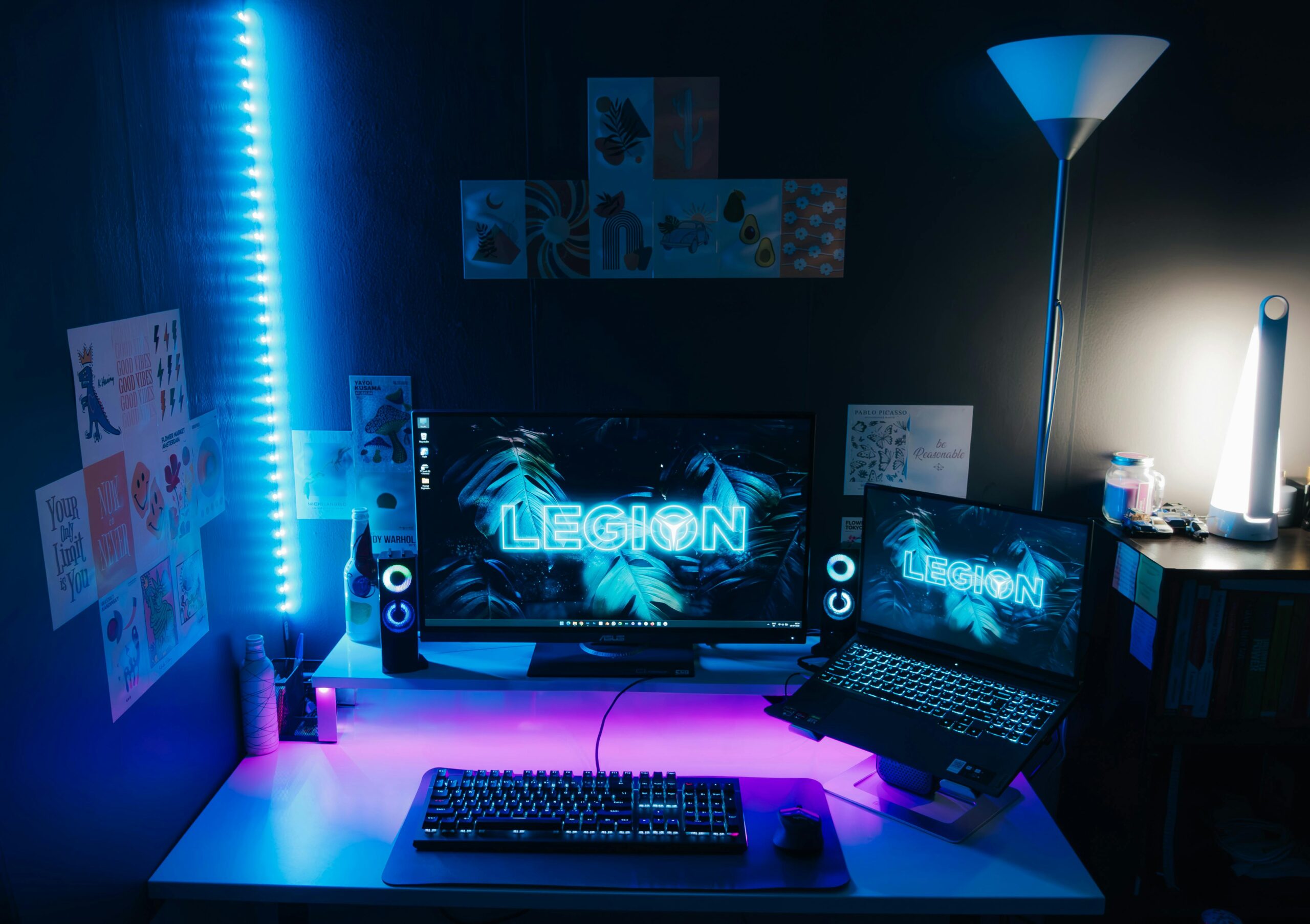
Lighting seems simple—until your power bill arrives. Many homeowners now ask whether light strips can really cut energy costs compared to regular house lighting. Yes, light strips are often less expensive on your power bill than regular house lights, especially if they use LED technology.
LED light strips consume less electricity, produce less heat, and deliver efficient brightness, making them a cost-effective option for everyday and accent lighting.
How Light Strips Use Less Power
LED Technology Explained
Most light strips use LEDs. LEDs convert energy into light more efficiently than incandescent or halogen bulbs.
Key reasons they cost less to run:
- Lower wattage per foot
- Minimal heat loss
- Consistent brightness with less energy
This efficiency adds up over time.
Comparing Light Strips to Traditional House Lighting
Ceiling and Fixture Lighting
Standard ceiling lights often rely on higher-watt bulbs. These fixtures are designed to light entire rooms, which increases energy use.
In contrast, light strips focus light where you need it.
Targeted Lighting Advantage
Light strips work best for:
- Under cabinets
- Shelves and desks
- Accent walls
- Stairways
Targeted lighting means you don’t waste power lighting empty space.
Cost Breakdown: Light Strip vs House Lights
Power Consumption Example
- LED light strip: ~4–7 watts per meter
- Traditional bulb: 40–100 watts
Even when running longer, light strips often cost less per month.
Monthly Cost Impact
If you use light strips for accent or task lighting instead of turning on full room lights, your total energy use drops noticeably.
When Light Strip Save the Most Money
Long Daily Use
Light strips shine in areas where lights stay on for hours, like kitchens or home offices.
Decorative and Mood Lighting
They replace lamps or overhead lights for evening use, reducing energy demand.
Smart Controls
Many light strips support dimming and timers, cutting power use even further.
Pros & Cons of Using Light Strip
| Pros | Cons |
|---|---|
| Lower energy use | Not ideal for full-room lighting |
| Cheaper to run | Initial purchase cost |
| Long lifespan | Can vary in brightness |
| Flexible placement | Needs proper installation |
Real-World Examples
Kitchen Lighting
A homeowner replaces overhead lights with under-cabinet light strips during cooking hours. Monthly lighting costs drop.
Home Office
A desk setup uses light strips instead of ceiling lights. The space stays bright without high energy use.
Living Room Ambience
Light strips provide soft evening lighting, avoiding power-hungry lamps.
FAQs – People Also Ask
Do light strips really lower electricity bills?
Yes. Their low wattage and efficiency help reduce overall energy use.
Are LED light strips cheaper than LED bulbs?
They use similar LED technology, but light strips often consume less power because they’re smaller and more focused.
Can light strips replace ceiling lights?
Not fully. They work best as supplemental or task lighting.
How long do LED light strip last?
Most last 25,000 to 50,000 hours with proper use.
Do smart light strips save more energy?
Yes. Dimming, schedules, and motion controls reduce unnecessary usage.
Final Verdict
Light strip are a smart, energy-efficient option for reducing lighting costs. While they won’t fully replace house lighting, they significantly lower power usage when used strategically.
If your goal is a smaller power bill and flexible lighting, LED light strip are worth the switch.