

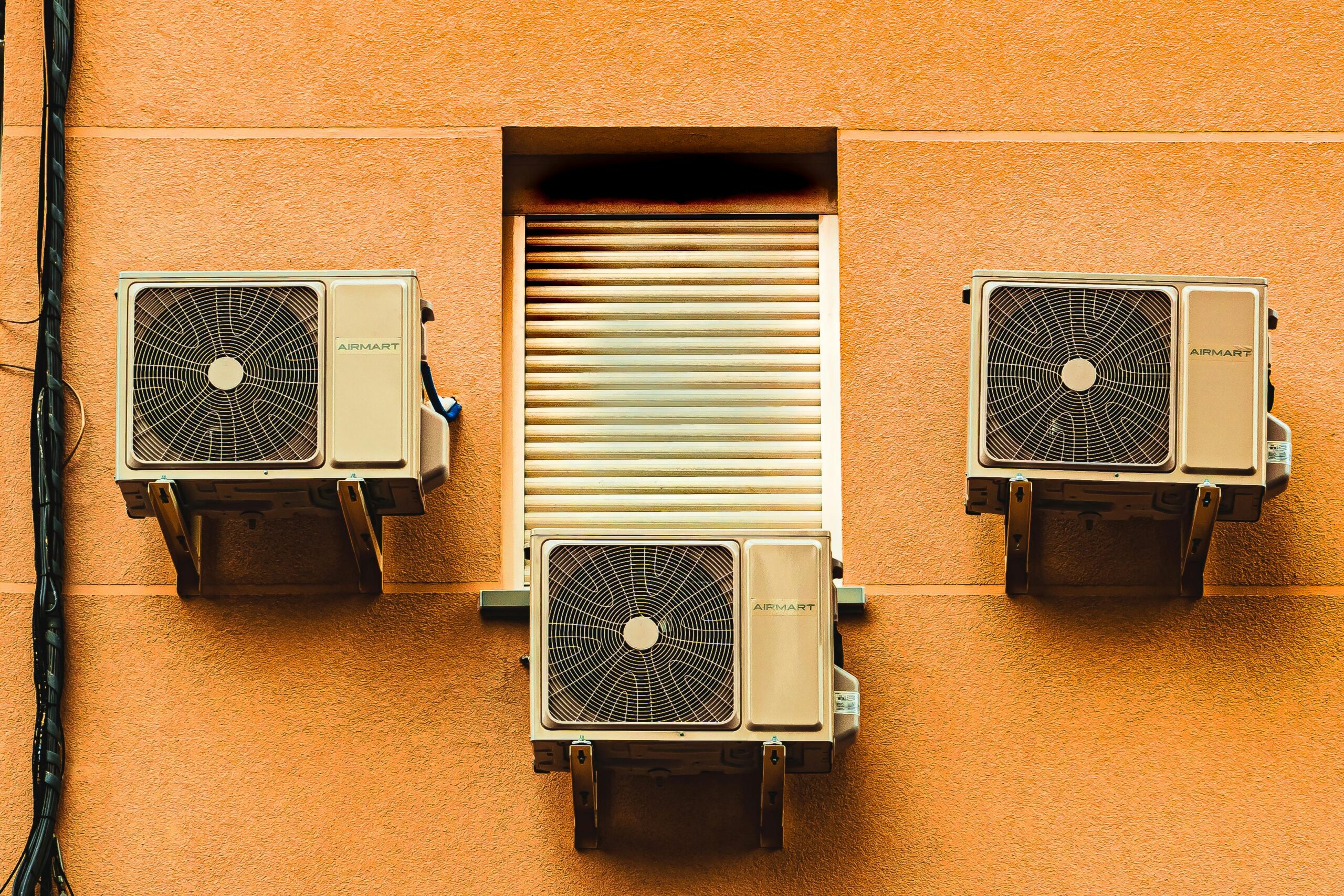
Buying an air conditioner is a long-term decision. The wrong choice can mean high electricity bills, weak cooling, constant repairs, and stress in peak summer. Avoid air conditioner brands that have poor reliability records, weak customer support, short warranties, and bad compressor performance. Instead of focusing only on price, check service availability, real customer feedback, and long-term durability before buying.
This guide explains which AC brands raise red flags, why they fail, and how to choose safely.
Why Some Air Conditioner Brands Should Be Avoided
Not every cheap AC is bad. But some brands cut corners to reduce costs.
Here’s what usually goes wrong:
1. Poor Compressor Quality
The compressor is the heart of the AC. Low-quality compressors fail early, make noise, and cool unevenly.
If replacement parts are hard to find, repairs become expensive.
2. Weak After-Sales Service
Even a good AC may need service. Brands with limited service centers or slow response times create major frustration.
Before buying, check:
- Service centers in your city
- Warranty terms
- Spare parts availability
3. Inflated Energy Ratings
Some lesser-known brands advertise high efficiency but fail in real-world usage. The result? Higher electricity bills than expected.
4. Cheap Internal Components
Low-cost coils, thin copper tubing, and poor insulation reduce lifespan.
You may save money upfront but spend more on repairs later.
AC Brands That Often Raise Concerns
Instead of naming random brands, let’s focus on patterns. Based on consumer complaints and technician feedback, the following types of brands are commonly avoided:
1. Unknown Local Brands with No Service Network
These brands are often cheaper but:
- Have no proper warranty system
- Use imported low-grade parts
- Disappear from the market quickly
2. Budget Lines from Big Brands
Even well-known companies sometimes launch low-cost series with reduced quality.
For example, premium brands like:
- LG
- Samsung
- Carrier
offer entry-level models. Some buyers report weaker durability in these lower-tier units compared to flagship models.
3. Brands with Consistent Cooling Complaints
Some budget-focused manufacturers receive frequent reviews about:
- Poor cooling in extreme heat
- Gas leakage within 1–2 years
- PCB board failures
Examples often mentioned in regional markets include:
- Voltas (specific lower-end models)
- Blue Star (entry-level units only)
Important: Not every model from these brands is bad. The issue usually lies in certain low-cost variants.
Pros & Cons of Buying Budget AC Brands
| Factor | Pros | Cons |
|---|---|---|
| Price | Lower upfront cost | Higher repair risk |
| Energy use | Some advertise inverter tech | Real consumption may be higher |
| Availability | Easy to find online | Service network may be weak |
| Lifespan | 3–5 years typical | Premium brands often last 8–12 years |
Budget ACs can work for rental properties or short-term use. But for long-term home use, they may cost more overall.
Real-World Examples
Example 1: Cheap Purchase, Expensive Repairs
A buyer chose a low-cost local brand to save money. Within two summers:
- Compressor failed
- Gas refilling required twice
- PCB replacement cost nearly half the AC price
In the end, replacing the entire unit was cheaper.
Example 2: Entry-Level Model from a Premium Brand
Another customer bought a basic inverter model from LG. Cooling worked fine initially.
However:
- Noise levels increased after 2 years
- Service visits were frequent
Upgrading to a mid-range model solved the issue.
How to Choose the Right AC Instead
Avoiding bad brands is easier when you follow this checklist:
✔ Check Warranty Details
Look for:
- 10-year compressor warranty
- At least 1-year full unit warranty
✔ Verify Service in Your City
Call the service center before buying.
✔ Read Real Reviews
Focus on long-term reviews (after 1–2 years of usage).
✔ Compare Energy Efficiency
Check official star ratings. Higher ratings mean lower bills.
✔ Ask Local Technicians
Technicians often know which models fail the most.
FAQs (People Also Ask)
Which AC brand has the most complaints?
Complaints usually target lesser-known brands with weak service networks. Even big brands can receive complaints for specific entry-level models.
Are cheaper AC brands always bad?
No. Some affordable models perform well. The risk increases when the brand lacks service support or quality control.
How long should a good AC last?
A good air conditioner typically lasts 8–12 years with proper maintenance.
Is inverter AC better than non-inverter?
Yes. Inverter ACs adjust speed based on cooling demand. They save energy and reduce wear on components.
What is the biggest problem in low-quality ACs?
Compressor failure and PCB board damage are the most common issues.
Final Verdict
Avoid air conditioner brands that:
- Have no service network
- Offer unclear warranty terms
- Use low-quality internal parts
- Show repeated cooling or compressor complaints
Do not buy an AC based only on price.
Focus on reliability, service support, and long-term value. Spending slightly more today can save you thousands in repairs and electricity bills over time.
A smart buyer checks performance history — not just discounts.