

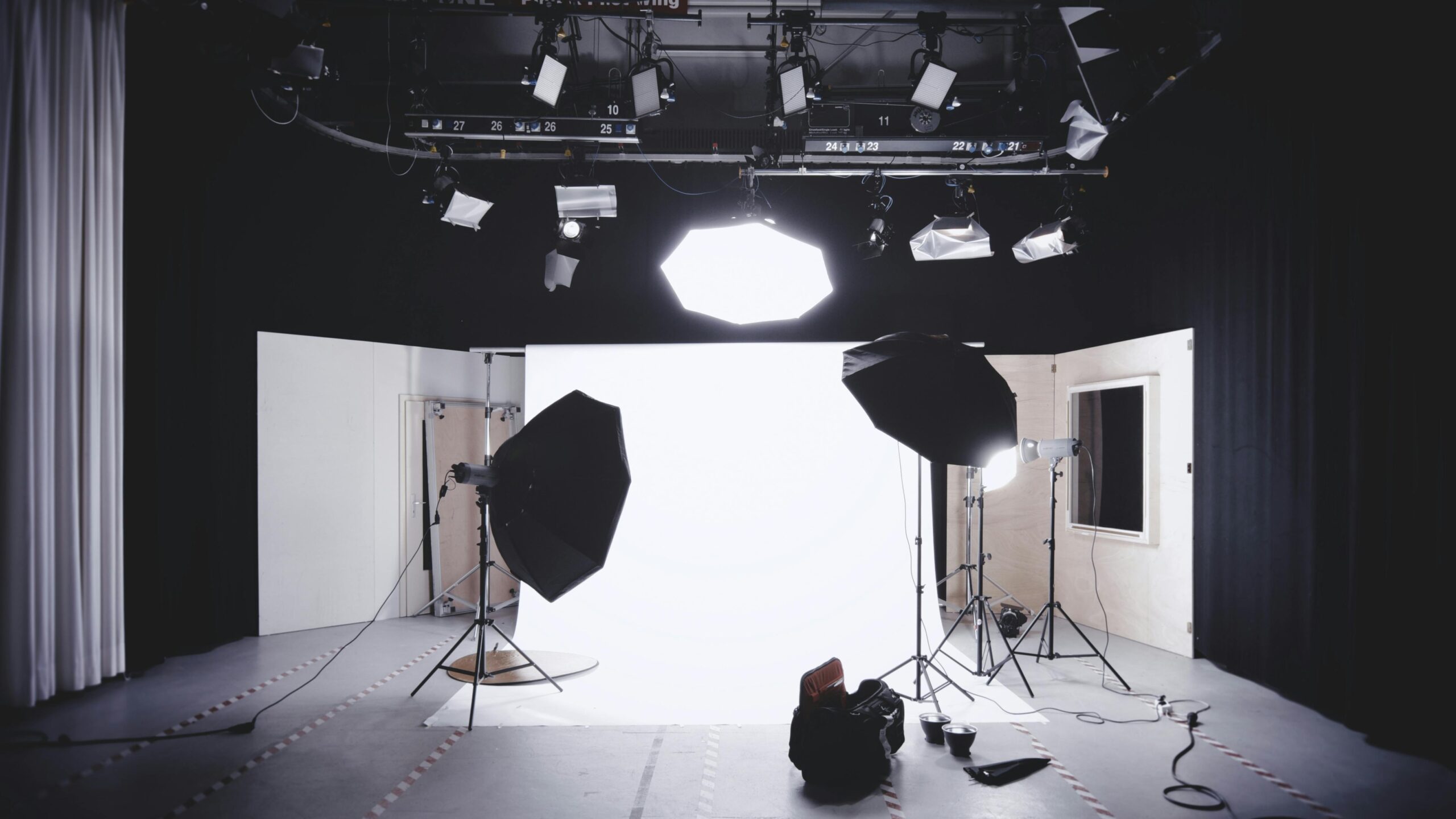
A practical, human-first guide to designing a garage studio that actually works
Turning your garage into a studio is no longer a niche idea. Whether you’re a musician, content creator, podcaster, or remote worker, the garage studio trend is growing fast — and for good reason. It’s affordable, flexible, and gives you a dedicated creative zone without moving house.
But here’s the truth: most garage studio projects fail because people jump straight into aesthetics and forget functionality.
This guide will help you design a garage studio space that looks great, sounds great, and works efficiently — while staying ahead of the trends shaping the upcoming year.
Why Garage Studios Are Booming
The shift toward home-based work and content creation has changed how people use their homes. Garages are often underused spaces, making them perfect for conversion.
Here’s why garage studios are exploding in popularity:
- Lower cost than renting external space
- Complete creative privacy
- Flexible for multiple uses
- Adds property value when done right
- Perfect for remote work and digital creation
In the coming year, expect garage studios to become smarter, more acoustic-focused, and more multi-purpose.
Step 1: Start With a Clear Studio Purpose
Before buying anything, define what your garage studio is for. This single decision shapes everything else.
Ask yourself:
- Is this a music recording studio?
- A YouTube or podcast studio?
- An art or design workspace?
- A hybrid creative office?
Why this matters
A musician needs acoustic treatment.
A video creator needs lighting control.
An artist needs ventilation and storage.
One of the biggest mistakes is trying to design for everything at once.
👉 Pro tip: Choose a primary purpose first. You can layer flexibility later.
Step 2: Fix Insulation Before Anything Else
If your garage isn’t insulated, stop and fix this first.
Temperature swings and outside noise will ruin your studio experience faster than anything else.
Key insulation areas
- Garage door
- Walls
- Ceiling
- Floor (often ignored)
Best insulation options
Budget-friendly
- Fiberglass batts
- Foam board panels
Mid-range
- Mineral wool (great for sound + heat)
- Spray foam (excellent but pricier)
Upcoming trend
In the next year, more creators are choosing dual-purpose insulation that handles both temperature and sound control.
Step 3: Plan Your Acoustic Treatment (Not Just Soundproofing)
Many people confuse these two terms.
- Soundproofing stops sound from leaving the room
- Acoustic treatment improves sound quality inside
Most garage studios need acoustic treatment first.
Essential acoustic elements
1. Acoustic panels
Place them on:
- Side walls
- Behind the microphone
- First reflection points

2. Bass traps
Garages often have boxy low-end problems.
Install bass traps in:
- Corners
- Ceiling corners if possible
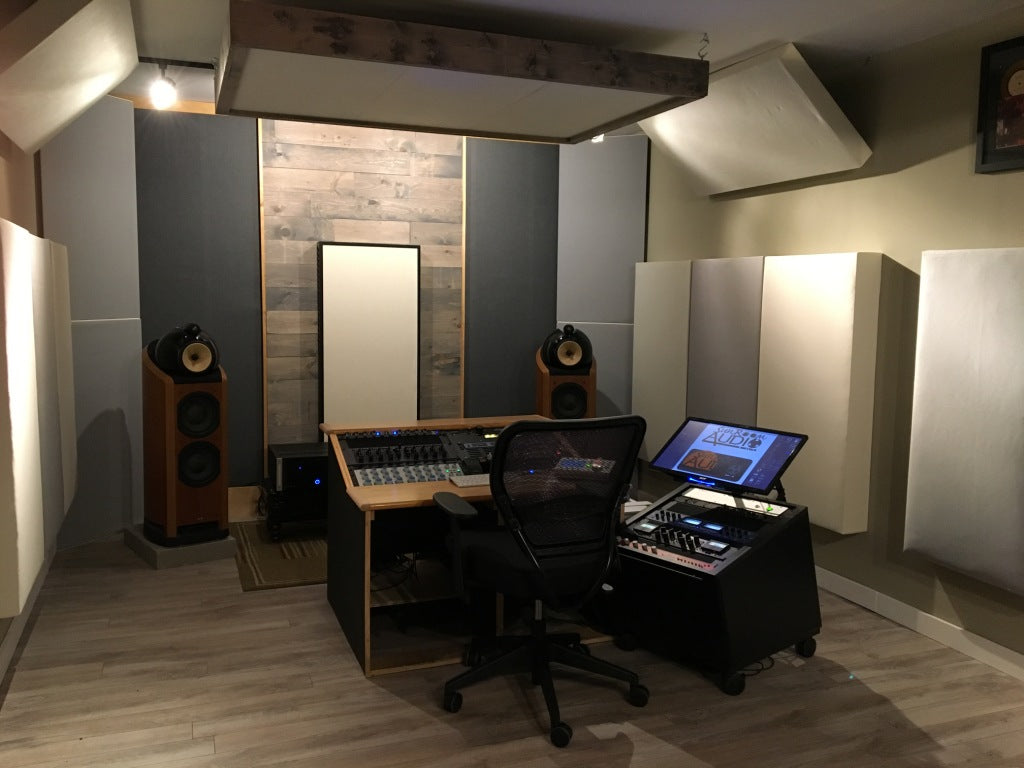
3. Diffusers (advanced but powerful)
Diffusers help keep the room lively without echo.
This is becoming a major trend for 2026 studio builds, especially among serious creators.
Step 4: Upgrade the Garage Door (Huge Impact)
Your garage door is usually the weakest point.
If you skip this step, you’ll fight:
- Noise leakage
- Heat loss
- Dust infiltration
Your options
A: Seal and insulate (budget)
Good for beginners.
B: Replace with insulated door (best balance)
Recommended for most people.
C: Build a false wall (pro-level)
Best for serious recording studios.
Upcoming trend
More creators are installing removable insulated door plugs — cheap, effective, and renter-friendly.
Step 5: Design Smart Lighting for Your Studio Type
Lighting can make or break your garage studio.
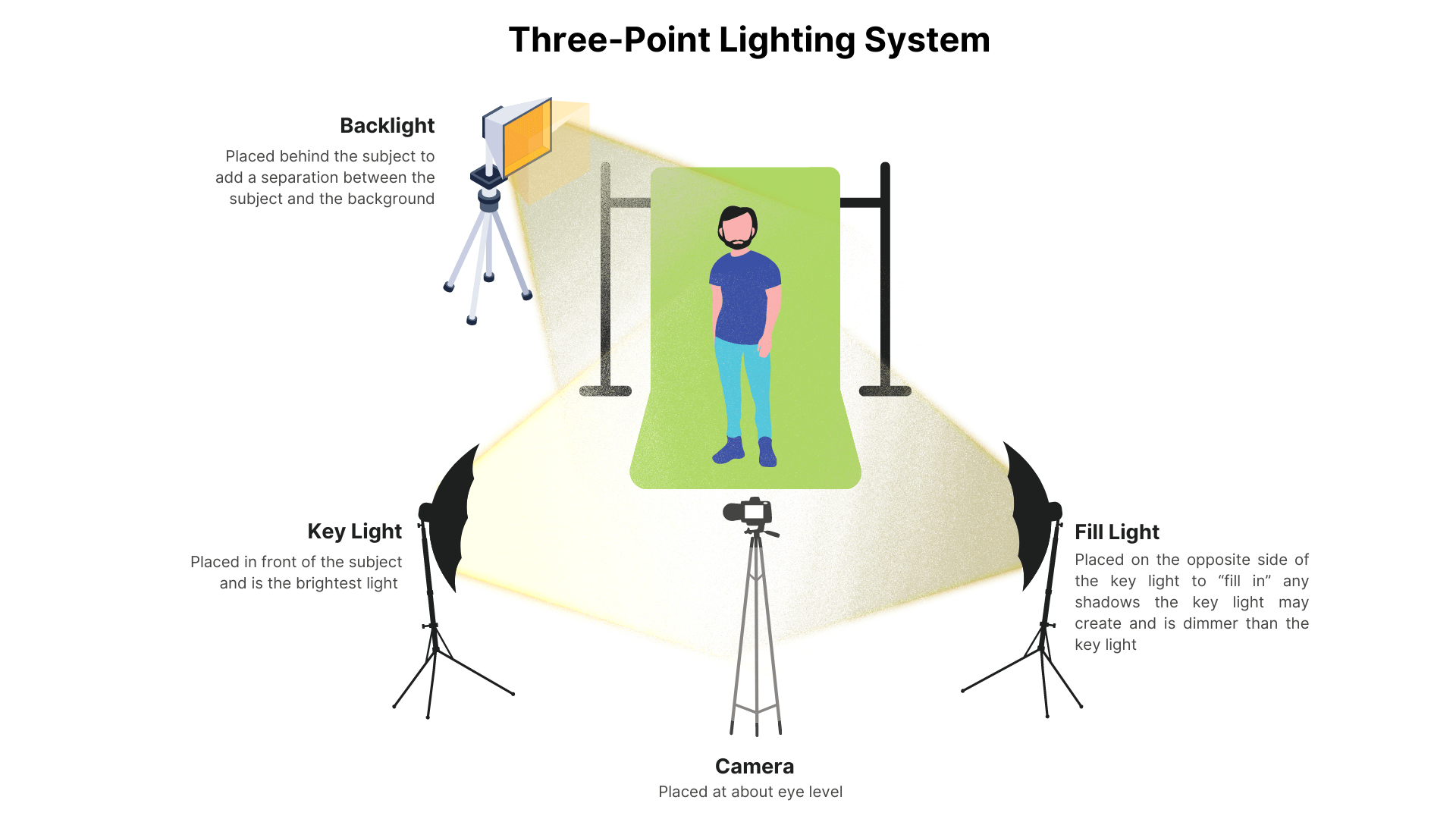
For video creators
Focus on:
- Soft key light
- Fill light
- Backlight
For music producers
Prioritize:
- Indirect ambient lighting
- Monitor-friendly desk lighting
- RGB mood accents (optional but popular)
For artists/designers
You need:
- High CRI white lighting
- Shadow-free workspace
- Adjustable task lamps
Big trend for the upcoming year
Smart lighting scenes controlled by phone or voice are becoming standard in modern garage studios.
Step 6: Build an Efficient Studio Layout
A beautiful studio that’s uncomfortable to work in will quickly become unused.
Follow the “work triangle” rule
Keep your main tools within easy reach:
- Desk
- Equipment rack
- Storage
Common layout mistakes
- Desk pushed flat against wall
- Speakers in corners
- No walking space
- Overcrowded shelves
Recommended starting layout
- Desk facing the short wall
- Speakers at ear level
- Clear center floor space
- Storage on side walls
This layout works for most garage sizes.
Step 7: Control Power and Cable Management
Garage power setups are often messy.
Clean power equals:
- Less noise in recordings
- Safer equipment
- Cleaner look
Must-do upgrades
- Dedicated power strip with surge protection
- Cable trays or raceways
- Wall-mounted outlets if possible
- Label your cables (seriously — future you will thank you)
Upcoming trend
Hidden cable channels built into desk walls are becoming popular in high-end garage studios.
Step 8: Add Smart Storage Without Killing Space
Garages fill with clutter fast.
The goal is vertical, clean storage.
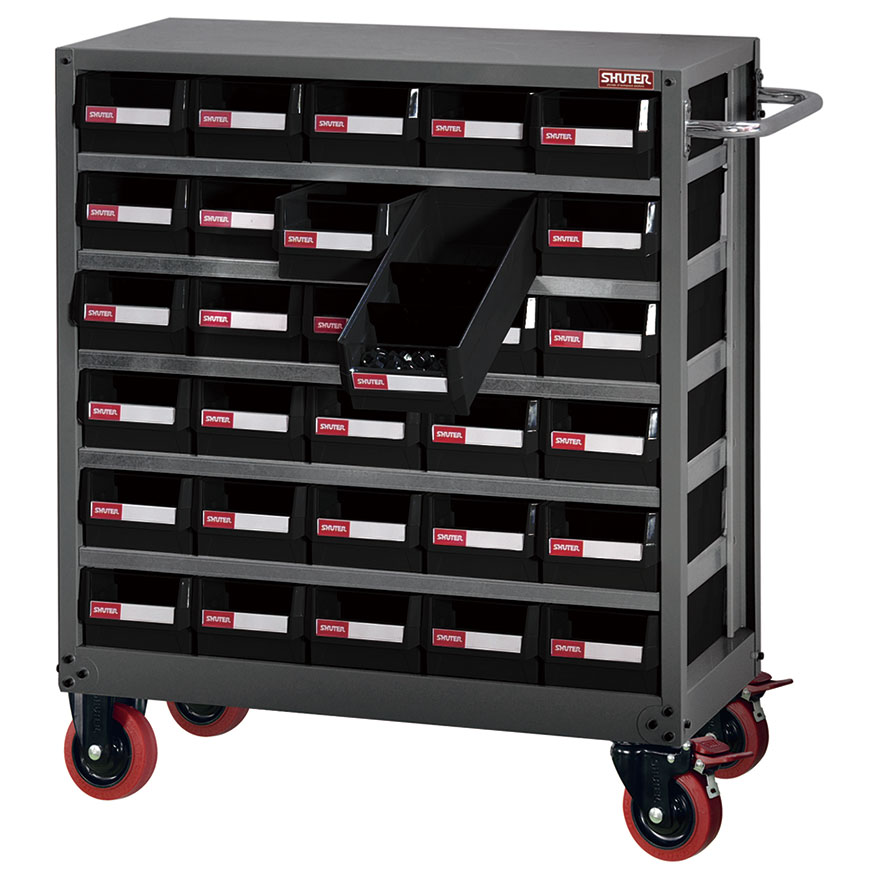
Best storage solutions
- Wall-mounted shelves
- Pegboards
- Rolling drawer units
- Under-desk racks
Storage trend for the coming year
Minimal, hidden storage is replacing open cluttered shelving.
Step 9: Think About Ventilation (Often Ignored)
Garages can become hot and stuffy — especially with equipment running.
Poor airflow leads to:
- Equipment overheating
- Uncomfortable sessions
- Humidity problems
Simple ventilation fixes
- Quiet exhaust fan
- Weather-sealed air vent
- Mini split AC (best long-term solution)
What’s trending
Whisper-quiet ventilation systems are becoming a must-have for serious creators.
Step 10: Future-Proof Your Garage Studio
If you’re building now, think ahead.
The most successful garage studios in the upcoming year will be:
- Modular
- Multi-use
- Tech-integrated
- Acoustically optimized
- Visually clean
Easy ways to future-proof
- Leave extra wall space
- Install more outlets than needed
- Use movable furniture
- Choose neutral base colors
- Run extra cable conduits
Garage Studio Design Trends for the Upcoming Year
Here’s what’s gaining serious momentum:
🔹 Hybrid creator studios
Spaces that support:
- Podcasting
- Video recording
- Live streaming
- Music production
Flexibility is king.
🔹 Clean, minimal aesthetics
Cluttered foam walls are fading.
The new look:
- Fabric-wrapped panels
- Wood slat treatments
- Hidden cables
- Neutral tones with accent lighting
🔹 Smart studio automation
More creators are using:
- Voice-controlled lighting
- Automated scenes
- Smart power management
- Remote monitoring
🔹 Small-space optimization
With rising housing costs, expect:
- More compact garage studios
- Foldable desks
- Wall-mounted gear
- Multi-purpose furniture
Budget Planning: What Most People Actually Spend
Realistic ranges:
- Basic DIY studio: $500–$1,500
- Mid-range creator studio: $1,500–$5,000
- High-end pro garage studio: $5,000–$15,000+
Start small. Upgrade in layers.
That’s how most successful creators build.
Final Thoughts
A great garage studio isn’t about copying Pinterest photos. It’s about building a space that supports your creative workflow every single day.
If you focus on:
- Proper insulation
- Smart acoustics
- Functional layout
- Clean power
- Future flexibility
…you’ll be far ahead of most garage conversions.
The upcoming year will reward creators who build intentional, multi-purpose, and acoustically smart spaces.
Start simple. Build smart. Upgrade over time.
[…] garage building cost calculator is an online or manual tool that estimates how much it will cost to build a garage based on factors like size, materials, location, and […]