

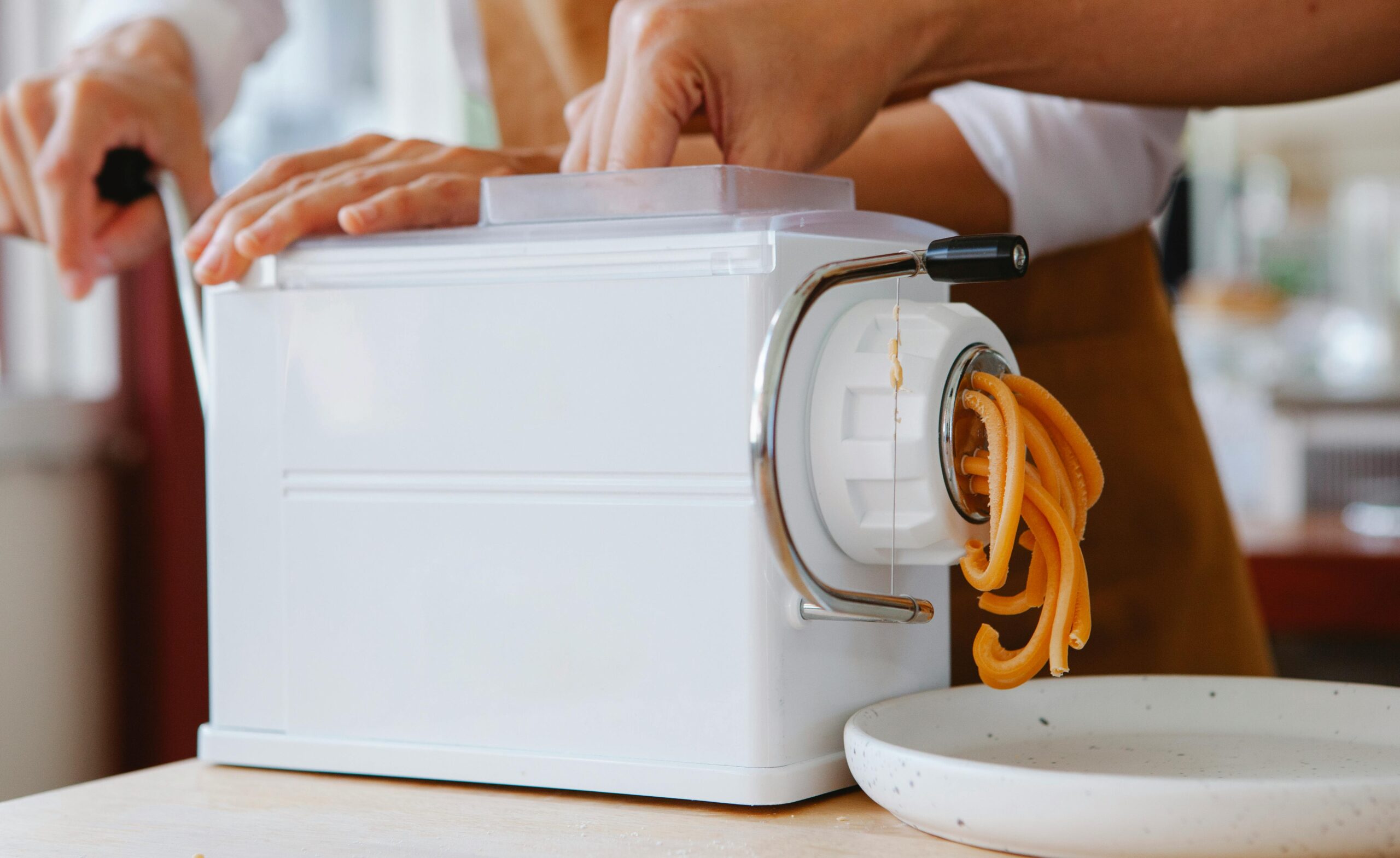
Homemade pasta has a taste you simply can’t fake. The texture is softer, the flavor is richer, and every bite feels intentional. But shaping filled pasta like tortellini by hand can be slow, messy, and inconsistent. That’s where a tortellinatrice comes in.
A tortellinatrice is a specialized pasta machine designed to shape, fill, and seal tortellini quickly and evenly. It helps home cooks, restaurants, and small food businesses produce professional-quality tortellini with less effort and far better consistency than hand-forming.
This guide explains what a tortellinatrice is, how it works, who should use one, and how to choose the right model. If you want perfect tortellini without frustration, you’re in the right place.
What Is a Tortellinatrice?
A tortellinatrice is a pasta-making machine specifically built to form tortellini. Unlike general pasta rollers or cutters, it focuses on one job: creating uniform, sealed, and well-shaped tortellini.
Most machines work by:
- Feeding rolled pasta sheets
- Adding filling in measured portions
- Folding and sealing the pasta
- Cutting each tortellino to the same size
The result is pasta that looks handmade but meets professional standards.
Why a Tortellinatrice Matters for Homemade Pasta
Making tortellini by hand takes skill and time. Even experienced cooks struggle with:
- Uneven filling
- Poor sealing
- Inconsistent sizes
- Slow production
A tortellinatrice solves these problems.
Key Benefits at a Glance
- Faster production
- Consistent shape and weight
- Better sealing (less filling leakage)
- Less hand fatigue
- Cleaner workflow
Whether you cook for family or customers, these advantages add up quickly.
How a Tortellinatrice Works (Step by Step)
Understanding the process helps you use the machine better and avoid mistakes.
1. Preparing the Pasta Dough
The dough should be smooth, elastic, and thinly rolled. Too thick and the machine struggles. Too wet and it sticks.
Best tip:
Use a classic egg pasta dough with enough resting time. Resting relaxes gluten and improves shaping.
2. Preparing the Filling
Fillings must be:
- Smooth
- Not watery
- Even in texture
Chunky or wet fillings can break seals or clog the machine.
3. Feeding the Machine
You feed pasta sheets into the tortellinatrice. The machine:
- Deposits filling
- Folds the pasta
- Presses edges together
- Cuts individual tortellini
4. Collecting Finished Tortellini
The finished pasta drops out ready for cooking, drying, or freezing.
Types of Tortellinatrice Machines
Not all tortellinatrici are the same. The right choice depends on how often and how much pasta you make.
Manual Tortellinatrice
Best for home cooks and small kitchens.
Features:
- Hand-cranked
- Compact size
- Lower cost
- Full control
Limitations:
- Slower output
- Requires steady hand movement
Electric Tortellinatrice
Ideal for restaurants and serious pasta lovers.
Features:
- Motor-driven
- Higher speed
- Consistent pressure
- Less physical effort
Limitations:
- Higher price
- Needs power supply
- Takes more space
Commercial Tortellinatrice
Designed for food businesses.
Features:
- High output
- Durable materials
- Precise portion control
- Continuous operation
Limitations:
- Expensive
- Large footprint
- Overkill for home use
Tortellinatrice vs Hand-Made Tortellini
| Feature | Tortellinatrice | Hand-Made |
|---|---|---|
| Speed | Very fast | Slow |
| Consistency | Excellent | Varies |
| Skill required | Low to medium | High |
| Appearance | Professional | Rustic |
| Physical effort | Low | High |
| Scalability | Easy | Difficult |
Bottom line:
Hand-making is romantic. A tortellinatrice is practical.
Who Should Use a Tortellinatrice?
Home Cooks
If you love Italian food and make tortellini more than a few times a year, this machine saves time and stress.
Restaurants
Consistency matters. Customers expect the same size, filling, and texture every time.
Small Pasta Businesses
A tortellinatrice allows small producers to scale without sacrificing quality.
Cooking Schools
It’s a teaching tool that demonstrates precision and efficiency.
How to Choose the Right Tortellinatrice
1. Production Volume
Ask yourself:
- How many tortellini do I need per batch?
- How often will I use it?
Light use favors manual models. Heavy use needs electric or commercial machines.
2. Build Quality
Look for:
- Stainless steel parts
- Solid rollers
- Smooth turning mechanisms
Cheap plastic parts wear out quickly and affect sealing quality.
3. Size and Storage
Measure your counter space. Some machines are surprisingly large.
If storage is tight, choose a compact or foldable design.
4. Ease of Cleaning
Pasta machines should come apart easily. Dried dough in tight corners becomes a hygiene problem.
5. Compatibility with Pasta Rollers
Some tortellinatrici attach to standard pasta rollers. This saves money and space.
Common Mistakes When Using a Tortellinatrice
Dough Too Thick
Thick dough won’t fold properly. Roll it thinner than you think.
Overfilling
More filling does not mean better pasta. Overfilled tortellini burst during cooking.
Wet Fillings
Moisture weakens seals. Drain ricotta and cooked vegetables well.
Rushing the Process
Feed the dough steadily. Speed causes misalignment and tearing.
Real-World Examples
Home Kitchen Scenario
A home cook making tortellini for a dinner party can produce 200 uniform pieces in under an hour. Hand-making would take twice as long and require far more effort.
Restaurant Scenario
A small Italian restaurant uses a tortellinatrice to prep pasta in the morning. Every plate looks identical, reducing waste and improving customer trust.
Small Business Scenario
A local pasta shop uses a semi-automatic tortellinatrice to produce fresh tortellini daily. Output increases without hiring extra staff.
Tortellinatrice Maintenance Tips
Proper care extends machine life.
- Clean immediately after use
- Never wash with excess water unless manufacturer allows it
- Use brushes for dried flour
- Oil metal parts lightly if recommended
- Store in a dry place
Regular maintenance keeps seals tight and rollers smooth.
Can a Tortellinatrice Make Other Pasta Shapes?
Some models can adapt to:
- Cappelletti
- Mezzelune
- Small ravioli
However, not all machines support multiple shapes. Always check before buying.
Is a Tortellinatrice Worth the Investment?
Short answer: Yes, if you value time, consistency, and quality.
It turns pasta making from a chore into a repeatable process. You focus on flavor instead of fighting dough.
Frequently Asked Questions (People Also Ask)
What dough works best in a tortellinatrice?
Egg-based pasta dough with medium hydration works best. It should be elastic but not sticky.
Can beginners use a tortellinatrice?
Yes. Most machines are beginner-friendly and easier than hand shaping.
How long does it take to make tortellini with a tortellinatrice?
Once prepared, a batch can take 30–60 minutes depending on volume and machine type.
Does tortellini made by machine taste different?
No. Taste depends on ingredients, not shaping method.
Can I freeze tortellini made with a tortellinatrice?
Yes. Freeze in a single layer first, then store in bags.
Tortellinatrice Pros and Cons
| Pros | Cons |
|---|---|
| Fast production | Initial cost |
| Uniform shape | Learning curve |
| Less effort | Needs space |
| Professional results | Cleaning required |
Final Verdict:
If perfect tortellini matters to you, a tortellinatrice is hard to beat.
It saves time and improves consistency.
It reduces frustration.
For home cooks, it turns pasta night into a pleasure and For professionals, it’s a reliability tool. For small businesses, it’s a growth enabler.
Bottom line:
A tortellinatrice doesn’t replace tradition. It supports it—by making great pasta possible every single time.
[…] is a data-driven real estate platform designed to connect people with accurate property insights. Instead of acting as a simple listing website, it focuses on […]