

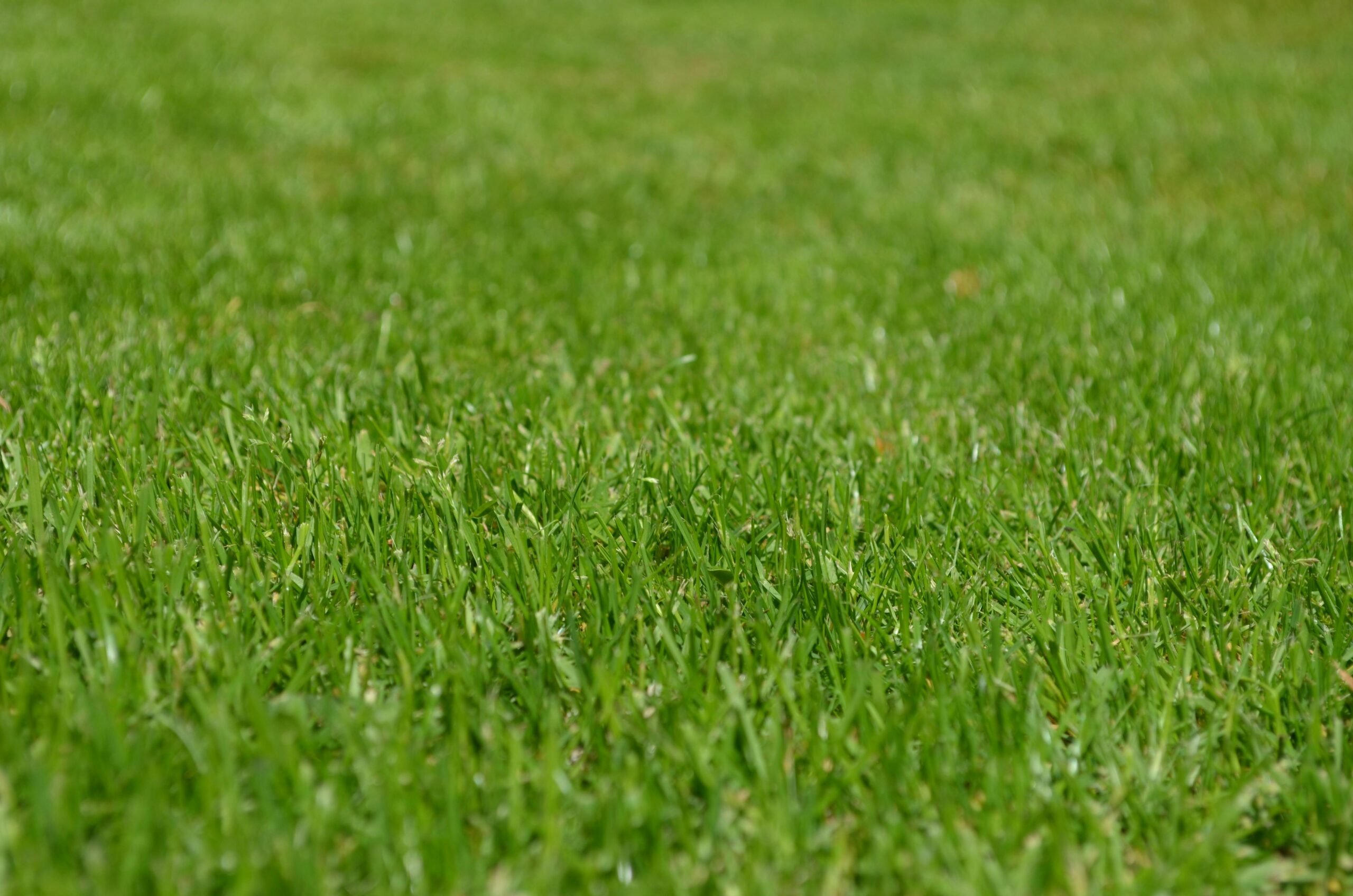
Crabgrass is one of the most common and frustrating weeds gardeners face. Many people pull it out every summer without really knowing what it is, why it keeps coming back, or how to stop it for good. If you’ve ever looked at your lawn or garden bed and wondered whether that fast-spreading grass is crabgrass, this guide is for you.
In this detailed article, you’ll learn what crabgrass looks like, how it grows, why it spreads so easily, and how to identify it at every stage of growth. We’ll also cover common mistakes gardeners make and practical tips to manage it effectively.
This guide is written in clear, simple language with expert insight—no fluff, no confusing terms, just useful information you can apply right away.
What Is Crabgrass?
Crabgrass is an annual grassy weed that thrives in warm weather. It appears in late spring or early summer and grows aggressively until fall. Once cold weather arrives, the plant dies—but not before dropping thousands of seeds that return the following year.
This cycle is what makes crabgrass so persistent. Even if you remove it now, new plants can appear next season if seeds remain in the soil.
Crabgrass commonly invades:
- Lawns
- Vegetable gardens
- Flower beds
- Driveway edges
- Cracks in sidewalks
It prefers weak, thin, or bare soil, especially areas that receive full sun.
What Does Crabgrass Look Like?
Early Growth Stage (Seedling)
Crabgrass is easiest to control when it’s young, but also hardest to recognize.
At the seedling stage, crabgrass looks like:
- Light green sprouts
- Thin blades emerging from one point
- Grass growing faster than surrounding turf
Unlike lawn grass, crabgrass seedlings grow outward, not upward. This spreading habit is an early warning sign.
Mature Crabgrass Appearance
Once crabgrass matures, its appearance becomes more obvious.
Key visual traits include:
- Wide, flat blades (wider than most lawn grasses)
- Bright or yellow-green color
- Low-growing, spreading shape
- Stems that radiate outward like crab legs
This “crab-like” growth pattern is where the weed gets its name.
Crabgrass grows close to the ground and forms thick mats that choke out nearby plants. In lawns, it creates uneven patches that look lighter and coarser than healthy turf.
Leaf Texture and Shape
Crabgrass leaves are:
- Flat and coarse
- Pointed at the tip
- Slightly hairy near the base (in many varieties)
If you run your fingers along the blade, it often feels rough compared to lawn grass.
Crabgrass Stems
The stems are another giveaway.
They are:
- Thick and sturdy
- Slightly flattened
- Often tinged with purple or red near the base
The stems grow outward and then curve upward, giving crabgrass its signature sprawled appearance.
Seed Heads
Crabgrass seed heads appear in mid to late summer.
They look like:
- Several thin spikes extending from one point
- Finger-like branches (usually 3–7)
- A rough, bristly texture
Each plant can produce thousands of seeds, which explains why crabgrass spreads so fast.
Where Does Crabgrass Grow Best?
Crabgrass is highly adaptable, but it thrives in specific conditions.
Ideal Growing Conditions
Crabgrass loves:
- Warm soil (above 55°F / 13°C)
- Full sun
- Compacted or poor soil
- Thin lawns or bare patches
If your lawn struggles in summer heat, crabgrass sees that as an open invitation.
Common Places You’ll Find Crabgrass
Crabgrass often appears in:
- Sunny lawn areas
- Garden edges
- Newly seeded lawns
- Along fences and walkways
- Cracks in pavement
It avoids dense, healthy grass because it can’t compete well in thick turf.
How Crabgrass Grows and Spreads
Understanding how It grows is key to stopping it.
Germination
Crabgrass seeds begin to germinate in late spring when soil warms up. This often happens around the same time spring flowers bloom.
Once conditions are right, seeds sprout quickly and grow faster than most lawn grasses.
Growth Cycle
It follows a simple but aggressive life cycle:
- Spring – Seeds germinate
- Early Summer – Rapid spreading growth
- Mid to Late Summer – Seed production
- Fall – Plant dies after first frost
The plant itself doesn’t survive winter, but its seeds do.
Seed Production
One mature It plant can release up to 150,000 seeds in a single season. These seeds can stay dormant in soil for years.
That’s why skipping control for even one summer can cause long-term problems.
Types of Crabgrass You May See
There are several types of It, but two are most common in home gardens.
Smooth Crabgrass
- Fewer hairs on leaves
- Grows flatter and lower
- Often appears earlier in the season
Hairy Crabgrass
- Noticeable hairs on leaves and stems
- Grows taller than smooth It
- Produces more seeds
Both types behave similarly and require the same control methods.
How to Tell Crabgrass Apart From Lawn Grass
Many gardeners confuse It with healthy turf, especially early in the season.
Here’s how to tell the difference.
Growth Pattern
- Crabgrass: Grows outward in a circle
- Lawn grass: Grows upright in clumps or blades
Color
- Crabgrass: Light or yellow-green
- Lawn grass: Dark green
Texture
- Crabgrass: Coarse and rough
- Lawn grass: Softer and finer
If a patch grows faster and spreads wider than the rest of your lawn, it’s likely crabgrass.
Why It Is a Problem in Gardens
It isn’t just unattractive—it’s harmful.
Competes for Resources
Crabgrass steals:
- Water
- Nutrients
- Sunlight
This weakens nearby plants and reduces lawn density.
Creates Bare Spots
When crabgrass dies in fall, it leaves bare soil behind. These open areas invite:
- More weeds
- Soil erosion
- Patchy lawns
Spreads Quickly
Because crabgrass produces so many seeds, a small problem can turn into a major infestation within one season.
Common Mistakes Gardeners Make With Crabgrass
Avoiding these mistakes can save you time and frustration.
Mowing Too Short
Short mowing weakens lawn grass and exposes soil. It loves this.
Tip: Keep grass slightly taller during summer.
Waiting Too Long to Remove It
Once It produces seed heads, damage is already done.
Early removal is critical.
Overwatering
Frequent shallow watering encourages shallow roots and favors weeds.
Water deeply but less often to support healthy turf.
Can Crabgrass Grow in Garden Beds?
Yes, It easily invades garden beds.
It grows around:
- Vegetables
- Flowers
- Shrubs
Bare soil and sunlight make garden beds a perfect target. Mulching is one of the best defenses here.
How Crabgrass Changes Throughout the Season
It doesn’t look the same all year.
Spring
- Thin, bright green sprouts
- Easy to pull
- Hard to identify
Summer
- Thick mats
- Wide leaves
- Visible spreading
Late Summer to Fall
- Seed heads form
- Plant becomes tougher
- Control becomes harder
Recognizing these stages helps you act at the right time.
Is It Ever Useful?
In most home gardens, crabgrass is unwanted. However, it does have minor benefits:
- Prevents soil erosion temporarily
- Provides cover for bare ground
That said, its aggressive nature makes it unsuitable for intentional planting.
Final Thoughts:
Crabgrass may look like just another grass at first, but its behavior tells a different story. Its low, spreading growth, wide blades, and fast expansion make it easy to identify once you know what to look for.
The most important takeaway is this:
Healthy lawns and well-maintained garden beds are the best defense against crabgrass.
By understanding what It is looks like and how it grows, you’re already one step ahead. Early identification gives you control—and prevents a small weed from becoming a yearly battle.