

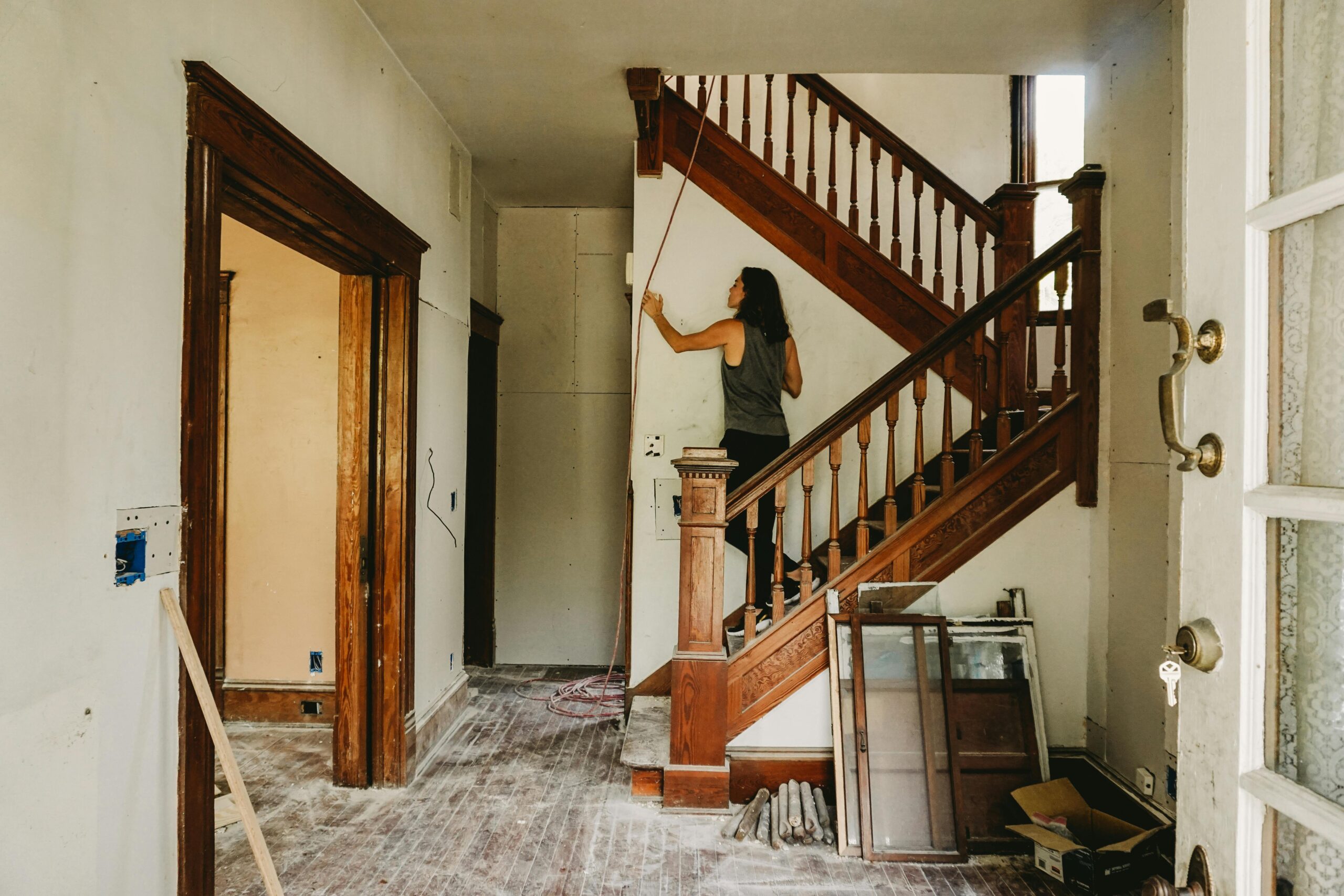
When planning to improve a house, people often hear two terms: home restoration and home renovation. Many homeowners use them as if they mean the same thing. In reality, they are quite different.
The short answer:
- Home restoration means bringing a house back to its original condition or historical state.
- Home renovation means upgrading or improving a space, often changing its design, layout, or features.
Understanding this difference matters. It affects your budget, timeline, permits, materials, and overall goals. Whether you own an older property, a historic house, or simply want to modernize your living space, knowing which approach fits your project will help you make better decisions.
This guide explains everything clearly—from definitions and examples to costs, pros and cons, and when to choose one over the other.
What Is Home Restoration?
Home restoration focuses on returning a house to its original design, materials, and appearance. The goal is not to modernize the home but to preserve its history and character.
This approach is most common with older houses and historic properties.
For example, if a home built in 1920 originally had hardwood floors, wooden window frames, and vintage moldings, restoration would involve repairing or recreating those exact features rather than replacing them with modern alternatives.
Key Characteristics of Restoration
- Preserves the original architecture
- Repairs historic materials
- Uses period-correct design elements
- Maintains the authentic character of the home
Restoration projects often require careful research to match the original construction style and materials.
Common Home Restoration Projects
Restoration projects usually focus on repairing and preserving existing features instead of replacing them.
1. Restoring Original Hardwood Floors
Old hardwood floors may look worn, scratched, or faded. Instead of installing new flooring, restoration involves:
- Sanding the wood
- Repairing damaged sections
- Refinishing the surface
This keeps the original craftsmanship intact.
2. Repairing Vintage Windows
Older homes often have wood-framed windows that add charm. Restoration may include:
- Fixing window frames
- Replacing broken glass
- Repainting original trim
3. Restoring Historic Moldings and Trim
Decorative moldings are common in historic homes. Restoration specialists repair cracks and missing pieces to maintain the original design.
4. Rebuilding Architectural Details
Some homes have unique features such as:
- Stair railings
- Wooden beams
- Fireplaces
- Ceiling medallions
Restoration keeps these elements as close to their original state as possible.
What Is Home Renovation?
Home renovation focuses on upgrading, improving, or changing the structure and design of a home. The goal is usually to make the house more modern, functional, or valuable.
Unlike restoration, renovation does not try to preserve the past. Instead, it allows homeowners to redesign spaces according to their needs and style.
Key Characteristics of Renovation
- Updates outdated features
- Improves layout and functionality
- Adds modern materials
- Increases property value
Renovation projects often involve new designs, new materials, and structural changes.
Common Home Renovation Projects
Renovations can range from small upgrades to full house transformations.
1. Kitchen Remodeling
Kitchen renovations are among the most popular projects. They often include:
- Installing new cabinets
- Adding modern appliances
- Replacing countertops
- Changing the kitchen layout
2. Bathroom Upgrades
A bathroom renovation might involve:
- New tiles
- Modern fixtures
- Walk-in showers
- Updated lighting
3. Open Floor Plans
Many homeowners remove interior walls to create larger, open spaces. This type of renovation improves natural light and flow between rooms.
4. Energy Efficiency Improvements
Renovations may also include upgrades like:
- Better insulation
- Energy-efficient windows
- Solar panels
- Smart home systems
Home Restoration vs Renovation: Key Differences
Although both improve a home, restoration and renovation serve different purposes.
| Feature | Restoration | Renovation |
|---|---|---|
| Main Goal | Preserve original condition | Upgrade or modernize |
| Design Approach | Keep historic style | Change or improve design |
| Materials | Period-accurate materials | Modern materials |
| Structural Changes | Minimal | Often significant |
| Best For | Historic or vintage homes | Outdated homes needing upgrades |
In simple terms, restoration looks backward, while renovation looks forward.
When Should You Choose Home Restoration?
Restoration is the best option when the historical value of the home matters.
Ideal Situations
1. Historic Properties
If your house is listed as a historic property, restoration may even be required by local regulations.
2. Preserving Architectural Character
Some homes have unique craftsmanship that cannot easily be recreated today. Restoration protects those details.
3. Maintaining Property Value in Historic Neighborhoods
In certain neighborhoods, restored homes attract buyers who appreciate historical authenticity.
When Should You Choose Renovation?
Renovation is usually the better choice if the goal is comfort, efficiency, or modern design.
Ideal Situations
1. Outdated Interiors
If your kitchen or bathroom feels old, renovation allows you to install modern features.
2. Improving Functionality
Renovation can change layouts, add storage, or create larger rooms.
3. Increasing Property Value
Many renovations offer strong returns on investment, especially kitchens and bathrooms.
Can a Project Include Both Restoration and Renovation?
Yes. Many home improvement projects combine restoration and renovation.
For example, a homeowner might:
- Restore original hardwood floors
- Restore historic windows
- Renovate the kitchen with modern appliances
This hybrid approach allows you to preserve character while adding modern comfort.
Cost Differences Between Restoration and Renovation
Costs vary widely depending on the home and project scope. However, restoration is often more expensive and time-consuming.
Why Restoration Costs More
- Specialized craftsmanship
- Rare or custom materials
- Extra labor for careful repairs
Renovation can also be costly, but modern materials are usually easier to find and install.
Typical Cost Ranges
| Project Type | Average Cost |
|---|---|
| Basic Restoration | $40 – $100 per sq ft |
| Full Historic Restoration | $100 – $300 per sq ft |
| Basic Renovation | $20 – $80 per sq ft |
| Major Renovation | $80 – $200 per sq ft |
These numbers vary based on location, materials, and labor costs.
Pros and Cons of Home Restoration
Pros
- Preserves historical character
- Maintains architectural integrity
- Can increase value in historic areas
- Keeps original craftsmanship alive
Cons
- Often more expensive
- Requires skilled specialists
- Takes longer to complete
- Materials can be difficult to find
Pros and Cons of Home Renovation
Pros
- Improves comfort and functionality
- Adds modern design features
- Often increases resale value
- Can improve energy efficiency
Cons
- May remove original charm
- Structural changes can increase costs
- Renovations may require permits
- Poor design choices can hurt resale value
Real-World Examples
1: Historic Victorian Home
A homeowner owns a Victorian house built in 1890.
They decide to:
- Restore wooden staircases
- Restore decorative ceiling trim
- Restore stained glass windows
The goal is to protect the home’s historic character.
2: Modern Suburban House
Another homeowner lives in a house built in 1995.
They decide to:
- Renovate the kitchen
- Renovate the bathroom
- Create an open floor plan
Their goal is modern living and better functionality.
Mistakes Homeowners Often Make
Understanding restoration vs renovation can prevent costly mistakes.
1. Removing Historic Features
Many homeowners remove original elements that could increase property value.
2. Mixing Styles Poorly
Combining historic elements with ultra-modern designs can look inconsistent.
3. Ignoring Local Regulations
Historic districts often have strict rules about what changes are allowed.
4. Underestimating Costs
Both restoration and renovation projects can become expensive if not planned properly.
Tips Before Starting Any Home Improvement Project
1. Define Your Goal
Ask yourself:
- Do I want to preserve history?
- Or modernize my home?
Your answer determines the project type.
2. Hire the Right Professionals
Restoration may require:
- Historic preservation specialists
- Skilled carpenters
- Custom craftsmen
Renovation projects often involve:
- Contractors
- Interior designers
- Architects
3. Set a Realistic Budget
Unexpected issues such as structural damage or outdated wiring can increase costs.
4. Check Local Building Codes
Permits and regulations vary depending on your city or region.
Frequently Asked Questions
Is restoration more expensive than renovation?
Often yes. Restoration can cost more because it requires special materials and skilled labor to recreate historic details.
Can you renovate a historic home?
Yes, but changes may be limited if the property is officially recognized as historic.
Does restoration increase home value?
In many cases, yes—especially in neighborhoods where historic homes are desirable.
Is renovation the same as remodeling?
Not exactly. Renovation means updating existing features, while remodeling usually means changing the structure or layout.
Which option is better?
Neither is universally better. The right choice depends on your home’s age, condition, and your personal goals.
Final Verdict
The difference between home restoration and renovation comes down to one key idea: preserving the past vs improving the present.
Restoration focuses on bringing a home back to its original state, protecting historical character and craftsmanship. Renovation, on the other hand, aims to upgrade and modernize living spaces for comfort and functionality.
Many homeowners benefit from combining both approaches—restoring unique features while renovating outdated areas.
Before starting any project, take time to evaluate your home, your budget, and your long-term goals. The right choice will help you create a space that is both beautiful and practical for years to come.
[…] dining furniture comes in several styles. Choosing the right one depends on your space and design […]