

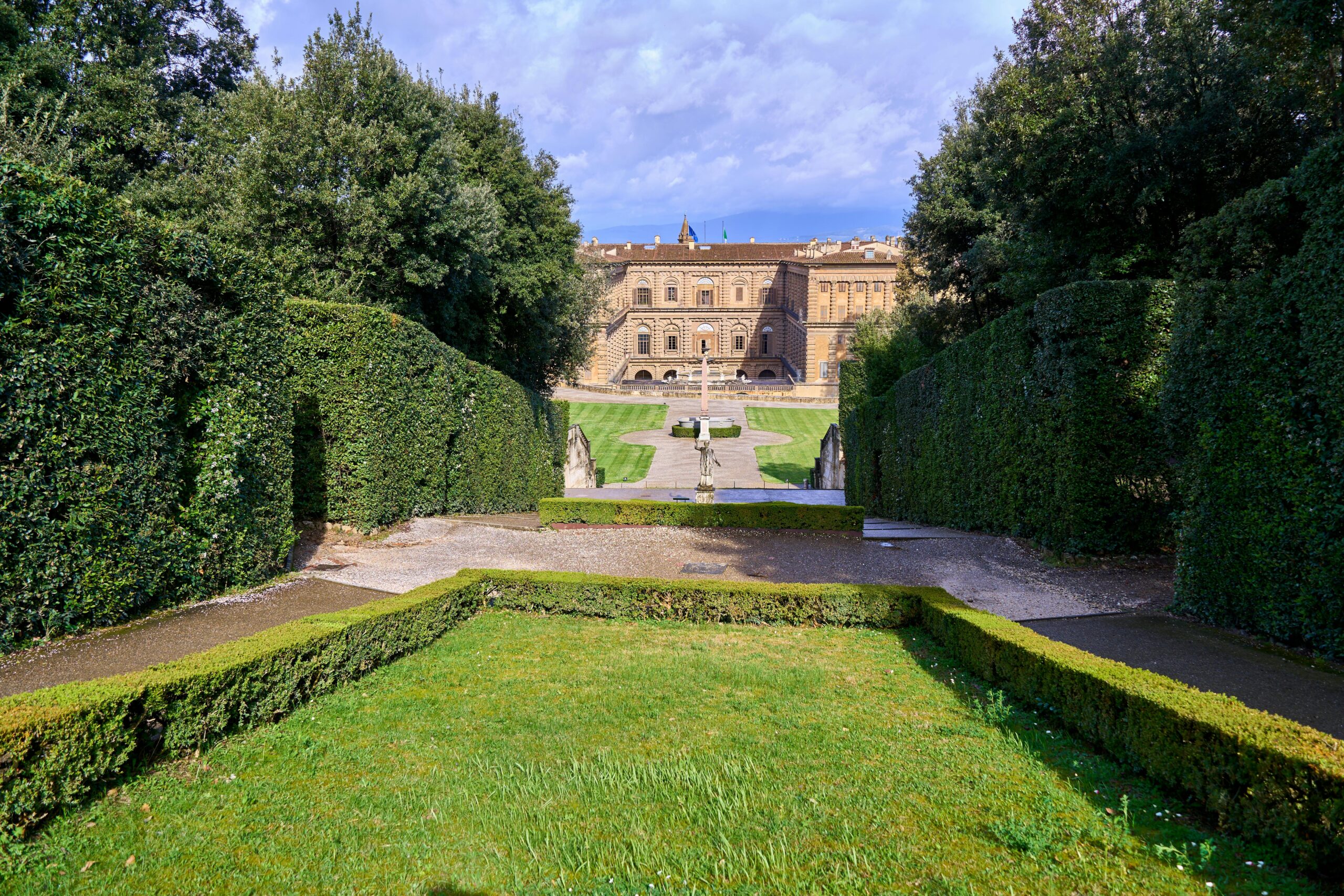
A backyard bocce ball court can turn an empty outdoor space into a relaxing place for games, gatherings, and family fun. The good news is that building one is easier than most homeowners think. With the right materials, careful planning, and a few simple tools, you can create a durable bocce court that lasts for years.
This guide explains exactly how to build a bocce ball court in your backyard. You’ll learn about court dimensions, materials, construction steps, maintenance tips, and cost considerations.
What Is a Bocce Ball Court?
A bocce ball court is a long, narrow playing surface designed for the traditional Italian lawn game called bocce. The court has raised sideboards and a smooth surface that allows the balls to roll evenly.
Professional courts use a compact base layer topped with crushed stone or oyster shell. Backyard courts often use similar materials but with simpler construction.
A well-built court provides three things:
- A level surface
- Proper drainage
- Strong borders to keep balls inside the court
Without these elements, the game becomes uneven and frustrating.
Standard Bocce Ball Court Dimensions
Official bocce courts follow strict measurements, but backyard courts can be smaller depending on available space.
Official Court Size
- Length: 91 feet (27.7 m)
- Width: 13 feet (4 m)
Common Backyard Court Sizes
Most homeowners choose a smaller version that still allows comfortable play.
| Type | Length | Width |
|---|---|---|
| Full-size court | 91 ft | 13 ft |
| Backyard court | 60 ft | 12 ft |
| Compact court | 40–50 ft | 10–12 ft |
If your backyard is limited, even a 30–40 ft court can work for casual play.
Best Location for a Bocce Court
Choosing the right location is one of the most important steps.
Look for a space that is:
- Flat or slightly level
- Away from large tree roots
- Well drained
- Not too close to fences or walls
Avoid These Areas
- Sloped yards with heavy runoff
- Areas where water pools after rain
- Soft soil that shifts easily
A good location reduces construction work and keeps the court stable over time.
Materials Needed to Build a Bocce Ball Court
Before starting construction, gather the main materials.
Base Materials
- Crushed stone or gravel
- Decomposed granite or crushed oyster shell
- Sand for leveling
Structure Materials
- Pressure-treated lumber (2×6 or 2×8 boards)
- Wooden stakes
- Landscape fabric
- Nails or exterior screws
Optional Additions
- Artificial turf surface
- Scoreboard
- Lighting
- Benches or seating
These materials are widely available at hardware stores and landscaping suppliers.
Tools You Will Need
Basic tools are enough for most backyard bocce court projects.
Essential tools include:
- Shovel
- Wheelbarrow
- Tape measure
- Level
- String line
- Tamper or plate compactor
- Drill or hammer
If the soil is hard, renting a plate compactor will make the job easier and faster.
Step-by-Step Guide to Building a Bocce Ball Court
Follow these steps carefully to build a stable and long-lasting court.
Step 1: Measure and Mark the Court Area
Start by measuring the space.
Use stakes and string to outline the court shape.
Make sure the lines are:
- Straight
- Parallel
- Accurate in length and width
Double-check measurements before digging.
This step prevents costly mistakes later.
Step 2: Excavate the Ground
Next, dig out the court area.
Typical excavation depth is 8 to 12 inches.
Remove:
- Grass
- Roots
- Loose soil
- Rocks
The bottom should be relatively flat but does not need to be perfectly smooth yet.
Proper excavation creates space for the base layers.
Step 3: Install Drainage Layer
Drainage keeps water from collecting on the court.
Add 3–4 inches of crushed gravel to the bottom of the excavation.
Spread it evenly across the entire area.
Then compact it using a hand tamper or plate compactor.
This layer allows rainwater to flow away instead of pooling on the playing surface.
Step 4: Install Landscape Fabric
Lay landscape fabric over the gravel layer.
This fabric prevents weeds from growing through the court.
It also helps keep the surface materials from mixing with the base gravel.
Overlap sections of fabric slightly for full coverage.
Step 5: Build the Court Frame
The frame forms the court boundaries.
Use pressure-treated lumber to build sideboards along the edges.
Most courts use 2×6 or 2×8 boards.
Frame Installation Tips
- Secure boards with wooden stakes every 3–4 feet
- Ensure boards are level
- Corners should be square
The frame keeps the surface material contained and provides a solid playing edge.
Step 6: Add the Base Layer
Next comes the structural base layer.
Add 3–4 inches of crushed limestone or decomposed granite.
Spread it evenly and compact thoroughly.
Compaction is critical.
Without proper compaction, the surface may shift or develop uneven spots.
Use a plate compactor if possible for best results.
Step 7: Install the Playing Surface
The top layer is the actual playing surface.
Common options include:
1. Crushed Oyster Shell
Traditional and popular.
Pros:
- Excellent ball control
- Smooth rolling surface
Cons:
- May need refilling over time
2. Decomposed Granite
Affordable and durable.
Pros:
- Easy to level
- Good drainage
Cons:
- Slightly harder surface
3. Artificial Turf
Modern alternative.
Pros:
- Low maintenance
- Clean appearance
Cons:
- Higher cost
Spread 1–2 inches of your chosen material and level it carefully.
Then compact lightly.
Step 8: Level and Smooth the Court
Use a long board or screed to level the surface.
Remove bumps and low spots.
The goal is a flat but slightly firm surface.
A well-leveled court ensures consistent ball roll during games.
Step 9: Add Finishing Features
Once the court surface is ready, you can add extra features.
Popular additions include:
- Court lighting for evening games
- Scoreboards for tournaments
- Seating areas for spectators
- Landscaping around the court
These upgrades improve both function and appearance.
Cost of Building a Backyard Bocce Ball Court
Costs vary depending on size, materials, and labor.
Here is a rough estimate for DIY construction.
| Item | Estimated Cost |
|---|---|
| Gravel and base materials | $200 – $500 |
| Lumber frame | $150 – $400 |
| Surface material | $200 – $600 |
| Tools or rentals | $50 – $200 |
Total DIY Cost
Most backyard courts cost $600 to $1,700 to build yourself.
Professional installations can cost $4,000 to $15,000 depending on features
Maintenance Tips for Bocce Courts
Even a well-built court needs occasional maintenance.
Follow these simple tips.
1. Rake the Surface
Use a rake to smooth the surface before games.
This prevents uneven ball movement.
2. Refill Surface Material
Top layers may thin out over time.
Add fresh material once or twice a year.
3. Control Weeds
Landscape fabric helps, but occasional weeds may appear.
Remove them early to prevent spreading.
4. Improve Drainage
If water collects after rain, add more gravel along the edges.
Good drainage extends the life of your court.
Pros and Cons of Building a Bocce Ball Court
| Pros | Cons |
|---|---|
| Fun for all ages | Requires backyard space |
| Adds entertainment value | Needs occasional maintenance |
| Affordable DIY project | Initial construction effort |
| Great for gatherings | Surface may need refilling |
For most homeowners, the benefits easily outweigh the downsides.
Backyard Bocce Court Design Ideas
A bocce court can also enhance your landscape.
Here are a few creative ideas.
Rustic Garden Court
Surround the court with:
- stone paths
- small trees
- outdoor lights
This creates a relaxed Mediterranean feel.
Modern Backyard Court
Use:
- artificial turf surface
- clean wooden borders
- minimal landscaping
Perfect for modern homes.
Entertainment Area Court
Combine the court with:
- outdoor seating
- BBQ area
- patio lighting
This setup works great for parties and gatherings.
Common Mistakes to Avoid
Many DIY builders make a few common mistakes.
Avoid these problems to build a better court.
Poor Drainage
Without proper drainage, the court becomes muddy after rain.
Always include a gravel base layer.
Uneven Base
If the base is not compacted, the court will shift.
Use a compactor and level carefully.
Weak Borders
Thin or poorly secured boards can move.
Use strong pressure-treated lumber and stakes.
Too Small Court Size
A court shorter than 30 ft may feel cramped.
Try to build at least 40–60 ft if space allows.
FAQs About Building a Bocce Ball Court
How much space do you need for a bocce ball court?
Ideally, you need 60–90 feet in length and about 12 feet in width. Smaller courts can still work for casual play.
What is the best surface for a bocce court?
Crushed oyster shell and decomposed granite are the most common surfaces. Both provide smooth ball roll and good drainage.
Can you build a bocce court on grass?
Grass courts are possible but not recommended. The surface becomes uneven and inconsistent over time.
Do bocce courts need sideboards?
Yes. Sideboards keep balls inside the court and allow bank shots during play.
How long does it take to build a bocce court?
Most DIY projects take 1–3 days, depending on court size and soil conditions.
Final Thoughts
Building a bocce ball court in your backyard is a rewarding project that adds both entertainment and value to your outdoor space.
The process is straightforward:
- Choose a flat location
- Excavate the area
- Install a gravel drainage base
- Build strong sideboards
- Add a compacted playing surface
With proper planning and careful construction, your bocce court can last for many years.
More importantly, it becomes a place where family and friends gather, compete, and enjoy the outdoors.
If you have the space in your yard, a bocce ball court is one of the most enjoyable and affordable backyard upgrades you can build.
[…] fabric is a textile made from the fibers of the flax plant (Linum usitatissimum). These fibers are extracted from the plant’s stalks, processed, and then spun into yarn to create […]