

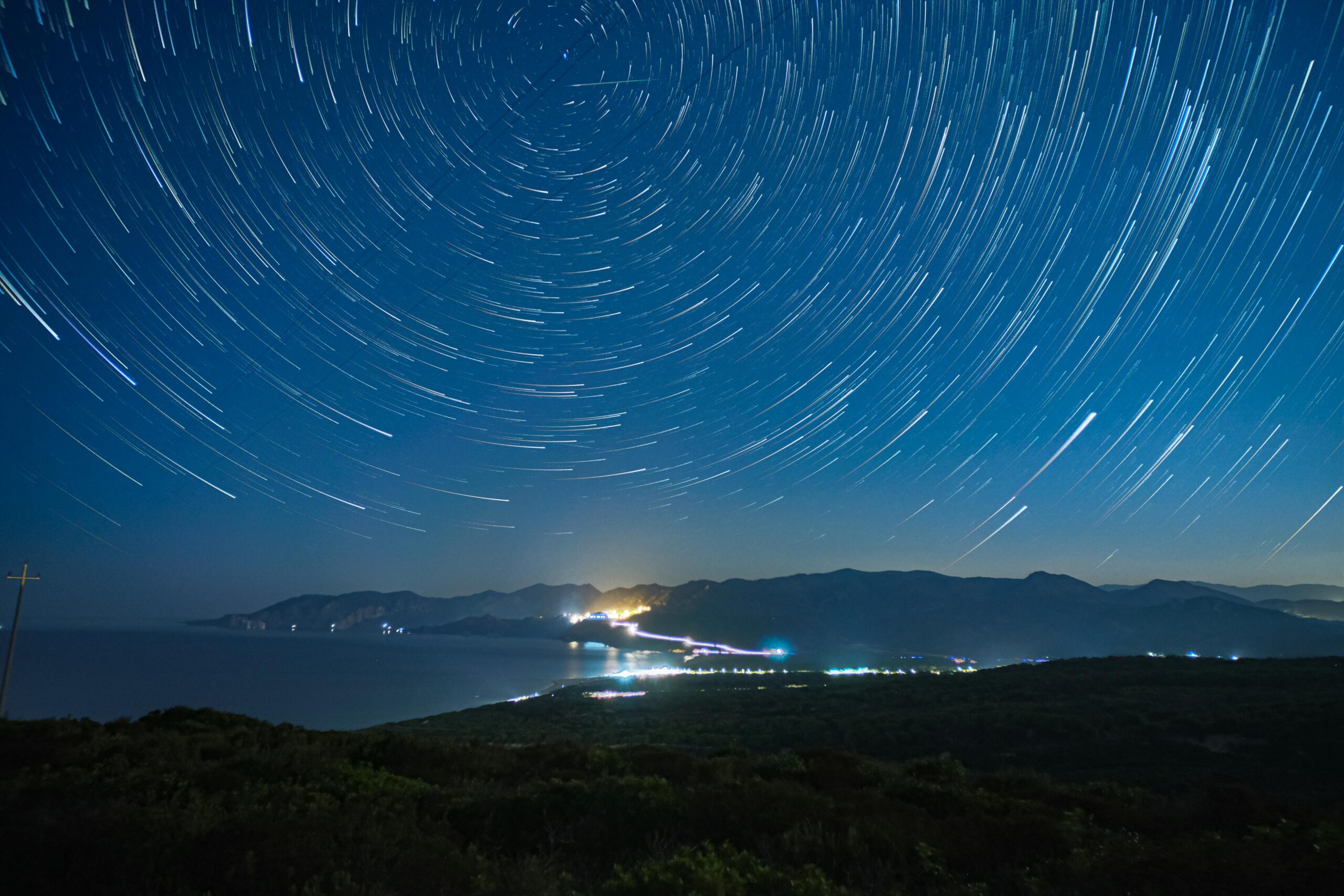
Interior design is no longer limited to furniture, paint colors, and wall art. Today, lighting plays a central role in shaping the atmosphere of a room. One of the most striking and luxurious lighting trends gaining popularity is the starlight headliner with shooting stars. Originally inspired by luxury car interiors, this lighting style has now made its way into homes, home theaters, gaming rooms, bedrooms, and even commercial spaces.
A starlight headliner recreates the look of a glowing night sky filled with tiny stars. When the “shooting star” feature is added, the effect becomes even more magical. Small light trails move across the ceiling, creating the illusion of falling stars.
This guide will walk you through everything you need to know about starlight headliners. You will learn how they work, where they look best, how to install them, and how to choose the right design for your space.
What Is a Starlight Headliner?
A starlight headliner is a decorative ceiling design that uses tiny fiber-optic lights to mimic the appearance of stars in the night sky. The lights are embedded into a panel or ceiling surface, creating hundreds or even thousands of small glowing points.
Unlike traditional lighting fixtures, these lights are subtle and atmospheric. They are designed to create mood and ambience rather than bright illumination.
Key features include
- Hundreds of tiny star-like lights
- Adjustable brightness levels
- Optional color changes
- Shooting star animations
- Remote or smart control options
The result is a ceiling that looks alive with twinkling stars.
What Makes Shooting Stars Special?
While a basic starlight ceiling looks impressive on its own, adding shooting stars takes the design to the next level.
Shooting stars are created by grouping fiber-optic strands in a sequence. The lights activate one after another, forming a streak that moves across the ceiling.
This motion effect creates the illusion of a meteor flying through the night sky.
Benefits of shooting star effects
- Adds movement and visual interest
- Creates a cinematic atmosphere
- Enhances relaxation and mood
- Makes the space feel immersive
For many homeowners and designers, shooting stars are the feature that transforms a beautiful ceiling into a truly memorable one.
Where Starlight Headliners Work Best
Starlight ceilings can work in many environments. However, some spaces benefit more from the effect than others.
Bedrooms
Bedrooms are one of the most popular places for starlight headliners. The soft lighting creates a calm and peaceful environment that is perfect for winding down.
A starry ceiling above the bed can feel like sleeping under the open sky.
Home Theaters
Home theaters are another ideal location. The star ceiling recreates the feeling of watching a movie under a night sky.
This style also prevents glare because the lights are dim and evenly distributed.
Gaming Rooms
Gamers often use starlight headliners to create immersive environments. Combined with LED accent lighting, the ceiling becomes part of the overall gaming atmosphere.
Living Rooms
In modern living rooms, a starlight ceiling can become a stunning focal point. When combined with dimmable lighting, it creates a cozy space for relaxing or entertaining.
Spas and Wellness Rooms
The calming effect of a star ceiling makes it perfect for meditation rooms, spas, and wellness spaces.
How Starlight Headliners Work
Understanding the basic technology behind starlight ceilings helps you choose the right system.
Fiber Optic Lighting
Most starlight headliners rely on fiber-optic cables.
These cables carry light from a central light source (called an illuminator) to the ceiling. Each fiber tip glows like a tiny star.
Advantages of fiber optics include:
- No heat at the light point
- Very low energy use
- Long lifespan
- Safe for ceilings and fabrics
LED Light Engines
The light source is usually an LED illuminator. This device controls brightness, color, and effects.
Many modern systems include:
- Remote control
- Smartphone apps
- Music synchronization
- Color change modes
Shooting Star Modules
A shooting star effect requires a special module that controls a group of fibers in sequence. This creates the illusion of motion across the ceiling.
Types of Starlight Ceiling Designs
Not all starlight headliners look the same. Designers often customize them to match the space.
Random Star Patterns
This design mimics the natural randomness of the night sky. Star sizes vary and are scattered across the ceiling.
This style feels organic and realistic.
Constellation Layouts
Some installations replicate real constellations. This option is popular in children’s rooms and astronomy-themed spaces.
Dense Galaxy Style
A galaxy design uses a high concentration of stars, sometimes mixed with colored fibers to simulate nebula-like effects.
This style is dramatic and visually rich.
Minimal Star Fields
For a modern look, designers sometimes use fewer stars with wider spacing.
This approach keeps the ceiling elegant and subtle.
Materials Used in Starlight Headliners
The surface material plays a major role in the final look.
Fabric Panels
Fabric is commonly used for custom panels. The fiber optics pass through the fabric, creating a soft star glow.
Advantages include:
- Easy installation
- Lightweight panels
- Smooth appearance
Acoustic Panels
Acoustic materials are popular for home theaters because they improve sound quality while supporting star lighting.
Stretch Ceilings
Stretch ceilings are another premium option. A flexible membrane is installed across the ceiling, and fibers pass through it.
This creates a smooth and seamless finish.
Foam Boards or Panels
Some DIY installations use foam boards. The fibers pass through drilled holes, creating the star pattern.
Installation Process
Installing a starlight headliner requires planning and precision.
Step 1: Design the Star Layout
First, you decide how many stars you want and where they should go.
Some installations use 300 stars, while luxury systems may have over 1,000.
Step 2: Prepare the Ceiling Panel
A panel or ceiling board is prepared with small holes where each fiber will pass through.
Step 3: Insert Fiber Optic Strands
Each fiber is inserted through the hole until the tip is visible on the surface.
Step 4: Connect the Light Engine
All fibers run back to a central LED light engine.
This device powers the system and controls effects.
Step 5: Trim and Finish
The fiber ends are trimmed flush with the ceiling surface, creating clean star points.
How Many Stars Should You Install?
The number of stars affects the overall effect.
Here are some general guidelines.
| Room Size | Recommended Stars |
|---|---|
| Small room | 150–300 |
| Medium room | 300–600 |
| Large room | 600–1,200 |
More stars create a richer galaxy look, while fewer stars create a minimalist design.
Lighting Effects and Custom Features
Modern starlight systems offer many customization options.
Twinkling Stars
Some systems gently vary brightness to simulate natural star twinkling.
Color Changing Stars
RGB systems allow you to change star colors using a remote or smartphone.
Music Sync
Certain light engines react to music, causing stars to pulse with sound.
Adjustable Brightness
Dimming options allow you to shift from soft ambiance to brighter lighting.
Benefits of a Starlight Headliner
Installing a star ceiling provides more than visual appeal.
Creates a Relaxing Atmosphere
Soft lighting naturally promotes calm and relaxation.
Adds Luxury to the Space
A star ceiling immediately elevates the perceived value of a room.
Customizable Designs
Every installation can be unique, from star density to color effects.
Energy Efficient
Fiber-optic lighting uses very little electricity compared to traditional lighting.
Long Lifespan
LED light engines often last 30,000–50,000 hours.
DIY vs Professional Installation
Many homeowners wonder if they should install a starlight ceiling themselves.
DIY Installation
DIY kits are available and can be a good option for small rooms.
Pros:
- Lower cost
- Full control over design
- Good for hobbyists
Cons:
- Time consuming
- Requires careful planning
- Mistakes can be difficult to fix
Professional Installation
Professionals can create more complex designs and ensure a flawless finish.
Pros:
- Perfect star distribution
- Advanced lighting effects
- Faster installation
Cons:
- Higher cost
Maintenance and Care
Starlight ceilings require very little maintenance.
Basic maintenance tips
- Dust the ceiling gently if needed
- Keep the light engine ventilated
- Replace the LED illuminator if it eventually wears out
The fiber optics themselves usually last many years without replacement.
Cost of a Starlight Headliner
Prices vary widely depending on size and complexity.
Typical price ranges
DIY kits:
$150 – $600
Mid-range installations:
$800 – $2,500
Luxury custom ceilings:
$3,000 – $10,000+
Shooting star effects and advanced controls usually increase the price.
Design Tips for the Best Results
If you want your starlight ceiling to look stunning, keep these tips in mind.
Use Dark Ceiling Colors
Black, deep blue, or dark gray ceilings make stars appear brighter and more realistic.
Avoid Overcrowding
Too many stars can look artificial. Balance density with natural spacing.
Add Subtle Accent Lighting
Wall LEDs or hidden strip lighting can complement the star effect.
Consider the Viewing Angle
Design the star pattern based on where people will sit or lie down.
The Future of Starlight Ceiling Design
Lighting technology continues to evolve. Future starlight systems may include:
- Smart home integration
- Voice control
- Dynamic galaxy animations
- Interactive lighting scenes
These advancements will make star ceilings even more immersive and customizable.
Final Thoughts
A starlight headliner with shooting stars is one of the most captivating lighting designs you can add to a room. It transforms an ordinary ceiling into a glowing night sky filled with beauty and motion.
Whether you want to upgrade a bedroom, build a cinematic home theater, or create a relaxing wellness space, this lighting style delivers both atmosphere and elegance.
The key to success is thoughtful design. Choose the right star density, lighting effects, and installation method for your space.
When done well, a starlight ceiling becomes more than just décor. It becomes an experience that turns every evening into a moment under the stars.
[…] guide explains what TE Tebal means, why it matters when buying furniture, and how you can use it to choose high-quality pieces for your […]