

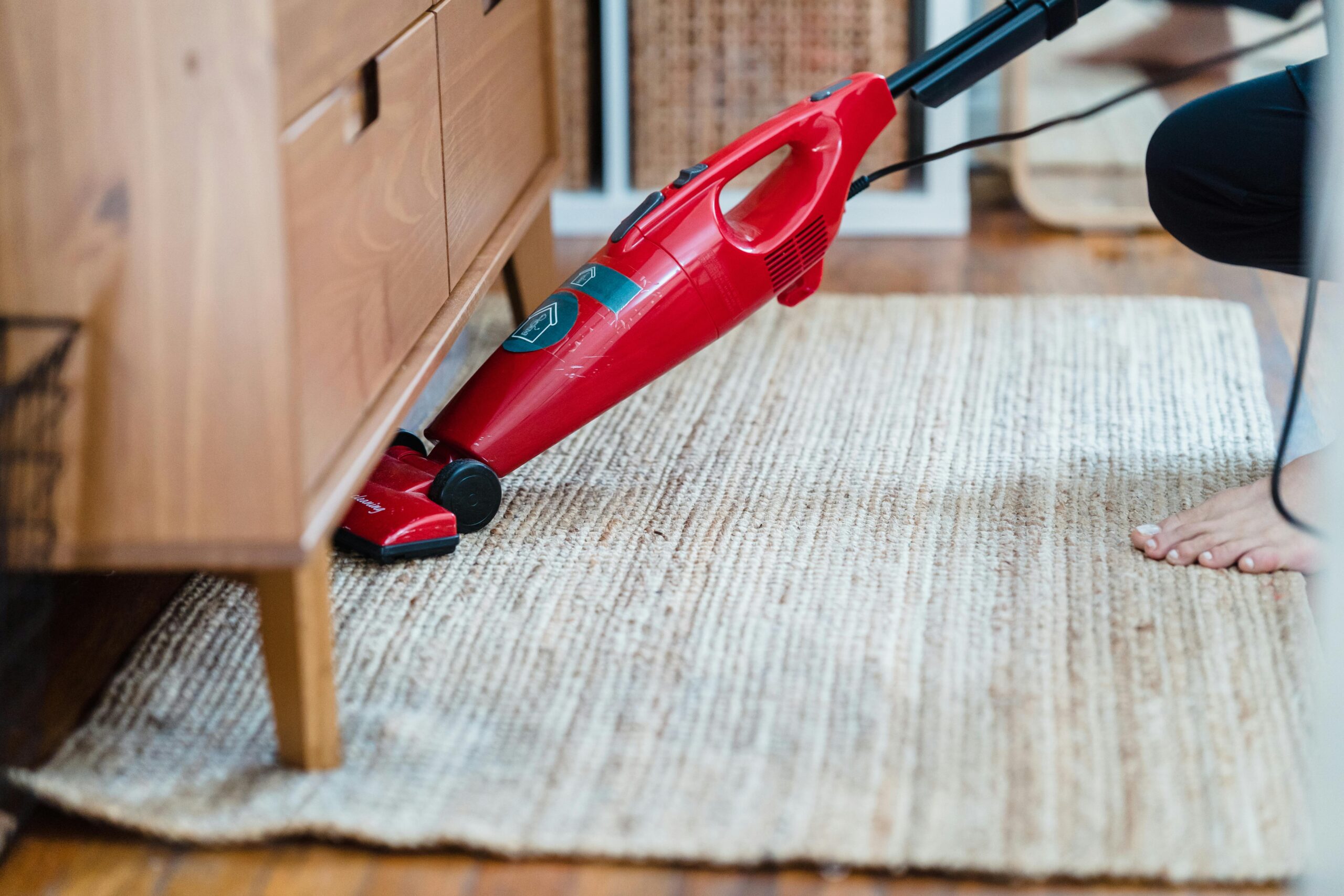
Rugs do a lot of heavy lifting in our homes. They soften hard floors, reduce noise, and tie a room together. But they also collect dust, dirt, pet hair, spills, and odors faster than almost anything else. The good news? You don’t need expensive equipment or professional services every time your rug looks tired. With the right method and a little patience, you can clean most a rugs at home safely and effectively.
This guide breaks the process into 9 simple, practical steps. The language is clear, the advice is realistic, and every step is easy to follow—even if you’ve never cleaned a rug before.
Why Proper Rug Cleaning Matters
Before jumping into the steps, it helps to understand why rug cleaning needs care.
- Dirt trapped in fibers acts like sandpaper and wears them down
- Dust and allergens affect indoor air quality
- Spills that sit too long become permanent stains
- Moisture left behind can cause mold or bad smells
Cleaning your rug the right way helps it last longer, look better, and stay safe for daily use.
Step 1: Identify Your Rug Type First
This step is often skipped—and it causes most rug damage.
Different rugs need different care. Cleaning without knowing the material can lead to shrinking, color bleeding, or rough texture.
Common rug materials
- Wool: Durable but sensitive to harsh chemicals
- Cotton: Easier to clean, but may shrink
- Synthetic (polypropylene, nylon): Very forgiving and water-safe
- Silk or viscose: Extremely delicate—usually needs professional care
What to do
- Check the manufacturer’s label if available
- If there’s no label, test with a small amount of water on a hidden corner
- When in doubt, avoid soaking the rug
Tip: If colors bleed during testing, stop and avoid wet cleaning.
Step 2: Vacuum Thoroughly (Both Sides)
Vacuuming removes up to 80% of loose dirt, making every other step easier and safer.
How to vacuum properly
- Use a vacuum with adjustable height
- Turn off the beater bar for delicate rugs
- Vacuum slowly in both directions
If the rug is small enough:
- Flip it over
- Vacuum the back to loosen deep dirt
This step prevents mud-like stains when water hits trapped dust.
Step 3: Shake or Beat the Rug (If Possible)
For smaller rugs, shaking removes debris that vacuums miss.
Best places to do this
- Outdoors
- Balcony or patio
- Garage with the door open
How to do it
- Hold the rug firmly
- Shake hard several times
- Or drape it over a railing and tap gently
You’ll be surprised how much dirt falls out—even after vacuuming.
Step 4: Spot Test Your Cleaning Solution
Never apply a cleaner to the entire rug without testing first.
How to spot test safely
- Choose a hidden corner
- Apply a small amount of cleaner
- Wait 10–15 minutes
Look for
- Color bleeding
- Texture changes
- Fading or dullness
If any of these happen, stop and switch to a gentler method.
Step 5: Treat Stains Individually
Not all stains should be cleaned the same way. Treating them early prevents permanent damage.
General stain-cleaning rules
- Blot, don’t rub
- Work from the outside in
- Use minimal liquid
Simple DIY stain solution
- 1 cup warm water
- A few drops of mild dish soap
- Optional: 1 tablespoon white vinegar
Apply with a clean cloth and blot gently.
For common stains
- Food or drink: Mild soap + water
- Pet accidents: Vinegar solution to remove odor
- Grease: Sprinkle baking soda first, then vacuum
Let treated spots dry before moving on.
Step 6: Clean the Entire Rug Gently
Once stains are handled, you can clean the full rug surface.
Best method for home cleaning
- Mix mild detergent with warm water
- Dip a soft brush or sponge
- Scrub lightly in sections
Avoid soaking the rug. Excess water damages backing and padding.
Important reminders
- Use gentle pressure
- Follow the rug’s pile direction
- Change water if it becomes dirty
This step refreshes the rug without stressing the fibers.
Step 7: Rinse Without Over-Wetting
Soap residue attracts dirt, so rinsing matters—but it must be controlled.
Safe rinsing methods
- Wipe with a damp cloth (not dripping)
- Use a spray bottle with clean water
- Blot excess moisture with towels
Never pour water directly onto the rug unless it’s designed for deep washing.
Step 8: Dry the Rug Completely
Improper drying leads to musty smells and mold growth.
Best drying practices
- Lay the rug flat in a ventilated area
- Use fans to speed airflow
- Open windows if weather allows
Avoid
- Direct sunlight (can fade colors)
- Folding while damp
- Placing furniture on a wet rug
Drying may take several hours to a full day, depending on thickness.
Step 9: Final Vacuum and Grooming
Once the rug is completely dry, finish strong.
Final touches
- Vacuum lightly to lift fibers
- Use a soft brush to restore pile direction
- Check for any remaining spots
This step gives your rug a clean, finished look and improves softness underfoot.
How Often Should You Clean a Rug?
Cleaning frequency depends on foot traffic, pets, and location.
General guidelines
- Vacuum: 1–2 times per week
- Spot clean: As soon as spills happen
- Deep clean: Every 6–12 months
High-traffic areas may need more frequent care.
Common Rug Cleaning Mistakes to Avoid
Many rugs get damaged not from dirt—but from cleaning mistakes.
Watch out for these errors
- Using hot water on wool or silk
- Scrubbing aggressively
- Leaving soap residue
- Drying too slowly
- Ignoring care labels
Avoiding these mistakes helps your rug stay vibrant for years.
When to Call a Professional Cleaner
Some situations are better handled by experts.
Consider professional cleaning if
- The rug is antique or handmade
- Colors bleed during testing
- There’s deep odor or mold
- The rug is silk, viscose, or high-value wool
Professional care costs more but prevents irreversible damage.
Extra Tips to Keep Rugs Clean Longer
Prevention reduces how often you need deep cleaning.
Simple habits that help
- Use door mats at entrances
- Rotate rugs every few months
- Remove shoes indoors
- Vacuum under furniture edges
These small steps protect fibers and color.
Final Thoughts
Clean a rug doesn’t have to be complicated or risky. When you break it down into 9 clear steps, the process becomes manageable, safe, and effective.
The key points to remember:
- Always know your rug type
- Remove dry dirt before adding moisture
- Treat stains early and gently
- Dry thoroughly
With regular care and the right approach, your rug can stay fresh, soft, and beautiful for many years—without constant professional cleaning.
[…] plastic sheets are shaped using molds. This is common in packaging […]
[…] drain cleanout is an access point built into your home’s drainage system. It allows plumbers (or experienced homeowners) to reach inside drain or sewer pipes to clear […]