

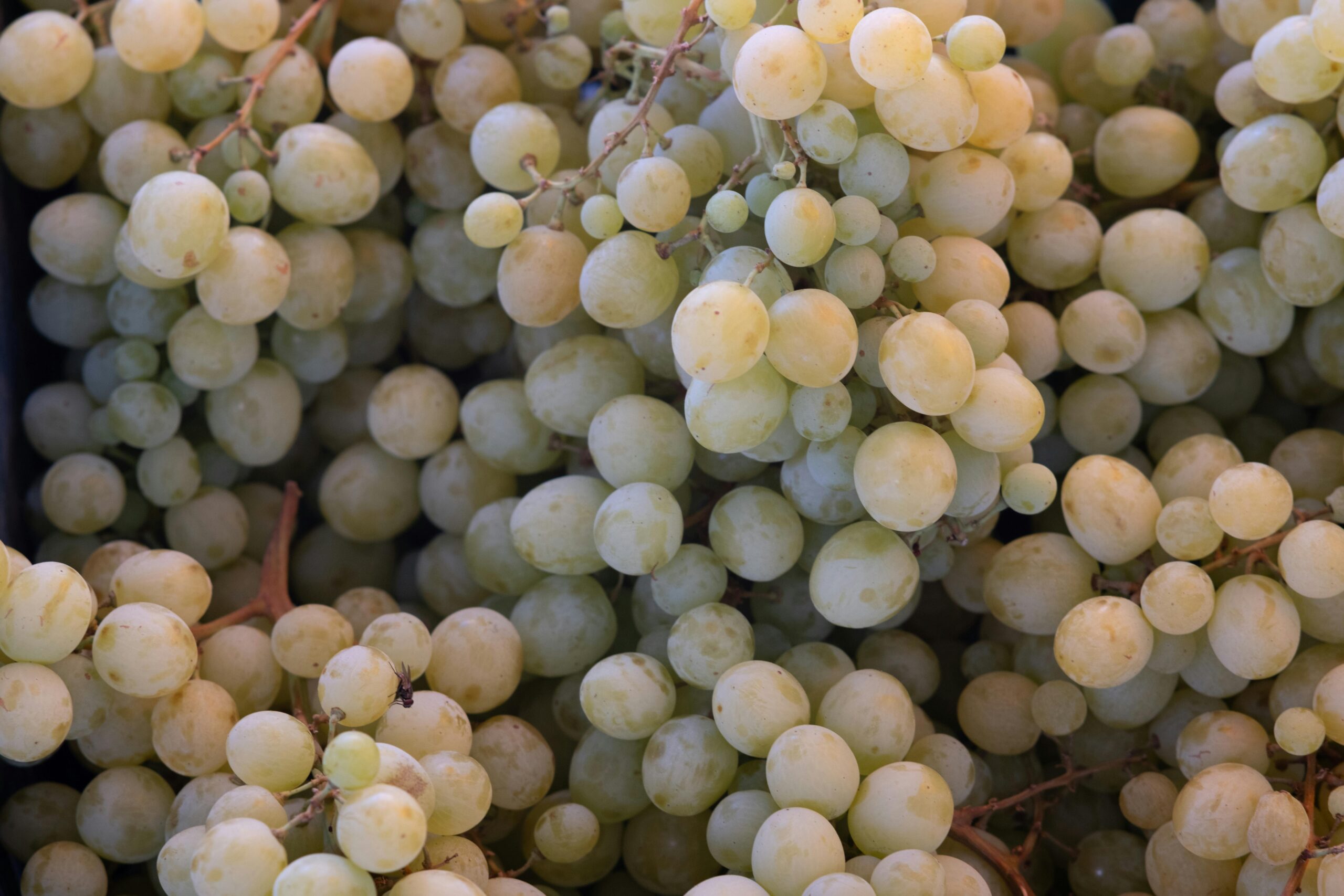
Growing organic white grapes at home is one of the most rewarding gardening experiences. These grapes are sweet, refreshing, and free from harmful chemicals when grown organically. Whether you want fresh fruit for eating, juicing, or homemade wine, white grapes can thrive in a home garden with the right care.
This guide is written for real gardeners, not just search engines. You’ll find clear steps, practical tips, and easy language to help you grow healthy grapevines successfully. No fluff. No confusing jargon. Just proven advice you can actually use.
Why Choose Organic White Grapes?
Organic gardening is more than a trend. It’s a healthier and more sustainable way to grow food.
Key Benefits of Growing Organic White Grapes
- No chemical pesticides or synthetic fertilizers
- Better taste and natural sweetness
- Healthier soil and environment
- Safer fruit for children and pets
- Long-term vine health and productivity
White grapes also have thinner skins than many red varieties, making them especially sensitive to chemicals. That’s why organic methods work best.
Best White Grape Varieties for Home Gardens
Not all white grapes grow well in every climate. Choose a variety that matches your local conditions.
Popular Organic White Grape Varieties
- Thompson Seedless – Sweet, productive, and great for fresh eating
- Niagara – Cold-hardy with a strong aroma
- Chardonnay – Ideal for winemaking
- Muscat Blanc – Excellent flavor and fragrance
- Sultana – Perfect for raisins and fresh use
💡 Tip: Ask local nurseries which varieties perform best in your region.
Ideal Climate for White Grapes
White grapes love warmth and sunlight.
Climate Requirements
- Sunlight: 6–8 hours of full sun daily
- Temperature: Best between 15°C and 30°C (59°F–86°F)
- Air circulation: Essential to prevent fungal diseases
They can handle mild cold, but late spring frosts can damage young buds.
Choosing the Right Location in Your Garden
Location plays a huge role in grape success.
What to Look For
- South-facing area for maximum sun
- Well-drained soil (grapes hate wet feet)
- Open space for airflow
- Away from tall trees or walls that block sunlight
Avoid low spots where cold air settles.
Preparing the Soil for Organic Grapes
Healthy soil equals healthy vines.
Ideal Soil Conditions
- Loamy or sandy soil
- pH between 6.0 and 6.8
- Rich in organic matter
How to Prepare Soil
- Clear weeds and grass
- Loosen soil 12–18 inches deep
- Mix in compost or well-rotted manure
- Add organic bone meal for phosphorus
- Ensure proper drainage
🌱 Organic compost is the foundation of strong grapevines.
Planting Organic White Grape Vines
Best Time to Plant
- Early spring (after frost)
- Late winter in warm climates
Planting Steps
- Dig a hole twice as wide as the roots
- Place vine so roots spread naturally
- Fill hole with soil and compost mix
- Water deeply
- Mulch lightly around the base
Spacing
- 6–8 feet between plants
- 8–10 feet between rows
Proper spacing improves airflow and reduces disease.
Supporting Your Grape Vines
Grapes need structure to grow properly.
Best Support Systems
- Trellis
- Arbor
- Pergola
- Fence
Train vines early. This makes pruning and harvesting much easier later.
Watering Organic White Grapes
Water deeply, but not too often.
Watering Guidelines
- Young vines: 1–2 times per week
- Mature vines: Deep watering every 7–10 days
- Avoid overhead watering
Too much water leads to root rot and weak growth.
Organic Fertilizing Tips
Organic grapes don’t need heavy feeding.
Best Organic Fertilizers
- Compost tea
- Worm castings
- Aged manure
- Fish emulsion (diluted)
Apply fertilizer in early spring and again after flowering.
🚫 Avoid synthetic fertilizers. They promote leaf growth but weaken fruit quality.
Pruning White Grapes for Better Yield
Pruning is critical. Many beginners skip this step—and pay the price.
Why Pruning Matters
- Improves fruit quality
- Controls vine size
- Prevents disease
- Boosts airflow and sunlight
When to Prune
- Late winter or early spring
- While vines are dormant
Basic Pruning Rule
Remove 70–90% of last year’s growth.
Yes, it feels harsh—but grapes fruit on new wood.
Organic Pest Control for White Grapes
Pests are part of gardening, but chemicals aren’t the solution.
Common Grape Pests
- Aphids
- Spider mites
- Grape leafhoppers
- Birds
Organic Pest Solutions
- Neem oil spray
- Insecticidal soap
- Companion planting (marigolds, basil)
- Netting for birds
Inspect leaves weekly to catch problems early.
Preventing Diseases Naturally
White grapes are prone to fungal diseases.
Common Diseases
- Powdery mildew
- Downy mildew
- Botrytis (gray mold)
Organic Disease Prevention
- Proper pruning
- Good airflow
- Sun exposure
- Sulfur spray (organic-approved)
- Baking soda spray for mildew
Healthy vines resist disease better than stressed ones.
Mulching for Moisture and Weed Control
Mulch helps maintain soil health.
Best Organic Mulches
- Straw
- Wood chips
- Dry leaves
- Grass clippings
Keep mulch 2–3 inches away from the trunk to prevent rot.
Harvesting White Grapes
Patience pays off.
How to Know When Grapes Are Ready
- Full color development
- Sweet taste (taste test!)
- Seeds turn brown
- Firm but juicy texture
🍇 Grapes do not ripen after harvest. Pick only when fully ripe.
Storing and Using White Grapes
Storage Tips
- Refrigerate unwashed grapes
- Store in breathable bags
- Use within 1–2 weeks
Ways to Enjoy
- Fresh snacks
- Smoothies
- Juices
- Salads
- Homemade wine
- Raisins
Organic grapes taste better because they grow slower and naturally.
Common Mistakes to Avoid
Many beginners struggle due to simple errors.
Avoid These Mistakes
- Overwatering
- Skipping pruning
- Poor air circulation
- Too much fertilizer
- Planting in shade
Fixing these issues early saves years of frustration.
How Long Do White Grape Vines Take to Produce?
- Year 1: Root and vine growth
- Year 2: Small harvest
- Year 3+: Full production
With proper care, grapevines can produce for 20–30 years.
Are Organic White Grapes Worth the Effort?
Absolutely.
They require attention, but the rewards are huge:
- Healthier fruit
- Lower long-term costs
- Stronger connection to your garden
- Better flavor than store-bought grapes
Once established, grapevines are surprisingly low-maintenance.
Final Thoughts
Growing organic white grapes in your garden is not difficult—but it does require knowledge, patience, and consistency. Focus on soil health, proper pruning, and natural pest control. Avoid shortcuts and chemicals.
Start small. Learn as you grow. In a few seasons, you’ll enjoy sweet, organic grapes straight from your own vines.
If you follow these tips, your garden won’t just grow grapes—it will grow confidence, skill, and sustainability.
🌱🍇 Happy organic gardening!