

Creating a patio is one of the best ways to upgrade your outdoor space. If you’re looking for something affordable, stylish, and easy to install, a pea gravel patio is a smart option. It offers a natural look, drains well, and works in almost any garden style.
But like any material, pea gravel has its strengths and weaknesses. Before you start your project, it’s important to understand the full picture—costs, benefits, drawbacks, and how to install it the right way.
This guide will walk you through everything you need to know about pea gravel patio installation in clear, practical terms.
What Is a Pea Gravel Patio?
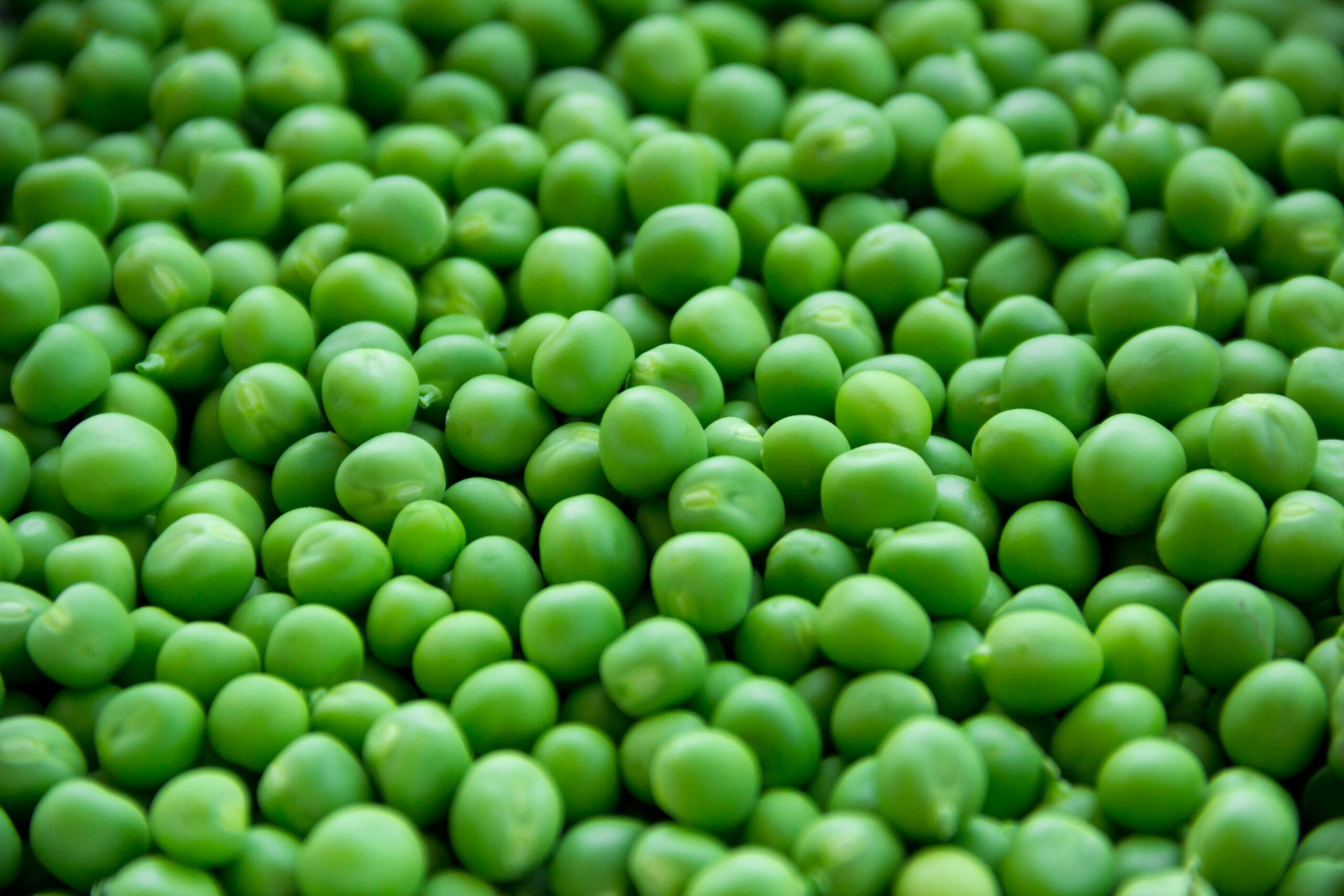
A pea gravel patio is an outdoor seating area made using small, smooth stones. These stones are usually about the size of a pea (hence the name). They come in soft, natural colors like beige, gray, white, and brown.
Unlike concrete or pavers, pea gravel creates a relaxed and informal look. It works well in:
- Cottage-style gardens
- Modern minimalist yards
- Rustic outdoor spaces
- Budget-friendly landscaping projects
Why Choose Pea Gravel for Your Patio?
Many homeowners choose pea gravel because it’s simple and cost-effective. But that’s not the only reason.
Natural Appearance
Pea gravel blends easily with plants, wood, and other outdoor materials. It gives your patio a soft, organic feel instead of a rigid, hard surface.
Excellent Drainage
Water flows through gravel instead of pooling on top. This makes it ideal for areas with heavy rain or poor drainage.
Easy Installation
You don’t need heavy machinery or advanced skills. With basic tools and some effort, you can build a pea gravel patio yourself.
Affordable Option
Compared to pavers, concrete, or stone slabs, pea gravel is much cheaper.
Pros of a Pea Gravel Patio
Let’s take a closer look at the advantages.
1. Budget-Friendly
Pea gravel is one of the most affordable patio materials. You can cover a large area without spending too much.
2. DIY-Friendly
Even beginners can install it. You don’t need professional help unless you’re working on a large or complex design.
3. Flexible Design Options
You can shape your patio however you like—round, square, curved, or irregular.
4. Low Maintenance
There’s no need for sealing or special treatments. Occasional raking and topping up gravel is enough.
5. Good Drainage
No puddles or standing water. This helps prevent mud and keeps your patio usable after rain.
6. Eco-Friendly
Pea gravel is a natural material. It doesn’t require energy-intensive production like concrete.
Cons of a Pea Gravel Patio
While pea gravel has many benefits, it also comes with some downsides.
1. Gravel Shifts Easily
The stones can move underfoot. This makes furniture less stable and can feel uneven.
2. Weed Growth
Without proper preparation, weeds can grow through the gravel.
3. Not Ideal for Heavy Furniture
Chairs and tables may sink or wobble, especially if they have thin legs.
4. Requires Edging
Without borders, gravel can spread into your lawn or garden beds.
5. Needs Occasional Refilling
Over time, gravel may scatter or sink into the ground, so you’ll need to add more.
Cost of a Pea Gravel Patio
One of the biggest reasons people choose pea gravel is the cost.
Average Cost Breakdown
- Pea gravel material: $30 to $60 per ton
- Cost per square foot: $1 to $3
- Total project cost: $300 to $1,500 (depending on size and materials)
Additional Costs to Consider
- Landscape fabric
- Base materials (sand or crushed stone)
- Edging (metal, wood, or stone)
- Labor (if hiring professionals)
DIY vs Professional Installation
- DIY: Saves money but requires time and effort
- Professional: Costs more but ensures a polished result
Step-by-Step Guide to Installing a Pea Gravel Patio
Installing a pea gravel patio is straightforward if you follow the right steps.
Step 1: Plan Your Layout
Start by choosing the location and shape of your patio.
- Measure the area
- Mark the boundaries with stakes and string
- Decide on the depth (usually 2–4 inches of gravel)
Step 2: Clear the Area
Remove grass, weeds, and debris.
- Dig down about 4–6 inches
- Level the surface as much as possible
Step 3: Install Edging
Edging keeps the gravel in place.
Popular options include:
- Metal edging
- Wooden borders
- Brick or stone edges
Make sure the edging is secure and slightly above ground level.
Step 4: Add Landscape Fabric
Lay down a weed barrier fabric.
- Prevents weeds from growing
- Helps keep gravel separate from soil
Secure it with landscape pins.
Step 5: Add a Base Layer
For better stability, add a base layer of crushed stone or sand.
- Spread evenly (2–3 inches)
- Compact it using a tamper or plate compactor
Step 6: Add Pea Gravel
Now add the pea gravel.
- Spread evenly across the surface
- Aim for a depth of 2–3 inches
- Rake it smooth
Step 7: Compact and Finish
Lightly compact the gravel.
- Walk over it or use a roller
- Check for uneven areas and adjust
Maintenance Tips for a Pea Gravel Patio
Keeping your patio in good shape doesn’t take much work.
Regular Raking
Rake the surface to keep it level and smooth.
Weed Control
Remove weeds as soon as they appear. You can also use natural weed killers.
Top Up Gravel
Add more gravel every year or as needed to maintain depth.
Keep Edging Intact
Check borders regularly to ensure they’re holding the gravel in place.
Design Ideas for Pea Gravel Patios
A pea gravel patio doesn’t have to look plain. Here are some ways to make it stand out.
Add Pavers or Stepping Stones
Create a stable walking path or seating area.
Use Outdoor Rugs
Outdoor rugs can add color and improve comfort.
Combine with Plants
Surround your patio with flowers, shrubs, or small trees.
Install a Fire Pit
Pea gravel works well around fire pits because it doesn’t burn.
Mix Materials
Combine gravel with wood decking or stone slabs for a modern look.
Is a Pea Gravel Patio Right for You?
A pea gravel patio is a great choice if you:
- Want a low-cost solution
- Prefer a natural, relaxed look
- Enjoy DIY projects
- Need good drainage
However, it may not be ideal if you:
- Want a perfectly stable surface
- Plan to use heavy furniture
- Prefer a low-maintenance, no-movement material
Final Thoughts
A pea gravel patio offers a simple and affordable way to transform your outdoor space. It’s easy to install, looks great in many settings, and doesn’t require much maintenance.
That said, it’s not perfect. You’ll need to deal with shifting gravel, occasional weeds, and some upkeep. But for many homeowners, the benefits far outweigh the downsides.
If you want a patio that feels natural, costs less, and can be installed over a weekend, pea gravel is a strong option worth considering.