

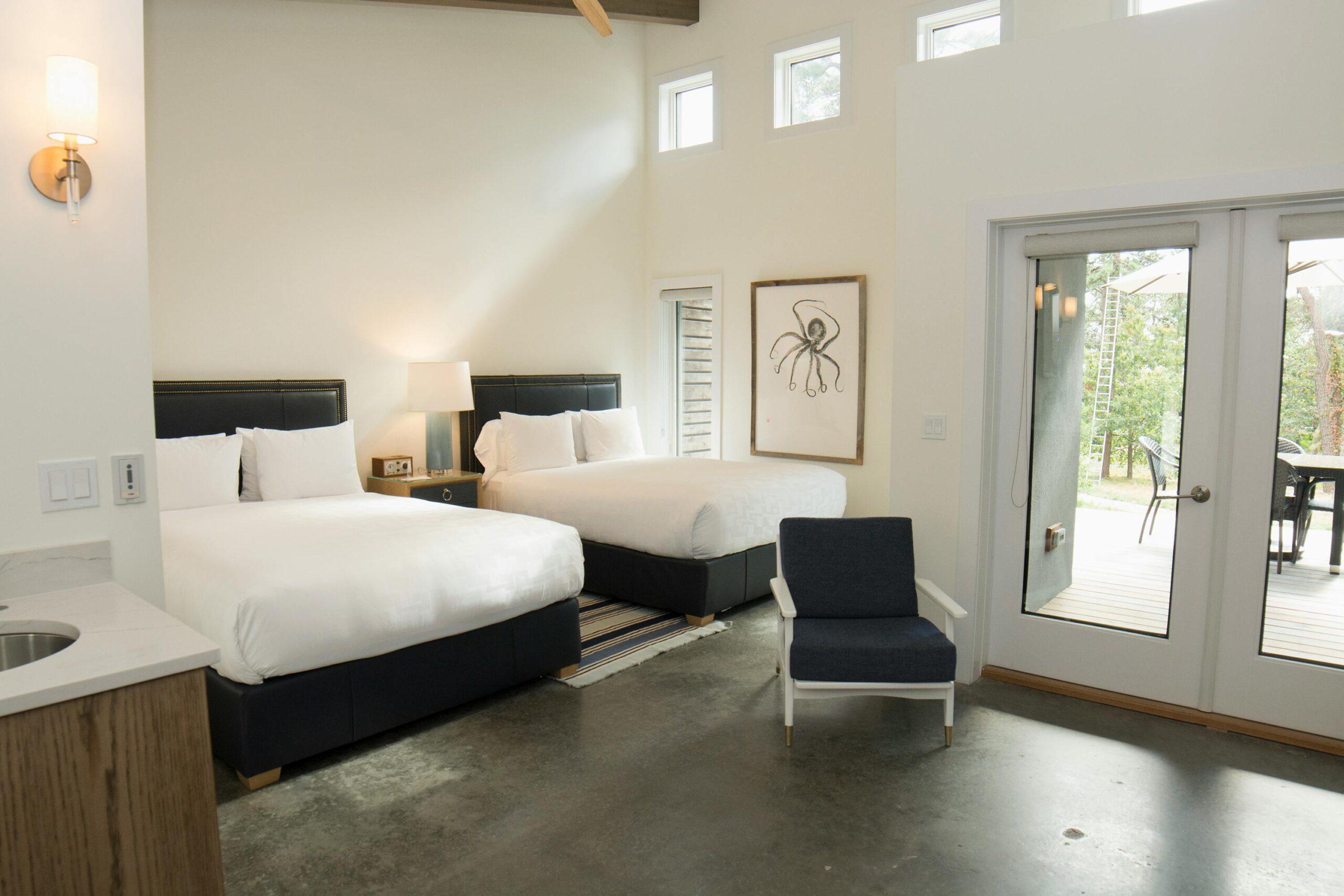
Designing a two-bedroom house may seem simple, but doing it right takes thoughtful planning. Whether you’re building from scratch or renovating, every square foot matters. A well-designed home should feel comfortable, practical, and visually pleasing—all at the same time.
This guide will walk you through everything you need to know. From layout ideas to space-saving tips, you’ll learn how to design a two-bedroom house that fits your lifestyle perfectly.
Why Choose a Two Bedroom House?
A two-bedroom house is one of the most popular home types—and for good reason.
It offers just the right balance between space and cost. It works well for small families, couples, roommates, or even individuals who want a guest room or home office.
Key Benefits
- Affordable construction and maintenance
- Efficient use of space
- Easier to clean and manage
- Flexible room usage
This type of home is especially ideal if you want something practical without feeling cramped.
Start With a Clear Plan
Before you begin designing, you need a clear plan. This is the foundation of everything.
Ask Yourself These Questions
- How many people will live in the house?
- Do you need a home office or study area?
- Will you entertain guests often?
- Do you prefer open or separate spaces?
Your answers will shape the layout and design decisions.
Choosing the Right Layout
The layout is the most important part of your design. A good layout improves comfort and movement inside the house.
Common Two Bedroom Layout Options
1. Open Plan Layout
This design connects the living room, dining area, and kitchen.
Why it works:
- Makes small spaces feel larger
- Improves natural light flow
- Great for social interaction
2. Closed Plan Layout
Each room is separate with walls and doors.
Why it works:
- More privacy
- Better noise control
- Ideal for families
3. Split Bedroom Layout
Bedrooms are placed on opposite sides of the house.
Why it works:
- Maximum privacy
- Perfect for roommates or guests
Room-by-Room Design Guide
Let’s break down each part of a two-bedroom house and how to design it effectively.
Living Room Design
The living room is where people gather. It should feel welcoming and functional.
Tips:
- Use light colors to make the room feel bigger
- Choose compact furniture
- Add multi-purpose items like sofa beds or storage ottomans
- Keep pathways clear
Avoid overcrowding the space. Less furniture often looks better and feels more comfortable.
Kitchen Design
In a two-bedroom house, the kitchen should be efficient and easy to use.
Popular Kitchen Layouts
- L-shaped kitchen – saves space and allows easy movement
- U-shaped kitchen – offers more storage and counter space
- Galley kitchen – ideal for narrow homes
Smart Ideas:
- Install wall cabinets to maximize storage
- Use pull-out drawers instead of deep cabinets
- Add under-cabinet lighting
A clean and organized kitchen makes daily life much easier.
Bedroom Design
You have two bedrooms, so it’s important to plan their purpose.
Master Bedroom
This is usually the larger room.
Design tips:
- Use calming colors
- Add built-in wardrobes
- Keep furniture minimal
Second Bedroom
This room can be flexible.
You can use it as:
- A guest room
- A kids’ room
- A home office
Choose furniture that can adapt, like a foldable bed or a desk with storage.
Bathroom Design
A two-bedroom house typically has one or two bathrooms.
Design tips:
- Use light tiles to make the space feel larger
- Install wall-mounted fixtures
- Use mirrors to reflect light
If space allows, consider adding a second bathroom or at least a powder room.
Space-Saving Design Ideas
When designing a smaller home, smart use of space is essential.
Practical Ideas That Work
- Built-in storage: Cabinets inside walls save space
- Sliding doors: They don’t need extra room to open
- Foldable furniture: Ideal for small areas
- Vertical storage: Use wall shelves
Every inch matters. Think smart, not big.
Lighting Matters More Than You Think
Lighting can completely change how your home feels.
Types of Lighting to Use
- Natural light: Always maximize windows
- Ambient lighting: General lighting for rooms
- Task lighting: For kitchen and work areas
- Accent lighting: Adds style and depth
Try to combine all three types for a balanced look.
Ventilation and Airflow
Good airflow keeps your home fresh and comfortable.
Tips for Better Ventilation
- Place windows on opposite walls
- Use ventilators in bathrooms and kitchens
- Keep doors aligned for cross ventilation
A well-ventilated home feels cooler and healthier.
Choosing the Right Colors
Color plays a big role in how your house feels.
Best Color Choices for Small Homes
- White and off-white
- Light grey
- Soft pastels
These colors reflect light and make spaces look larger.
You can add darker shades through furniture or decor for contrast.
Flooring Options
Flooring affects both the look and durability of your home.
Popular Choices
- Tiles: Easy to clean and long-lasting
- Vinyl: Affordable and stylish
- Wood: Warm and natural feel
Choose something that fits your budget and lifestyle.
Storage Solutions That Actually Work
Storage is often overlooked, but it’s essential.
Smart Storage Ideas
- Under-bed storage
- Built-in wardrobes
- Kitchen organizers
- Wall-mounted shelves
Keep your home clutter-free by planning storage early.
Outdoor Space Planning
Even a small outdoor area can add value.
Ideas to Consider
- Small garden
- Patio or sitting area
- Balcony with plants
A little greenery can make your home feel more relaxing.
Budget Planning Tips
Designing a house can get expensive if you’re not careful.
How to Stay on Budget
- Set priorities early
- Avoid unnecessary features
- Choose cost-effective materials
- Plan for future upgrades
Spend more on things that matter, like structure and quality.
Common Mistakes to Avoid
Many people make simple mistakes that affect comfort and usability.
Avoid These Errors
- Poor room placement
- Lack of storage
- Ignoring natural light
- Overcrowding spaces
- Not planning for future needs
Good planning can save you money and stress later.
Designing for the Future
Think long-term when designing your home.
Future-Proof Ideas
- Flexible room design
- Extra storage space
- Energy-efficient features
- Strong structure for expansion
Your needs may change, so your house should adapt too.
Sample Two Bedroom House Layout Idea
Here’s a simple layout you can consider:
- Living room at the entrance
- Open kitchen and dining area
- Master bedroom with attached bathroom
- Second bedroom near a shared bathroom
- Small storage or utility area
This layout balances privacy and accessibility.
Final Thoughts
Designing a two-bedroom house is all about smart choices. You don’t need a large space to create a comfortable and stylish home.
Focus on functionality first. Make sure every room has a purpose. Use space wisely, choose the right layout, and keep things simple.
A well-designed two-bedroom house can feel just as comfortable as a larger home—if not more.
FAQs
How big should a two-bedroom house be?
It usually ranges between 600 to 1200 square feet, depending on layout and design.
Can a two-bedroom house feel spacious?
Yes. With an open layout, light colors, and smart furniture, it can feel very spacious.
Is a two-bedroom house good for families?
Yes, it works well for small families or couples with one child.
How can I add more storage?
Use built-in cabinets, wall shelves, and multi-purpose furniture.
[…] The result is wood that looks better, feels smoother, and performs more reliably. […]