

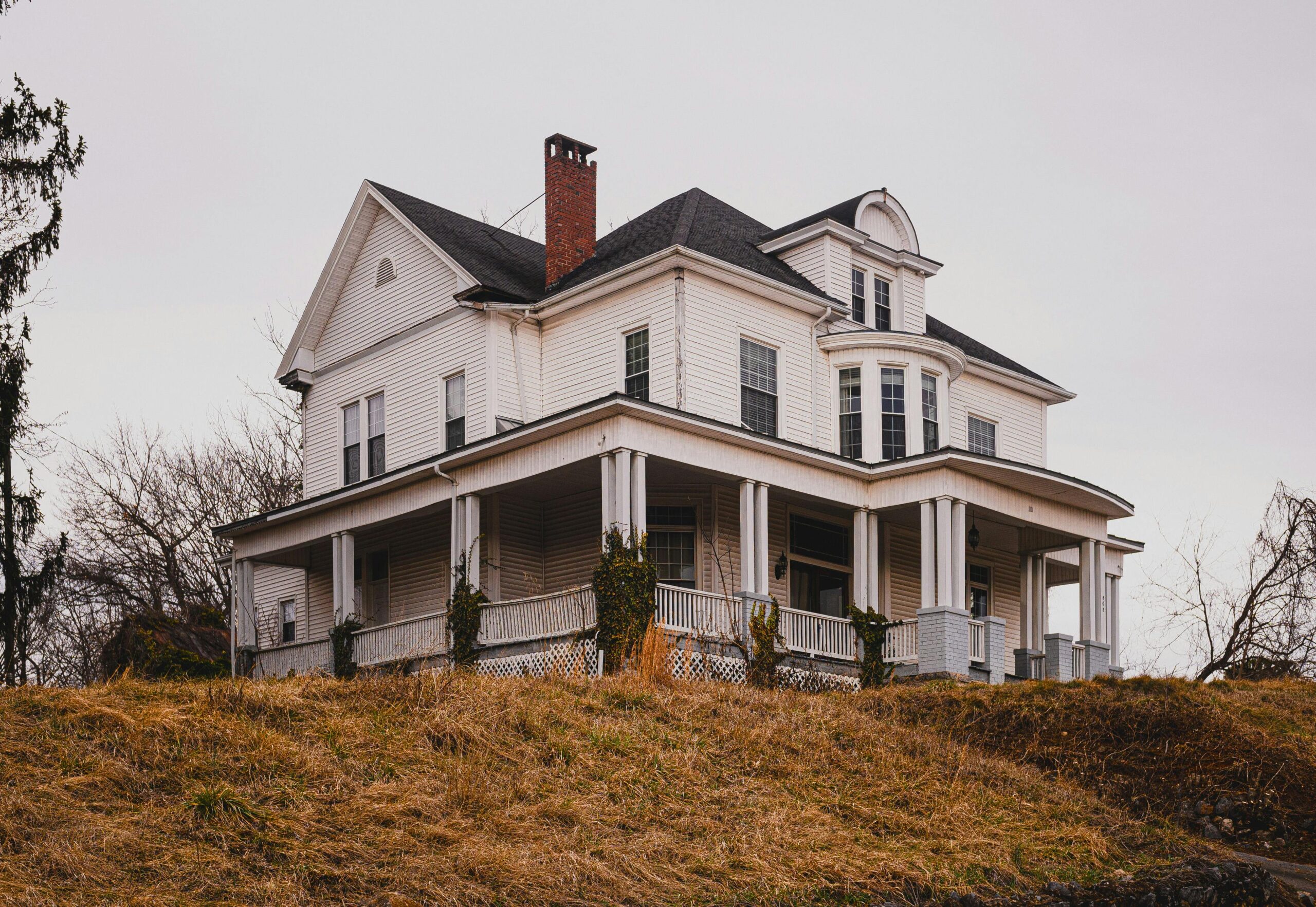
Designing a home on a narrow lot may seem challenging at first. Limited width can feel restrictive, especially when you want comfort, style, and functionality in one space. But with the right approach, narrow lot house plans can be surprisingly efficient, modern, and beautiful.
This guide will help you understand how to make the most of narrow spaces. You’ll learn about smart layouts, practical design tips, and creative ideas that turn constraints into advantages.
What Is a Narrow Lot House?
A narrow lot house is designed for plots that have limited width but often extend deeper in length. These homes are common in urban areas where land is scarce or expensive.
Typically, a narrow lot measures anywhere from 20 to 40 feet wide. Because of this, the house plan must focus on maximizing vertical and interior space instead of spreading outward.
Why Choose a Narrow Lot House Plan?
Many homeowners choose narrow lot designs not just out of necessity, but because they offer real advantages.
1. Better Land Utilization
Narrow homes make smart use of smaller plots. You can build a comfortable house without needing a large piece of land.
2. Lower Construction Costs
Smaller footprints often mean reduced building costs. You may spend less on materials, roofing, and foundation work.
3. Ideal for Urban Living
In crowded cities, narrow homes allow you to live close to work, schools, and essential services.
4. Easier Maintenance
A compact home is easier to clean and maintain. This saves time and reduces long-term expenses.
Key Features of Narrow Lot House Designs
To make narrow homes functional, designers focus on certain key elements.
Open Floor Plans
Walls are minimized to create a sense of openness. Living, dining, and kitchen areas often flow into one another.
Vertical Expansion
Instead of building wide, narrow homes go up. Two-story or even three-story designs are common.
Smart Storage
Built-in cabinets, under-stair storage, and multi-purpose furniture help reduce clutter.
Natural Light Optimization
Large windows, skylights, and glass doors bring in more light and make the space feel bigger.
Popular Narrow Lot Floor Plan Styles
Different layouts suit different lifestyles. Here are some common floor plan types.
1. Two-Story Narrow House Plans
This is the most popular option. The ground floor usually includes:
- Living room
- Kitchen
- Dining area
- Guest bathroom
The upper floor typically has bedrooms and private spaces.
This layout separates public and private areas, making it practical for families.
2. Three-Story Designs
For very tight plots, going vertical is the best solution.
- Ground floor: Parking or small living area
- First floor: Main living space
- Second floor: Bedrooms
This design works well in dense urban neighborhoods.
3. Split-Level Layouts
Split-level homes use staggered floors to create different zones without needing a large footprint.
They add visual interest and improve space usage.
4. Duplex or Twin Homes
If you want rental income or multi-family living, duplex narrow houses are a smart option.
Each unit is compact but functional, often sharing a central wall.
Smart Design Tips for Narrow Homes
Designing a narrow home requires careful planning. Here are practical tips to make your space work better.
Use Open Spaces
Avoid too many walls. An open layout makes the home feel larger and more breathable.
Choose Light Colors
Light shades like white, beige, and soft gray reflect light. They help create a sense of space.
Install Large Windows
Natural light is your best friend in a narrow house. Floor-to-ceiling windows can transform the feel of a room.
Add Mirrors
Mirrors reflect light and create an illusion of depth. Place them strategically in living areas or hallways.
Use Sliding Doors
Traditional doors take up space when opened. Sliding doors save room and improve flow.
Opt for Multi-Functional Furniture
Choose furniture that serves more than one purpose, such as:
- Sofa beds
- Foldable dining tables
- Storage beds
Best Room Layout Ideas for Narrow Lot Homes
Each part of the house needs thoughtful design.
Living Room
- Place furniture along walls to keep pathways clear
- Use compact seating arrangements
- Avoid bulky items
Kitchen
- Use a galley or L-shaped layout
- Install vertical cabinets
- Keep appliances built-in to save space
Bedrooms
- Use minimal furniture
- Install wall-mounted shelves
- Keep windows large for light
Bathrooms
- Use glass shower panels instead of curtains
- Choose wall-mounted fixtures
- Keep the design simple and clean
Maximizing Storage in a Narrow House
Storage is often a concern in smaller homes. The solution is to use every inch wisely.
Built-In Cabinets
Custom cabinets fit perfectly into available spaces.
Under-Stair Storage
This area is often wasted but can be turned into drawers or closets.
Vertical Shelving
Use walls for storage instead of taking up floor space.
Hidden Storage
Beds, sofas, and benches with hidden compartments help reduce clutter.
Outdoor Space Ideas for Narrow Lots
Even with limited width, you can still enjoy outdoor areas.
Small Front Yard
Keep it simple with plants and a walkway.
Backyard Patio
Use it for seating, dining, or relaxation.
Rooftop Terrace
If space is tight, go upward. A rooftop can become a garden or lounge area.
Balcony Design
Even a small balcony adds value and improves ventilation.
Lighting Strategies for Narrow Homes
Lighting can completely change how your home feels.
Natural Lighting
- Use large windows
- Add skylights
- Keep window treatments minimal
Artificial Lighting
- Use layered lighting (ambient, task, accent)
- Install LED strips under cabinets
- Use wall lights instead of floor lamps
Common Mistakes to Avoid
Even a good plan can fail if you make these common mistakes.
Overcrowding the Space
Too much furniture makes rooms feel cramped.
Ignoring Vertical Space
Not using wall height wastes valuable storage opportunities.
Poor Lighting
Dark spaces feel smaller and less inviting.
Complicated Layouts
Keep the design simple. Complex layouts can make movement difficult.
Cost Considerations for Narrow Lot Homes
Building a narrow house can be cost-effective, but planning is key.
Factors That Affect Cost
- Number of floors
- Quality of materials
- Interior finishes
- Custom design features
How to Save Money
- Use standard materials
- Keep the design simple
- Avoid unnecessary structural changes
- Plan everything before construction starts
Modern Trends in Narrow House Design
Narrow homes are evolving with modern design trends.
Minimalist Interiors
Clean lines and clutter-free spaces are popular.
Smart Home Features
Automation systems for lighting, security, and climate control.
Sustainable Design
Energy-efficient windows, solar panels, and eco-friendly materials.
Indoor-Outdoor Connection
Sliding glass doors and open patios create a seamless flow.
Who Should Choose a Narrow Lot Home?
Narrow house plans are ideal for:
- Urban homeowners
- First-time buyers
- Small families
- Investors building rental units
They are also perfect for people who prefer low-maintenance living.
Final Thoughts
Narrow lot house plans are not about limitations. They are about smart design and creative thinking. With the right layout and thoughtful choices, even a small space can feel open, functional, and stylish.
Focus on simplicity, maximize vertical space, and let natural light do the work. When done right, a narrow home can offer everything a larger house does—just in a more efficient way.
Whether you are building your first home or upgrading to a modern urban design, a well-planned narrow lot house can meet your needs without compromise.
FAQs
What is the ideal width for a narrow lot house?
Most narrow homes are between 20 to 40 feet wide, but designs can work even on smaller plots.
Are narrow homes comfortable for families?
Yes. With smart layouts and multiple floors, they can comfortably accommodate families.
Can I include a garage in a narrow lot?
Yes. Many designs include a front or basement garage.
How do I make a narrow house feel bigger?
Use open layouts, light colors, large windows, and minimal furniture.
[…] It offers just the right balance between space and cost. It works well for small families, couples, roommates, or even individuals who want a guest room or home office. […]
[…] In simple terms:It’s a home designed to fit tight spaces without feeling cramped. […]