

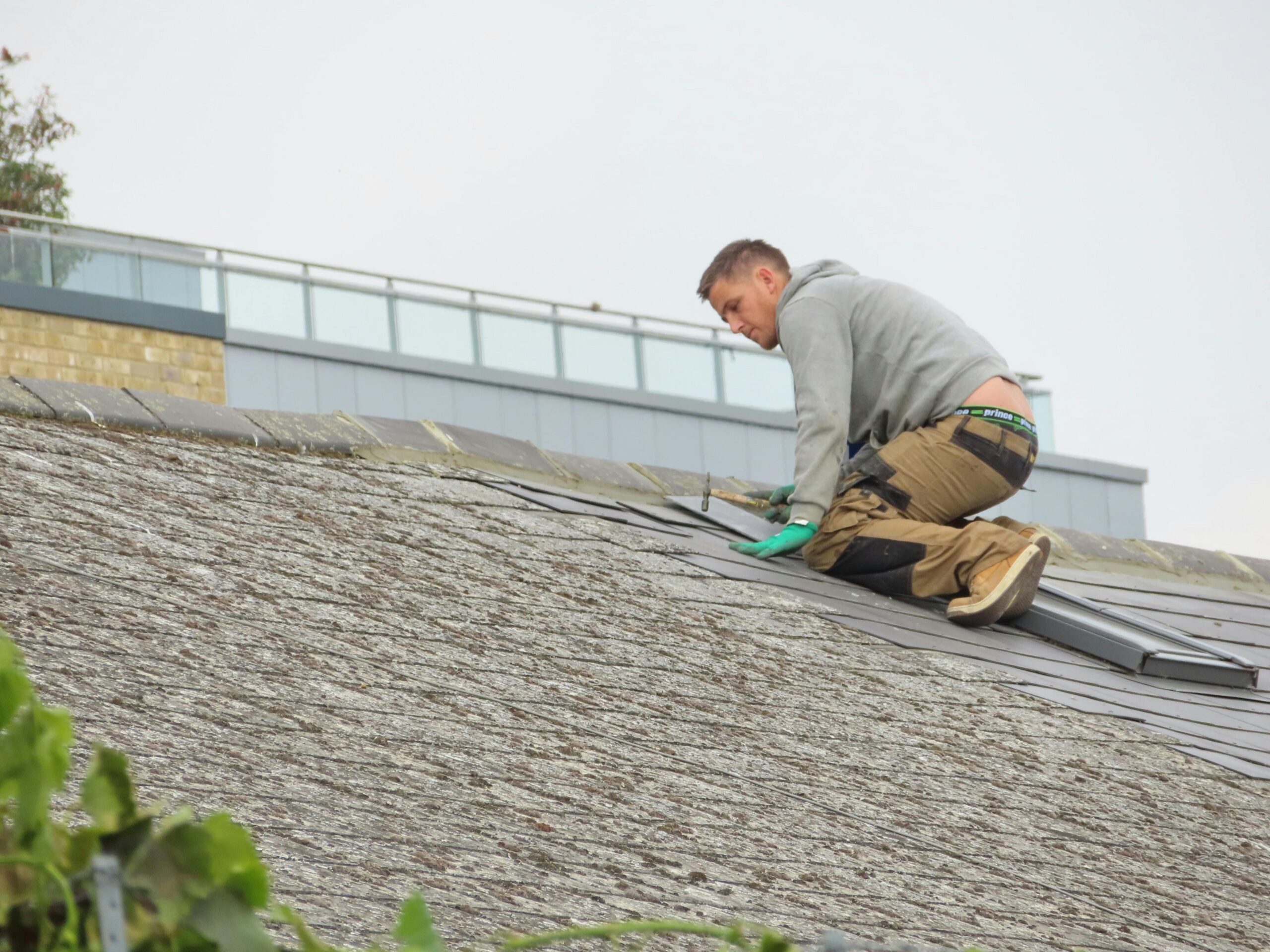
Your roof does more than just sit on top of your house—it protects everything underneath it. From harsh sunlight to heavy rain and strong winds, your roof takes the full impact of the weather every single day. Yet, many homeowners ignore roof maintenance until a serious problem appears.
The truth is simple: regular roof care can save you thousands in repairs and extend the life of your roof by years. In this guide, you’ll learn the 7 best roof maintenance practices that keep your roof strong, safe, and long-lasting.
Why Roof Maintenance Matters
A well-maintained roof does three important things:
- Protects your home from leaks and water damage
- Improves energy efficiency
- Increases property value
Ignoring maintenance leads to problems like mold, insulation damage, and even structural issues. Small issues can quickly turn into expensive repairs if left unchecked.
1. Inspect Your Roof Regularly
Regular inspection is the foundation of roof maintenance.
How often should you inspect your roof?
- Twice a year (spring and fall)
- After storms or heavy winds
What to look for:
- Missing or damaged shingles
- Cracks or holes
- Rusted flashing
- Sagging areas
You don’t always need to climb onto the roof. A visual check from the ground using binoculars can reveal many problems. For a more detailed inspection, consider hiring a professional.
Tip: Catching damage early helps avoid costly repairs later.
2. Keep Gutters Clean and Clear
Clogged gutters are one of the biggest causes of roof damage.
When leaves, dirt, and debris block your gutters, water can’t drain properly. This leads to water buildup, which can:
- Damage shingles
- Cause roof leaks
- Rot the underlying wood
Best practices for gutter maintenance:
- Clean gutters at least twice a year
- Remove leaves and debris
- Check for sagging or leaks
- Ensure downspouts direct water away from the house
Installing gutter guards can also reduce debris buildup and make maintenance easier.
3. Remove Debris From the Roof Surface
Debris like leaves, branches, and dirt can trap moisture on your roof. Over time, this leads to mold growth and material damage.
What you should do:
- Clear off leaves and branches regularly
- Remove heavy debris after storms
- Avoid letting dirt pile up in corners or valleys
Use a soft broom or blower to clean your roof. Avoid using pressure washers, as they can damage roofing materials.
4. Trim Overhanging Tree Branches
Trees add beauty and shade, but they can also damage your roof.
Overhanging branches can:
- Scratch and wear down shingles
- Drop leaves that clog gutters
- Break and fall during storms
Maintenance tips:
- Trim branches at least 6–10 feet away from the roof
- Remove weak or dead limbs
- Check trees regularly, especially before storm season
Keeping trees under control reduces the risk of sudden roof damage.
5. Check and Maintain Roof Flashing
Flashing is the metal material installed around roof edges, chimneys, vents, and skylights. It prevents water from entering vulnerable areas.
Common flashing problems:
- Cracks or gaps
- Rust or corrosion
- Loose sections
What to do:
- Inspect flashing during roof checks
- Seal small gaps with roofing sealant
- Replace damaged flashing immediately
Damaged flashing is one of the most common causes of leaks, so don’t ignore it.
6. Prevent Moss, Algae, and Mold Growth
Moist environments can lead to moss and algae buildup on your roof. These growths may seem harmless, but they can slowly damage roofing materials.
Why it’s a problem:
- Moss traps moisture
- Algae stains shingles
- Mold can spread into your home
How to prevent it:
- Keep your roof dry and clean
- Improve sunlight exposure by trimming trees
- Use moss-resistant shingles or treatments
If you already see moss or algae, use a gentle cleaning solution or hire a professional for safe removal.
7. Fix Small Problems Immediately
Small issues can turn into major repairs if ignored.
Common small problems:
- Loose shingles
- Minor leaks
- Small cracks
Why quick repairs matter:
- Prevent water damage
- Avoid structural issues
- Save money in the long run
Even a small leak can lead to mold, insulation damage, and ceiling stains. Address problems as soon as you notice them.
Bonus Tip: Ensure Proper Roof Ventilation
Ventilation is often overlooked, but it plays a key role in roof health.
Benefits of good ventilation:
- Reduces heat buildup
- Prevents moisture accumulation
- Extends roof lifespan
Poor ventilation can cause shingles to age faster and increase energy costs.
Signs Your Roof Needs Immediate Attention
Even with regular maintenance, you should watch for warning signs that indicate serious problems:
- Water stains on ceilings
- Dripping water during rain
- Missing or curled shingles
- Mold or mildew smell
- Sagging roof areas
If you notice any of these signs, take action right away.
DIY vs. Professional Roof Maintenance
When you can do it yourself:
- Cleaning gutters
- Removing debris
- Basic visual inspections
When to hire a professional:
- Major repairs
- Roof replacement
- Structural issues
- Detailed inspections
Professional roofers have the tools and experience to handle complex problems safely.
Seasonal Roof Maintenance Checklist
Spring:
- Inspect for winter damage
- Clean gutters
- Remove debris
Summer:
- Check for heat damage
- Inspect flashing and seals
Fall:
- Clear leaves from roof and gutters
- Trim nearby trees
Winter:
- Watch for ice buildup
- Check for leaks after snowfall
Following a seasonal checklist keeps your roof in top condition year-round.
How Long Can a Roof Last With Proper Maintenance?
The lifespan of a roof depends on the material and maintenance level:
- Asphalt shingles: 20–30 years
- Metal roofing: 40–70 years
- Tile roofing: 50+ years
Regular maintenance can significantly extend these lifespans.
Common Roof Maintenance Mistakes to Avoid
Avoid these mistakes to protect your roof:
- Ignoring small leaks
- Walking on the roof unnecessarily
- Using harsh cleaning methods
- Skipping regular inspections
- Letting gutters stay clogged
Simple care and attention can prevent most of these issues.
Final Thoughts
A long-lasting roof doesn’t happen by accident—it requires regular care and attention. The good news is that most maintenance tasks are simple and affordable.
By following these 7 best roof maintenance practices, you can:
- Extend your roof’s lifespan
- Prevent costly repairs
- Keep your home safe and comfortable
Start with small steps like regular inspections and gutter cleaning. Over time, these habits will make a big difference in protecting your home.
Quick Summary
- Inspect your roof twice a year
- Keep gutters clean and functional
- Remove debris regularly
- Trim nearby trees
- Maintain flashing and seals
- Prevent moss and algae growth
- Fix small issues quickly
Taking care of your roof today means fewer problems tomorrow.
[…] jetting fully cleans the pipe walls. It flushes out grease, soap residue, mineral deposits, tree roots, and other materials that build up over […]
[…] Here’s what proper maintenance helps you avoid: […]
[…] lieu of adhering to a rigid design, the coastal style developed in a series of innovative construction […]