

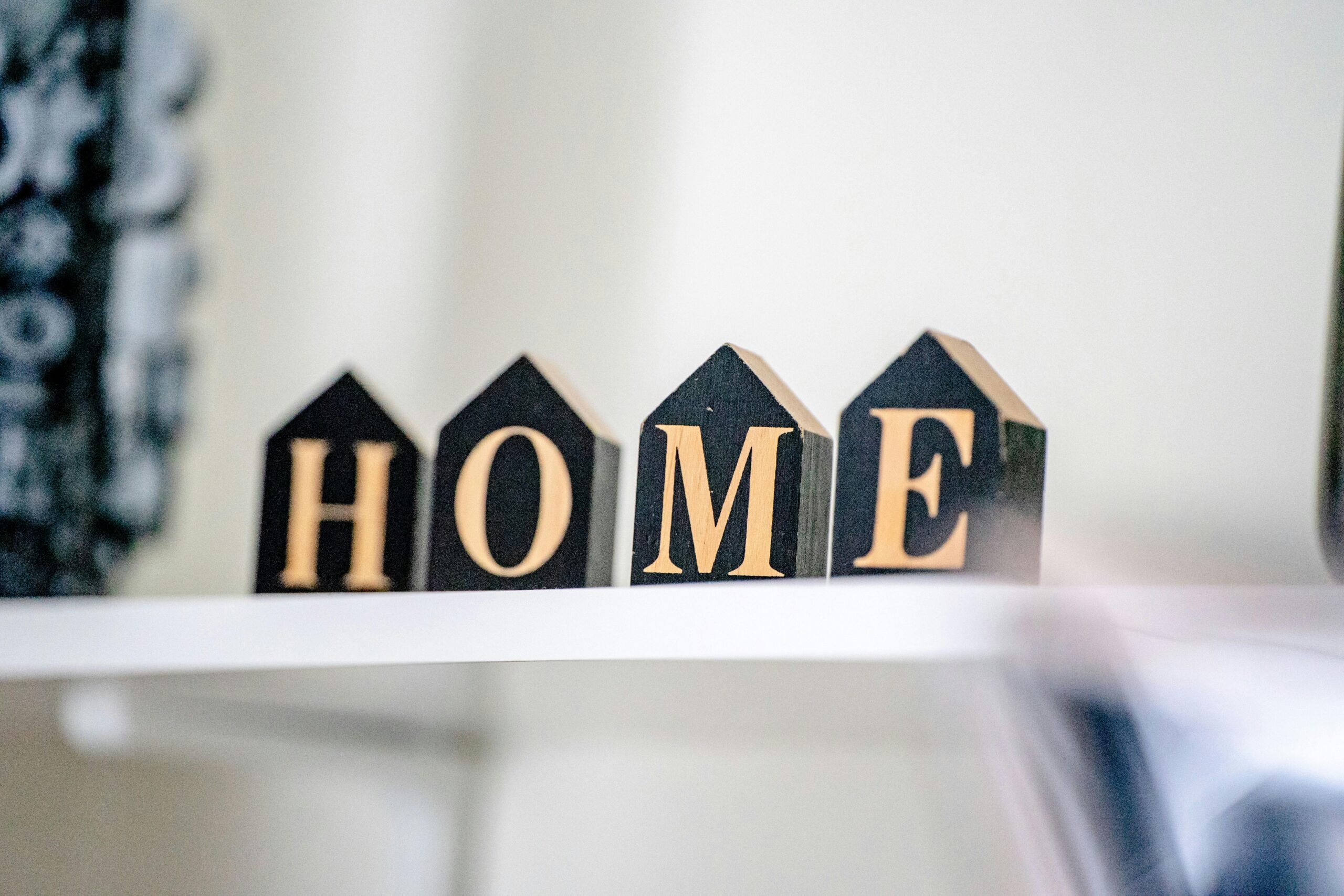
Finding furniture isn’t hard for most people. They have a hard time getting everything to work together. You buy a couch you like, a rug that looks good to you, and a set of cushions that look great in the store. Then you get home, put everything in order, and the room still feels strange. The pieces don’t talk to each other. It doesn’t feel like you in the space. Mintpaldecor fills that gap.
Mintpaldecor is a place to shop for home decor that is based on the idea that any home can be a dream home, no matter how much money you have, how big it is, or what style it is. The right advice can make all the difference when you’re decorating a studio apartment, updating a family room, or building your dream home from the ground up.
This article will help you with that. With honest, experience-based advice that helps you save money and avoid mistakes, room by room and decision by decision.
What makes a house feel like a dream home?
You need to answer one question before you move any furniture or choose a paint color
What do you want to feel when you walk in?
That feeling guides every design choice that follows.
Some people want peace, with soft neutrals, clean lines, and surfaces that aren’t too busy. Others want warmth, like layers of textures, deep colors, and shelves full of books and memories. Some people want a place that will wow their guests. Some people want a space that feels like a cozy sweater.
There is nothing wrong with any of these. But if you design without knowing what you want, your rooms will feel random—like a bunch of nice things that don’t make a home.
The Three Things That Make a Dream Home
Cohesion—Every room should feel like it belongs in the house. Not the same, but similar. There should be a clear flow of colors, materials, and style from one room to the next.
Functionality—Spaces that look nice but don’t work in real life can be very frustrating. These things are just as important as how things look: storage, traffic flow, and lighting for tasks.
Personality—The part that most people miss. Your home should have things and choices that are unique to you. Not just “modern” or “farmhouse,” but the things, memories, and tastes that make you who you are.
Insider Tip: Before you buy anything new, make sure you know exactly what you have. People have a lot of strong decor items hidden away in closets or stacked up in corners. It doesn’t cost anything to rearrange and restyle what you already have, and it often gives you more personal results than buying a whole new room full of furniture.
How to Change Your Home Room by Room
The Living Room: Where First Impressions Happen
The living room has more design pressure than any other room. It’s where your family spends most of their time together and where guests get their first impression of your home. It’s important to get it right.
Begin with the sofa anchor: The sofa is what holds the room together. Everything else, like the size of the rug, the height of the coffee table, the placement of the lighting, and the accent chairs, is based on it. If you want to change the accent colors over time, pick a couch with a neutral base color. If you’re going to stick with a certain color scheme, be bolder.
Get the rug size right. This is the most common mistake people make in their living rooms. The rug should be big enough for the front legs of all the main pieces of furniture to sit on it. When furniture is placed along the edges of a floating rug in the middle of the room, the room feels disconnected and smaller than it really is.
Add layers to your lighting: A single overhead light source never looks good in a living room. You need three kinds: ambient (ceiling lights), task (reading lamps, desk lights), and accent (floor lamps, picture lights, and candles). The mix gives you control over mood and makes things feel deeper.
Include one statement piece: There should be one thing in the room that is interesting enough to look at on its own, like a big piece of art, an oversized mirror, or a bold bookcase. It provides the visual story with a foundation and something for guests to respond to.
Insider Tip: The biggest mistake people make in their living rooms isn’t bad taste; it’s size. People buy furniture that is too small for the room because they think it will make them look modest. A bigger sofa, rug, and lamps almost always make a room feel better, not smaller. If you’re not sure, go bigger.
The Bedroom: Make It a Place to Sleep, Not a Place to Work
People often forget their bedrooms when decorating their homes. People pay more attention to public spaces than to their bedrooms. That’s wrong; the bedroom is where you start and end each day. The way it feels affects how well you sleep and how you feel when you wake up.
Make the bed right: A bed that is made up correctly changes a bedroom more than anything else. You need a fitted sheet, a flat sheet or duvet, at least 3 pillows per person, and 2 to 4 decorative pillows. The different textures and heights make the room feel planned and welcoming.
Control the light: Blackout curtains are one of the best things you can buy for your bedroom if natural light wakes you up before you’re ready. Hang them high, near the ceiling, and wide, so that they stick out 15 to 20 cm on each side of the window frame. They’ll make the window look bigger and block out all the light.
Get rid of visual clutter: Clutter in a bedroom makes it hard to sleep because it makes noise in your mind. This doesn’t mean you have to live with less. It means finding a place for everything: closed storage for most things and open display for the few things that really make you happy.
Pick warm light bulbs: The color temperature of bedroom lighting should be between 2700K and 3000K. Your brain thinks bright, cool light (5000K+) means you’re awake, which makes it harder to fall asleep at night.
Insider Tip: The quickest way to improve any bedroom is to put bedside tables with lamps on both sides, even in a room for one person. Symmetry gives a feeling of calm, purpose, and order that asymmetrical arrangements don’t often get.
The Kitchen: Function First, Beauty Second
The kitchen is the only room in the house where function should come before style in every design choice. A pretty kitchen that doesn’t work well is just a costly annoyance.
Make your work triangle as efficient as possible: The classic kitchen design rule still applies: the space between your refrigerator, sink, and cooktop should form a triangle that works well. Islands, appliances that are in the wrong place, and narrow passages all get in the way of cooking every day.
Invest in hardware: One of the cheapest ways to completely change a kitchen’s look is to update the cabinet hardware. Replacing old handles and knobs with brushed brass, matte black, or gunmetal ones takes only a few hours and costs very little. It can make a kitchen look ten years younger.
Put lights under the cabinets: Task lighting under upper cabinets makes the kitchen work better and feel better. LED strip lights are cheap, easy to put up, and make preparing food on the counter much easier. They also add a warm, layered glow in the evenings.
Use open shelving wisely: Open shelving looks great in kitchen photos, but it only works if you promise to keep it neat and organized. Show off things you really use and think are beautiful, like nice glassware, ceramic bowls, and cookbooks with good spines. Don’t show off plastic containers, mismatched mugs, or things you never use.
Insider Tip: Repaint or line the inside of your kitchen cabinets. Even if the exterior looks normal, the kitchen feels more thoughtfully planned when you open a cabinet door and see a splash of color or a clean, new liner inside. It’s a small touch that shows you care and pay attention to every part of the space.
The bathroom: a small space with a big effect
The bathroom is small. But small spaces change a lot when you improve them because you can see and touch every detail. A well-decorated bathroom feels like a private getaway. One that isn’t taken care of brings down the whole house.
Change the fabrics first: The best and cheapest changes you can make to any bathroom are to get new towels, a new bath mat, and a new shower curtain. Pick thick, high-quality towels that match in color. Usually, two to three colors that go well together will do. Then, fold or roll them up carefully.
Look at the mirror: A builder-grade frameless mirror is often the oldest thing in a bathroom. It costs between $50 and $300 to replace it with a framed mirror, an arch mirror, or two mirrors on a double vanity. This changes the room’s look and feel.
Include plants that can handle humidity: Pothos, peace lilies, spider plants, and snake plants all do well in bathrooms. A single green plant in a ceramic pot can turn a bathroom from a place to do business into a spa. Plants bring life, texture, and color that nothing else can.
Upgrade the fixtures where you can: It’s common for bathroom fixtures to be made of different metals, like taps, towel bars, toilet paper holders, and light switch plates. You don’t have to change all of them, but matching two or three key fixtures—like all brushed nickel or all matte black—makes the room look more put together without a full renovation.
Insider Tip: A diffuser with a well-blended selection of essential oils is better than almost any other visual upgrade for enhancing the atmosphere in your bathroom. People notice how a house smells before they notice how it looks. The smells of cedar, eucalyptus, and clean linen are fresh and purposeful without being too strong.
The Home Office: Made to Help You Focus
The home office is no longer just a nice-to-have; it’s a must-have. Your productivity and mental energy are directly affected by a space that helps you focus, keeps you from getting distracted, and feels good to be in.
Set up your desk correctly: If you can, place it so it faces a window or is at a 90-degree angle to it. Natural light from the side reduces screen glare and provides the mental benefits of daylight. Don’t sit with your back to a window; the backlight makes video calls harder.
Take charge of your background: If you work on video calls, the background you see is important. A bookcase with a style, a wall with one or two pieces of art, or a well-organized desk area all look professional and planned. A messy, dark, or chaotic background sends the opposite message.
Put your money into your chair first: A good ergonomic chair is the best investment you can make for your home office. You spend more time in it than anything else in the room. A chair that hurts and doesn’t support you can change your posture, make it hard to focus, and leave you feeling drained by mid-afternoon. Before you think about decorating, get the best chair you can afford.
Make the sound softer: Hard floors, bare walls, and sparse furniture can create echo and background noise, making it hard to concentrate. Without any soundproofing products, rugs, curtains, bookshelves full of books, and upholstered furniture can all absorb sound and make the room quieter.
Insider Tip: A single large piece of art or a gallery wall behind your desk does double duty: it makes your workspace look better and provides a professional, planned background for video calls. Pick something that shows what you care about or what you value. It makes for a natural conversation starter and shows who you are.
The Most Common Mistakes People Make When Decorating Their Homes (And How to Avoid Them)
These traps can catch even people who are good at seeing things. Recognizing them will save you time, money, and trouble.
Getting Furniture Without Measuring
This should be obvious, but it happens all the time. A sofa that looks good in a big showroom can look too big in a normal-sized living room. Always measure your space, use painter’s tape to outline the footprint of big pieces on the floor, and then live with the outline for a day before making a decision.
Putting Everything Together Too Closely
A room with a sofa, curtains, cushions, and a rug that are all the same color looks flat and dead. Real rooms need differences and contrasts. Combine warm and cool colors. Mix matte and shiny surfaces. Combine shapes that are both organic and geometric.
Skipping the Last Layer
Most people only buy furniture. Cushions, throws, books, plants, candles, trays, and artwork are all finishing touches that make a space feel lived-in and designed—plan and budget for them from the beginning, not as an afterthought.
Not Paying Attention to Scale and Proportion
A big wall with small art on it. A small rug under a large sectional. One chair in a big corner. The most common reason a room that was meant to look good doesn’t is that the scales are wrong. Learn to look at proportion before style.
Hurrying the Process
Over time, the best homes are built. Don’t give in to the urge to finish every room at once. A few great pieces with intentional space are better than a room full of rushed compromises. Before you finish a space, live in it. This will help you understand how you really use it and what it really needs.
How Mintpaldecor Helps You Plan Your Decor with Confidence
Mintpaldecor knows that choosing decorations can feel like a big deal. You’re spending money on things that are hard to return, picking colors that will last for years, and trying to find things that match your idea of “home” with what’s actually available.
The platform has a wide range of curated product selections, room ideas, how-to guides, and style tips for every budget and taste. Mintpaldecor can help you get from where your home is now to where you want it to be, no matter if you like minimalist Scandinavian, warm maximalist, industrial loft, or classic traditional styles.
You don’t need to spend a lot of money on a designer and don’t need to fix anything. You need to be clear about your style, your priorities, and what you want to do next.
Mintpaldecor helps you see things clearly, one room at a time.
Questions People Ask a Lot
What do I need to do to start decorating my home from scratch?
Instead of thinking about how you want each room to look, think about how you want it to feel. First, think about how you feel, then how it looks. Then start with the room you use most, usually the living room or bedroom, and work your way through each one. Before you buy anything, make sure to measure it.
What room should you decorate first?
First, decorate your bedroom. It’s the first and last thing you do every day. A calm, well-designed bedroom helps you sleep better and makes your mornings better. These benefits affect every part of your life, not just your home.
How can I decorate without spending a lot of money?
First, make changes that will have a big effect but don’t cost much. These include painting, changing the fabrics, changing the lighting, and moving things around. You can change the look of a room without spending a lot of money with these four tools. Don’t buy a lot of cheap things; instead, save up for fewer, better ones.
What kind of interior design is best for me?
Get pictures of rooms that make you feel something, like from magazines, social media, or hotel lobbies. After looking at 20 to 30 pictures, you’ll start to see patterns in color, texture, and style. That collection is your own style guide, and it’s more accurate than any quiz.
What can I do to make a small room look bigger?
Light colors should be used on the walls and ceilings. Pick furniture with legs (this makes the floor space look more open). Put the curtains up high and wide. Instead of many small rugs, use one large one. Also, get rid of extra stuff. Too much stuff makes a room feel smaller.
Does the way you decorate your home really affect your mood and health?
Yes, a lot. Studies show that the physical environment has a big effect on stress levels, cognitive performance, and mood. Natural light, plants, tidy spaces, and personalized environments all make mood and health better in ways that can be measured.
You don’t have to pay a lot of money to get your dream home. It’s a series of well-thought-out choices away. Mintpaldecor is here to help you do them right.