

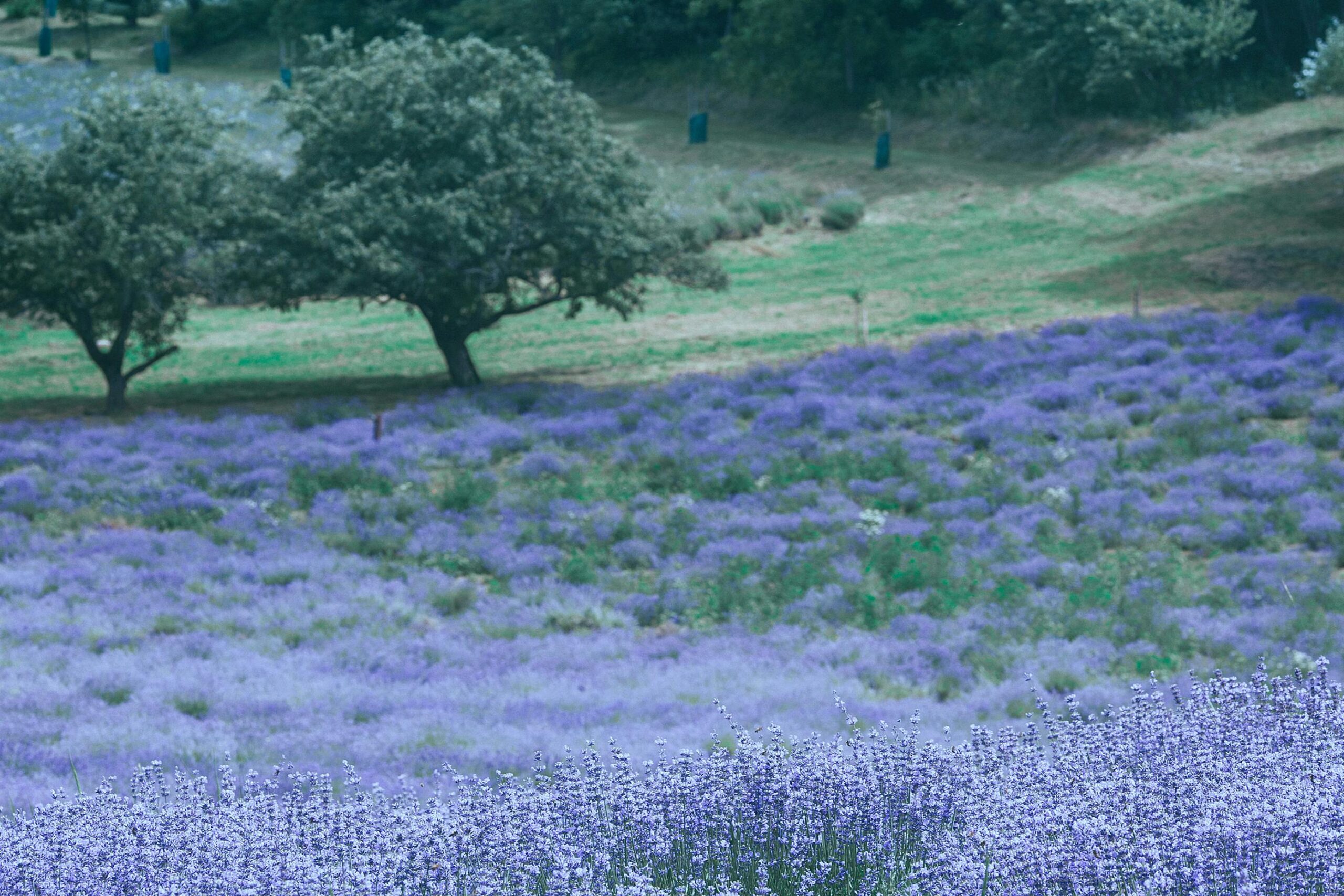
Lavender is one of the most rewarding plants you can grow at home. Its calming scent, beautiful purple blooms, and low maintenance needs make it a favorite among gardeners. But growing lavender in Texas comes with unique challenges. The heat, humidity, and soil conditions can make or break your success.
The good news? With the right approach, you can grow healthy, fragrant lavender plants—even in tough Texas conditions.
This guide walks you through everything you need to know. From choosing the right variety to planting, watering, and harvesting, you’ll learn how to grow lavender successfully in Texas.
Why Grow Lavender in Texas?
Lavender offers more than just beauty. It’s a practical plant with many benefits:
- Adds color and fragrance to your garden
- Attracts pollinators like bees and butterflies
- Repels pests such as mosquitoes
- Can be used for cooking, oils, and crafts
- Requires less water than many other plants
Despite Texas heat, lavender can thrive if you work with the climate instead of against it.
Understanding Texas Growing Conditions
Before planting, it’s important to understand what you’re working with.
Climate Challenges
Texas weather varies by region, but most areas share these traits:
- Hot summers (often above 90°F)
- High humidity in many regions
- Occasional heavy rainfall
- Mild to cool winters
Lavender prefers dry, sunny environments. That means Texas humidity is often the biggest obstacle—not the heat.
Best Lavender Varieties for Texas
Not all lavender types grow well in Texas. Choosing the right variety is the first step to success.
1. Spanish Lavender (Best Overall Choice)
- Handles heat and humidity well
- Distinct “rabbit ear” blooms
- Blooms multiple times a year
2. French Lavender
- Tolerates warmer climates
- Long blooming season
- Slightly less fragrant than English types
3. English Lavender (Use with Caution)
- Loves cooler, drier climates
- Struggles in Texas humidity
- Works better in North Texas with proper care
If you’re new to lavender, start with Spanish or French varieties. They are more forgiving.
Choosing the Right Location
Lavender needs the right environment to thrive. Placement matters more than most people realize.
Sunlight Requirements
Lavender loves full sun.
- Needs at least 6–8 hours of direct sunlight daily
- More sunlight means better blooms and stronger scent
Avoid shady areas. Too much shade leads to weak plants and fewer flowers.
Soil: The Most Important Factor
If there’s one thing lavender hates, it’s wet soil.
Ideal Soil Conditions
- Well-draining soil is essential
- Slightly alkaline pH (6.5–7.5)
- Sandy or rocky texture
Improving Texas Soil
Many Texas soils are clay-heavy. Clay holds water, which can cause root rot.
Here’s how to fix it:
- Mix in sand or gravel
- Add compost for structure
- Use raised beds if drainage is poor
A simple test: after watering, if water sits on the surface, your soil needs improvement.
Planting Lavender in Texas
Timing and technique both matter.
When to Plant
- Best time: early spring or fall
- Avoid planting during peak summer heat
Planting during mild weather helps roots establish before extreme temperatures hit.
How to Plant
- Dig a hole twice the width of the root ball
- Mix in sand or gravel for drainage
- Place the plant slightly above soil level
- Fill the hole and gently press soil down
- Water lightly
Spacing is important. Leave about 2–3 feet between plants for airflow.
Watering Lavender the Right Way
Overwatering is the most common mistake.
Watering Guidelines
- Water deeply but infrequently
- Let soil dry out between watering
- Reduce watering once plants are established
In Texas heat, you might water once or twice a week. But always check the soil first.
Dealing with Texas Humidity
Humidity can lead to fungal problems and root rot.
Tips to Manage Humidity
- Space plants properly for airflow
- Avoid overhead watering
- Plant in raised beds or slopes
- Use gravel mulch instead of organic mulch
Good airflow is your best defense.
Fertilizing Lavender
Lavender does not need much fertilizer.
Simple Rule
Less is more.
- Use a light compost mix at planting
- Avoid heavy fertilizers
- Too much feeding reduces fragrance and flowers
Lavender grows best in lean soil.
Pruning for Health and Growth
Pruning keeps lavender plants compact and productive.
When to Prune
- Light pruning after each bloom
- Heavier pruning in early spring
How to Prune
- Cut back about one-third of the plant
- Never cut into woody stems
- Remove dead or weak growth
Regular pruning encourages more blooms and prevents the plant from becoming woody.
Common Problems and Solutions
Even with good care, issues can happen.
Root Rot
Cause: Too much water or poor drainage
Solution: Improve soil drainage and reduce watering
Fungal Diseases
Cause: High humidity and poor airflow
Solution: Space plants and avoid wet leave
Pests
Lavender is naturally pest-resistant. But occasionally you may see:
- Aphids
- Whiteflies
Fix: Use a strong spray of water or mild insecticidal soap.
Growing Lavender in Containers
If your soil is difficult, containers are a great option.
Benefits of Container Growing
- Better control over soil and drainage
- Easy to move plants for sunlight
- Reduced risk of root rot
Container Tips
- Use pots with drainage holes
- Choose a sandy potting mix
- Water only when soil is dry
Containers are perfect for patios and small spaces.
Harvesting Lavender
Harvesting is one of the most enjoyable parts of growing lavender.
When to Harvest
- Cut when buds are just starting to open
- Morning is the best time (after dew dries)
How to Harvest
- Use sharp scissors or pruning shears
- Cut long stems just above leaves
- Bundle stems for drying
Frequent harvesting encourages more blooms.
Drying and Using Lavender
Once harvested, lavender can be used in many ways.
Drying Lavender
- Tie stems into small bundles
- Hang upside down in a dry, dark place
- Allow 1–2 weeks to dry
Ways to Use Lavender
- Homemade sachets
- Essential oils
- Tea and cooking
- Bath products
- Decorative arrangements
Growing your own gives you fresh, chemical-free lavender.
Seasonal Care Tips
Each season requires a slightly different approach.
Spring
- Plant new lavender
- Prune lightly
- Start watering routine
Summer
- Watch watering carefully
- Provide excellent drainage
- Avoid overhandling plants in extreme heat
Fall
- Ideal time for planting
- Reduce watering gradually
- Prepare plants for cooler weather
Winter
- Minimal care needed
- Protect from excessive rain
- Avoid overwatering
Pro Tips for Success in Texas
Want better results? These expert tips make a big difference:
- Always prioritize drainage over everything else
- Choose heat-tolerant varieties
- Avoid crowding plants
- Use gravel mulch to keep roots dry
- Don’t over-love your lavender (less water, less fertilizer)
Lavender thrives on neglect more than attention.
Final Thoughts
Growing lavender in Texas is absolutely possible. You just need to adjust your approach to match the climate.
Focus on three key things:
- Excellent drainage
- Plenty of sunlight
- Minimal watering
Start with the right variety, give it space to breathe, and avoid overwatering. Do that, and your lavender will reward you with beautiful blooms and a relaxing scent year after year.
With patience and the right care, your Texas garden can become a thriving lavender haven.