

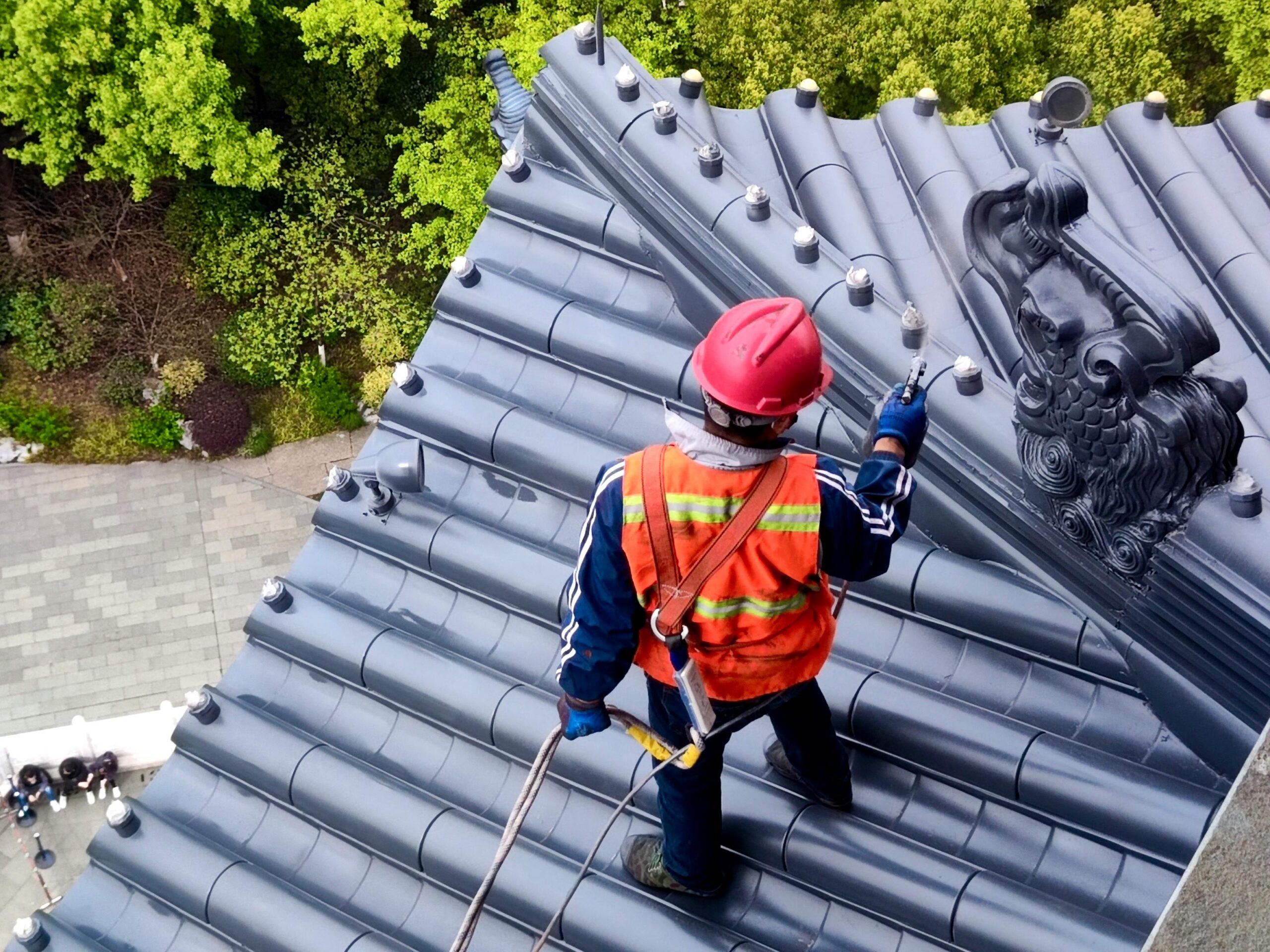
Rainy season Maintenance is the real test of any roof. Small cracks, loose tiles, clogged drainage, or weak sealing often stay unnoticed during dry months. Once heavy rain starts, these hidden issues quickly turn into leaks, damp walls, mold growth, and structural damage.
Roof maintenance is not just repair work. It is preventive protection that saves money, prevents health risks, and extends the life of your home.
This guide explains how to prepare, inspect, and maintain your roof during the rainy season using practical steps, expert methods, and real-world maintenance strategies used by professional contractors.
1. Understanding How Rain Damages Roofs
Rain does not damage roofs instantly. It weakens them gradually.
Main ways rain causes roof problems:
- Water seepage through cracks
- Tile displacement due to wind
- Blocked drainage causing water pooling
- Dampness leading to structural weakening
- Mold and mildew formation
Expert insight:
Most roof leaks are not caused by heavy rain itself but by pre-existing small issues that were never repaired.
2. Pre-Rainy Season Roof Inspection Checklist
A proper inspection before rainfall can prevent major damage.
2.1 Check Roof Surface Condition
Look for:
- Cracked tiles
- Broken shingles
- Loose roofing sheets
- Visible gaps
Even small cracks can expand during heavy rain.
2.2 Inspect Roof Joints and Seals
Roof joints are common weak points.
Check:
- Sealant condition
- Metal flashing integrity
- Edges and corners
Insider tip:
Most leaks start from roof edges, not the center surface.
2.3 Examine Ceiling Inside the House
Indoor signs of roof issues:
- Water stains
- Yellow patches
- Peeling paint
- Damp smell
These signs indicate hidden leakage.
3. Cleaning the Roof Before Rainy Season
Cleaning is one of the most important maintenance steps.
3.1 Remove Debris
Clear:
- Leaves
- Dust
- Branches
- Dirt buildup
Debris traps water and blocks drainage.
3.2 Clean Gutters and Drains
Blocked gutters cause overflow.
Ensure:
- Water flows freely
- No clogging in pipes
- Downspouts are clear
Expert insight:
90% of roof overflow issues come from blocked gutters, not roof damage.
3.3 Remove Moss and Algae
Moist environments encourage growth.
Use:
- Mild cleaning solutions
- Soft brushes
- Low-pressure water
4. Waterproofing: The Key to Leak Prevention
Waterproofing protects roof surfaces from moisture penetration.
4.1 Roof Coating Solutions
Common options:
- Acrylic coatings
- Bitumen layers
- Elastomeric waterproofing
4.2 Sealant Application
Sealants are used for:
- Cracks
- Joints
- Corners
They act as protective barriers.
Insider tip:
Reapply sealant every 1–2 years in high rainfall regions for maximum protection.
5. Fixing Roof Cracks and Small Damages
Small problems should never be ignored.
5.1 Hairline Cracks
Repair using:
- Waterproof filler
- Roof sealant
5.2 Larger Cracks
May require:
- Cement patching
- Professional repair work
5.3 Broken Tiles or Sheets
Replace immediately to avoid water entry.
6. Drainage System Maintenance
Proper drainage is critical during heavy rain.
6.1 Check Water Flow Direction
Ensure water moves away from:
- Roof surface
- House foundation
6.2 Gutter Alignment
Incorrect slope causes water pooling.
Fix:
- Loose brackets
- Sagging gutters
Expert insight:
Even a slight gutter tilt can cause long-term water damage if ignored.
7. Common Roof Problems During Rainy Season
7.1 Roof Leakage
Caused by:
- Cracks
- Poor sealing
- Aging materials
7.2 Ceiling Dampness
Indicates hidden water entry.
7.3 Mold Growth
Forms due to constant moisture exposure.
7.4 Roof Sagging
Occurs when water accumulates over time.
8. Emergency Roof Protection During Heavy Rain
Sometimes repairs are not possible during storms.
8.1 Temporary Covering
Use:
- Waterproof tarpaulin
- Plastic sheets
8.2 Bucket Placement Indoors
Place containers under leaks to prevent damage.
8.3 Seal Quick Fixes
Temporary sealants can reduce leakage until repair is possible.
Insider tip:
Always keep a basic roof emergency kit before rainy season starts.
9. Best Materials for Rain-Resistant Roofing
Material choice affects durability.
9.1 Metal Roofing
- Strong durability
- Fast water drainage
- Long lifespan
9.2 Clay Tiles
- Natural insulation
- Traditional look
- Requires proper sealing
9.3 Concrete Roofs
- Solid structure
- Needs waterproof coating
9.4 Asphalt Shingles
- Flexible design
- Good rain resistance
10. Preventive Maintenance Schedule
Regular maintenance prevents major repairs.
Before Rainy Season:
- Roof inspection
- Cleaning gutters
- Waterproof coating check
During Rainy Season:
- Monitor leaks
- Clear visible debris
- Check indoor dampness
After Rainy Season:
- Repair damage
- Repaint affected areas
- Re-seal joints
11. Common Mistakes Homeowners Make
11.1 Ignoring Small Leaks
Small leaks grow into structural damage.
11.2 Delaying Repairs
Postponing repairs increases cost significantly.
11.3 Using Low-Quality Sealants
Cheap materials fail quickly under heavy rain.
11.4 Not Cleaning Gutters Regularly
This is the most common avoidable mistake.
12. Insider Tips from Roofing Professionals
Tip 1: Inspect Roof After Every Major Storm
Damage often appears after wind + rain combination.
Tip 2: Focus on Roof Edges First
Edges are more vulnerable than flat surfaces.
Tip 3: Use Water Test for Leak Detection
Controlled water flow helps locate hidden leaks.
Tip 4: Don’t Ignore Slight Ceiling Discoloration
It often indicates early-stage leakage.
Tip 5: Schedule Annual Professional Inspection
Experts can identify hidden structural issues early.
13. When to Call a Professional Roofer
Call experts when:
- Leaks are recurring
- Structural damage is visible
- Roof sagging occurs
- Waterproofing fails repeatedly
Professional assessment prevents long-term damage.
Conclusion: Strong Rainy Roof Maintenance Means Safe Home Protection
Rainy season roof maintenance is not optional it is essential protection for your home. Most roof damage starts small and becomes expensive only when ignored.
A strong maintenance routine includes:
- Regular inspection
- Proper cleaning
- Effective waterproofing
- Quick repairs
- Drainage management
With consistent care and timely action, your roof can withstand heavy rainfall and protect your home for years without major issues.