
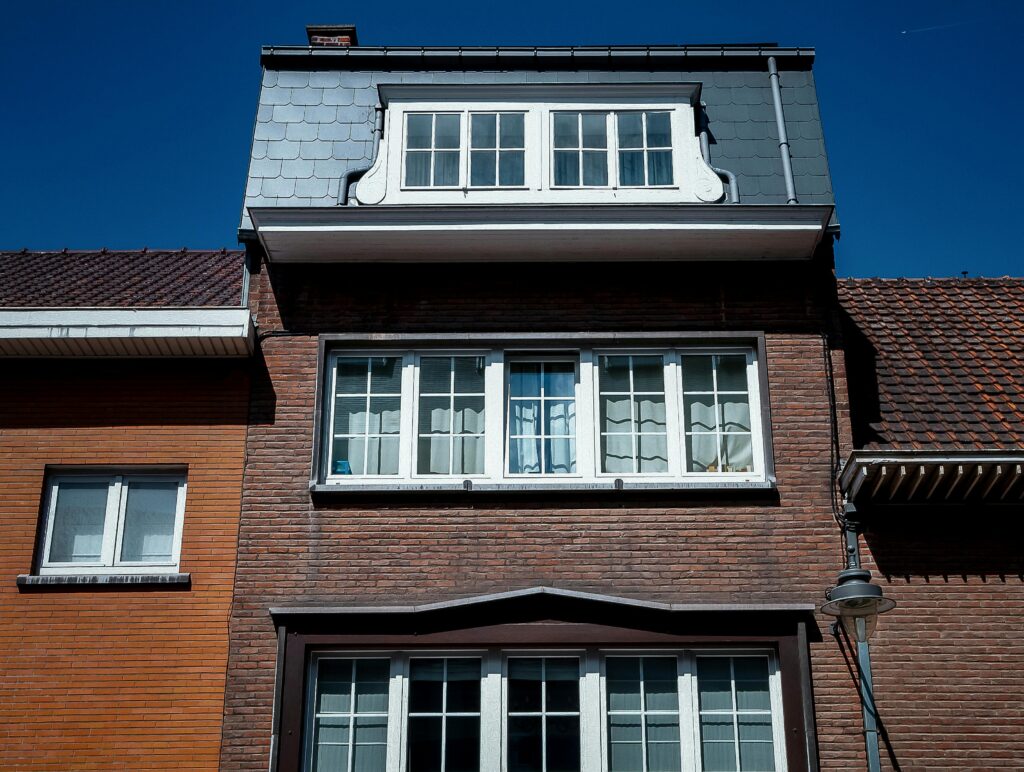
If you’re looking at your roof and thinking, “Can I turn that space into something useful?” you’re not alone. Dormers often come up when people want more light, more room, or just a better layout upstairs. Yes, dormers can be built from living space. In most homes, dormers are added to existing living areas like attics or upper floors to create more usable space, headroom, and natural light—as long as building rules are followed.
Now let’s break it down in a simple way.
What does “from living space” actually mean?
When people ask this, they usually mean one thing:
Can a dormer be added to a space that people already live in, like an attic bedroom or upper floor?
The answer is yes. Dormers are commonly built as part of a home’s living area, not storage-only spaces.
How dormers work in living spaces
Dormers are small structures that stick out from the roof. They change the shape of the roof so the inside space becomes more useful.
They add headroom
Sloped ceilings can make rooms feel tight. A dormer lifts part of the roof so you can stand, walk, or place furniture comfortably.
They bring in natural light
Dormer windows let in sunlight, which makes rooms feel bigger and more welcoming.
They improve room layout
With a dormer, you can add:
- A bedroom
- A home office
- A bathroom
- A reading nook
This is why dormers are popular in attic conversions.
Rules you need to know before adding a dormer
You usually can’t just build one without checking a few things.
Local building rules
Most areas allow dormers, but size and placement matter. Some need permits, others don’t.
Safety standards
Living spaces must meet rules for:
- Ceiling height
- Emergency exits (like windows)
- Insulation and airflow
Roof structure
Your roof must be strong enough to support the dormer. This is checked before building starts.
Pros & Cons of Adding a Dormer to Living Space
| Pros | Cons |
|---|---|
| More usable space | Can be costly |
| Better natural light | Needs permits |
| Increases home value | Construction noise |
| Improves comfort | Changes roof look |
Real-world examples
Example 1: Attic bedroom upgrade
A family added a rear dormer to their attic. The space went from storage to a full bedroom with a desk and closet.
Example 2: Small home office
A homeowner working from home added a small dormer for extra headroom and a window. It turned an unused attic corner into a bright office.
Example 3: Bathroom addition
A dormer made enough vertical space to add a shower and toilet upstairs—something impossible before.
FAQs (People Also Ask)
Can a dormer be added to an existing room?
Yes. Dormers are often added to rooms that are already part of the home’s living area.
Does a dormer count as living space?
Yes. Once finished and approved, dormer space is considered livable square footage.
Do dormers increase home value?
In most cases, yes—especially when they add bedrooms or bathrooms.
Is a dormer better than raising the roof?
For many homes, yes. Dormers are usually cheaper and less disruptive.
Can I live in the house while a dormer is built?
Often yes, but expect noise and some disruption during construction.
Final verdict
Dormers can absolutely be built from living space, and they’re one of the smartest ways to add room, light, and value to a home without expanding outward. If your roof structure and local rules allow it, a dormer can turn wasted space into a comfortable, fully usable part of your home.
If you’re trying to make the most of what you already have, a dormer is often worth serious consideration.