

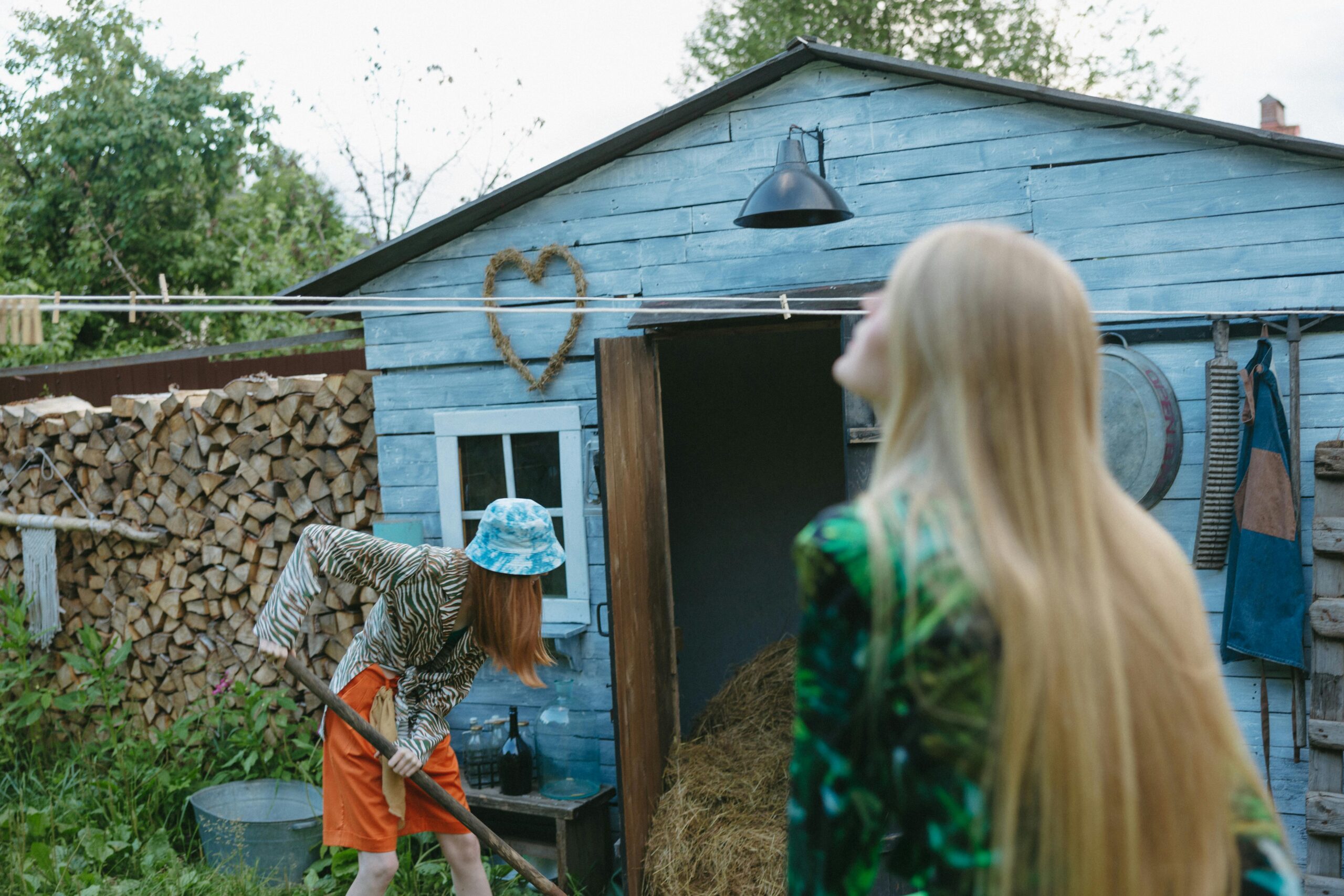
Thinking of putting up a garden shed but don’t want to pour a full concrete slab? You’re not alone. Concrete blocks are one of the easiest and most budget-friendly ways to support a shed—and they work really well when done right. Yes, concrete blocks are a solid foundations for most garden sheds if the ground is level, well-drained, and the shed isn’t too heavy.
Let’s walk through it step by step, like I’m explaining it to a friend over tea.
Why People Use Concrete Blocks for Shed Foundations
Concrete blocks are popular because they are:
- Easy to find
- Cheap compared to slabs
- Simple to install without heavy tools
They lift the shed slightly off the ground, which helps keep moisture away and reduces rot.
This method works best for small to medium sheds, especially wooden or metal ones.
When Concrete Blocks Are a Good Choice
Concrete block foundations are a good option if:
- Your shed is lightweight or medium weight
- You want a quick DIY solution
- The ground is mostly flat
- You don’t want to mix or pour concrete
They’re very common for backyard sheds, tool sheds, and bike sheds.
When You Should NOT Use Concrete Blocks
Concrete blocks are not ideal if:
- The shed is very large or heavy
- You plan to store heavy machines
- The soil is soft or muddy
- Your area floods often
In these cases, a concrete slab or deeper footing is safer.
Types of Concrete Blocks You Can Use
Solid Concrete Blocks
These are heavy and strong. They give better support and last longer.
Hollow Concrete Blocks
Cheaper and lighter, but less strong. They’re okay for very small sheds.
Tip: If you can choose, go with solid blocks. They’re more stable.
How to Prepare the Ground (Very Important)
Most shed problems come from poor ground prep.
Here’s the simple way:
- Clear grass and roots
- Dig down about 4–6 inches
- Add crushed gravel
- Compact it firmly
- Check level in all directions
This keeps blocks from sinking or tilting later.
How to Place Concrete Blocks Correctly
- Place blocks at each corner
- Add blocks under long walls (every 4–6 feet)
- Make sure all blocks are perfectly level
- Use a long spirit level or straight wood plank
Your shed frame should sit flat on all blocks with no gaps.
Pros and Cons of Concrete Block Foundations
| Pros | Cons |
|---|---|
| Cheap and affordable | Not ideal for heavy sheds |
| Easy DIY project | Can shift if ground isn’t prepared |
| No concrete pouring | Needs careful leveling |
| Good air flow under shed | Not great for sloped land |
Real-World Examples
Example 1:
A homeowner used 9 solid concrete blocks for a 6×8 wooden shed. After leveling gravel properly, the shed stayed solid for over 6 years with no sinking.
Example 2:
Another person skipped gravel and placed blocks directly on soil. After one rainy season, the shed tilted and doors stopped closing properly.
The difference? Ground preparation.
FAQs (People Also Ask)
How many concrete blocks do I need for a shed?
Most small sheds need 6–12 blocks. Corners are a must, plus support along long sides.
Do concrete blocks need gravel underneath?
Yes. Gravel helps with drainage and prevents sinking.
Can I put a shed on blocks without anchoring?
You can, but anchoring is better in windy areas. Simple metal anchors work well.
How long do concrete block foundations last?
If installed correctly, they can last 10–20 years or more.
Are concrete blocks better than a concrete slab?
For small sheds, blocks are easier and cheaper. For large sheds, slabs are stronger.
Final Verdict
Concrete block foundations are a smart, simple, and affordable choice for many garden sheds. They work best when the ground is well-prepared and the shed isn’t too heavy.
If you want something quick, DIY-friendly, and proven to work—concrete blocks are hard to beat. Just don’t rush the leveling part. That’s where most people go wrong.