

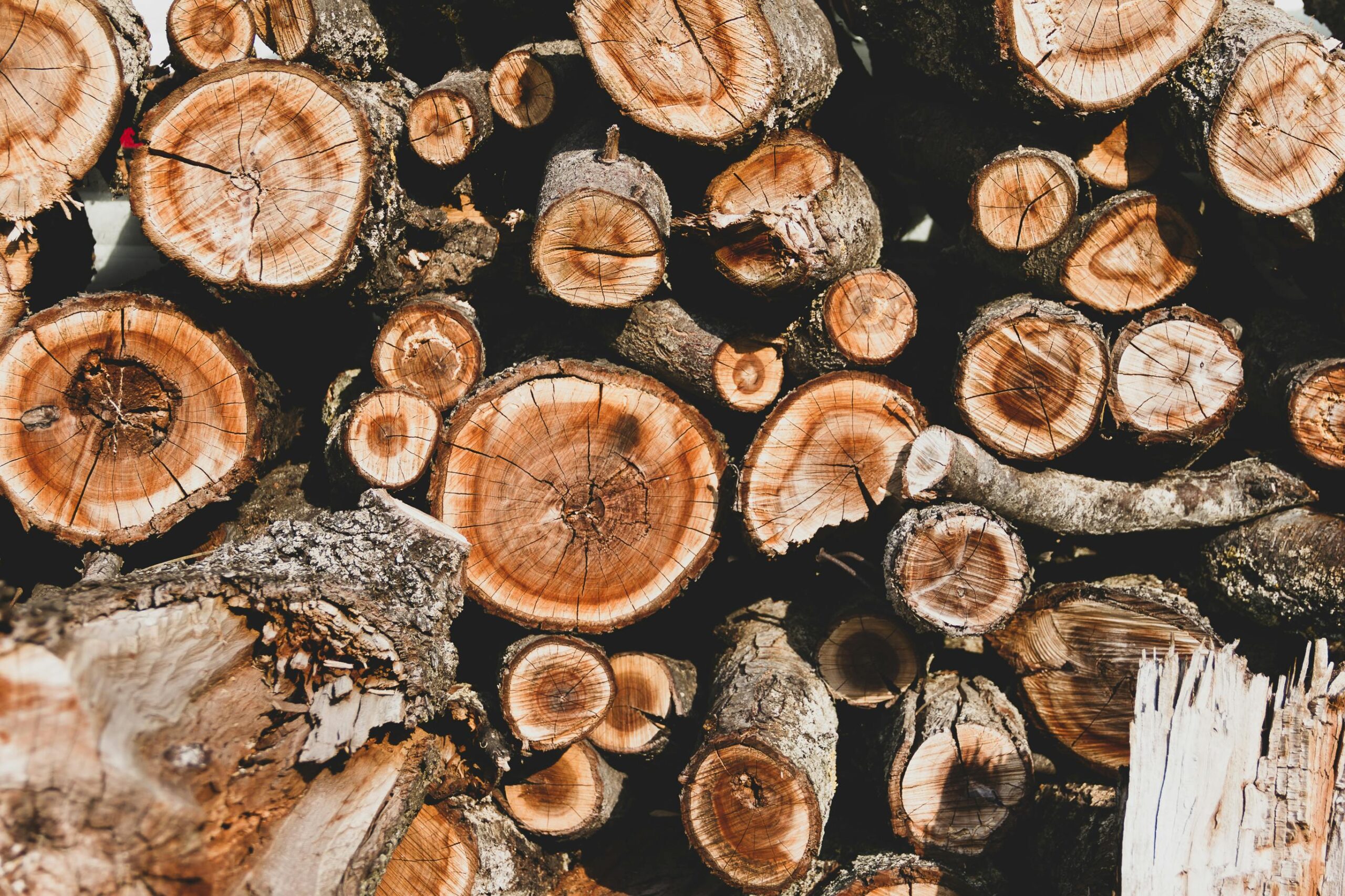
Firewood is one of the oldest heating fuels people still use today. But if you’ve ever tried to buy firewood, you’ve probably heard the term “cord of firewood.” Many buyers don’t actually know what a cord means, how much wood it contains, or whether the price they’re paying is fair.
This guide explains everything in simple terms. You’ll learn what a cord of firewood is, the different sizes sold in the market, average prices, and how to properly season firewood for efficient burning.
By the end, you’ll know exactly how to buy, store, and use firewood without getting confused—or overpaying.
What Is a Cord of Firewood?
A cord of firewood is the standard unit used to measure firewood volume.
A full cord equals 128 cubic feet of stacked wood. The traditional stacked measurement is:
- 4 feet high
- 4 feet deep
- 8 feet long
When stacked neatly, this arrangement forms a rectangular pile that equals 128 cubic feet of wood and air space.
It’s important to understand that a cord measures volume, not weight. The actual weight of a cord varies depending on the type of wood and moisture content.
For example:
| Wood Type | Approximate Weight per Cord |
|---|---|
| Oak | 4,500 – 5,500 lbs |
| Maple | 3,800 – 4,500 lbs |
| Pine | 2,500 – 3,000 lbs |
Hardwoods weigh more because they are denser.
Why the Cord Is the Standard Firewood Measurement
The cord has been used for centuries as a firewood measurement.
Historically, wood was bundled with rope or cord to keep stacks organized during transport. Over time, the word “cord” became the official measurement unit.
Today, many countries and regions still use this system because it provides a consistent way to measure firewood volume.
However, many sellers now offer smaller portions of a cord, which can confuse buyers.
Common Firewood Measurements (Besides a Full Cord)
Not everyone needs a full cord of wood. Because of that, firewood is often sold in smaller quantities.
1. Face Cord (or Rick)
A face cord is one of the most commonly sold firewood bundles.
Dimensions typically are:
- 4 feet high
- 8 feet long
- Depth depends on log length (usually 16–18 inches)
Because the depth varies, a face cord usually equals about one-third of a full cord.
2. Half Cord
A half cord is exactly what it sounds like.
- 64 cubic feet of wood
- Usually stacked 4 feet high × 4 feet deep × 4 feet long
This size works well for homeowners who use fireplaces occasionally.
3. Quarter Cord
A quarter cord equals 32 cubic feet.
Typical stack size:
- 4 feet high
- 4 feet long
- 2 feet deep
This amount is often used for short winter periods or outdoor fire pits.
4. Firewood Bundles
Small bundles are common at:
- Gas stations
- Campgrounds
- Convenience stores
These bundles usually contain 0.6 to 0.75 cubic feet of wood.
They’re convenient but much more expensive per cord.
Firewood Size and Log Length
Most firewood logs are cut to 16 inches long.
This size fits most fireplaces and wood stoves.
Other common lengths include:
- 12 inches – for small stoves
- 18 inches – for large fireplaces
- 24 inches – sometimes used in outdoor furnaces
If logs are longer or shorter than standard size, the volume per cord can change slightly.
Always check the actual stack dimensions when buying.
Average Price of a Cord of Firewood
Firewood prices vary widely depending on location, wood type, and season.
Here’s a general price range in many markets.
| Firewood Type | Average Price per Cord |
|---|---|
| Pine | $120 – $220 |
| Mixed hardwood | $200 – $350 |
| Oak | $300 – $500 |
| Premium hardwood | $350 – $600 |
Several factors affect pricing.
1. Type of Wood
Hardwoods cost more because they:
- Burn longer
- Produce more heat
- Create less creosote
Popular hardwoods include:
- Oak
- Maple
- Hickory
- Ash
Softwoods like pine are cheaper but burn faster.
2. Seasoned vs Green Wood
Seasoned firewood costs more because it has already been dried.
Green wood contains high moisture, which makes it harder to burn.
3. Delivery Costs
Many sellers charge extra for delivery, especially if you live far away.
Delivery fees can range from:
- $20 to $100+
4. Local Supply and Demand
Prices rise during:
- Cold winters
- High heating demand
- Short wood supply
Buying early in the year often saves money.
How Much Firewood Does a Home Need?
The amount of firewood you need depends on how you use it.
Here’s a rough estimate.
| Usage | Firewood Needed per Winter |
|---|---|
| Occasional fireplace | ¼ cord |
| Weekend fires | ½ cord |
| Supplemental heating | 2–3 cords |
| Primary wood heating | 4–6 cords |
Homes in very cold climates often use more.
Well-insulated homes usually burn less wood.
What Is Seasoned Firewood?
Seasoned firewood is wood that has been dried to reduce moisture.
Freshly cut wood can contain 40–60% moisture. Proper seasoning lowers that to 15–20%, which is ideal for burning.
Seasoned wood:
- Lights easily
- Burns hotter
- Produces less smoke
- Creates less chimney buildup
Using green wood wastes energy because much of the heat goes toward evaporating water inside the wood.
How Long Does Firewood Take to Season?
Seasoning time depends on the wood species.
| Wood Type | Seasoning Time |
|---|---|
| Pine | 6–12 months |
| Birch | 6–12 months |
| Maple | 12 months |
| Oak | 18–24 months |
| Hickory | 18–24 months |
Hardwoods take longer because they are denser.
Signs That Firewood Is Properly Seasoned
You can tell seasoned wood by looking for a few key signs.
1. Cracks on the Ends
Seasoned logs usually develop small cracks on the cut ends.
2. Lighter Weight
Dry wood feels much lighter than green wood.
3. Hollow Sound
When two dry logs hit each other, they make a sharp hollow sound.
Green wood produces a dull thud.
4. Loose Bark
Bark often begins to peel off seasoned logs.
How to Season Firewood Properly
If you cut your own firewood, seasoning it correctly is important.
Follow these steps.
1. Split the Wood
Split logs dry much faster than whole rounds.
Large logs can take years to dry if not split.
2. Stack It Off the Ground
Use:
- Pallets
- Concrete blocks
- Firewood racks
Keeping wood off the ground prevents moisture absorption.
3. Stack for Airflow
Stack wood in rows with small gaps between logs.
Good airflow speeds up drying.
4. Cover Only the Top
Cover the top with:
- A tarp
- Metal sheet
- Firewood cover
Leave the sides open so air can circulate.
5. Store in a Sunny Area
Sunlight and wind both help remove moisture from wood.
Best Types of Firewood for Heating
Some woods burn hotter and longer than others.
Best Hardwood Options
| Wood | Benefits |
|---|---|
| Oak | Long burn time, very hot |
| Hickory | Extremely high heat output |
| Maple | Steady burn |
| Ash | Burns even when slightly green |
Good Softwood Options
| Wood | Benefits |
|---|---|
| Pine | Easy to ignite |
| Fir | Good for kindling |
| Cedar | Pleasant aroma |
Softwoods are great for starting fires but burn faster.
Pros and Cons of Buying Firewood by the Cord
| Pros | Cons |
|---|---|
| Standard measurement | Requires storage space |
| Better price per volume | Can be heavy to move |
| Ideal for winter heating | Not always neatly stacked |
| Easy to compare prices | Delivery may cost extra |
Buying full cords usually provides the best value for frequent wood burners.
Firewood Storage Tips
Proper storage keeps wood dry and ready to burn.
Here are practical tips.
Keep wood away from the house.
Store stacks at least 20 feet away to prevent insects from entering your home.
Use a raised rack.
This protects wood from ground moisture.
Avoid stacking directly against walls.
Air circulation is essential.
Bring in small amounts at a time.
This reduces the risk of bringing insects indoors.
Common Firewood Buying Mistakes
Many buyers accidentally overpay or buy poor-quality wood.
Avoid these mistakes.
1. Not Measuring the Stack
Some sellers advertise a cord but deliver less.
Always verify stack dimensions.
2. Buying Green Wood
Green wood burns poorly and produces heavy smoke.
3. Buying During Peak Winter
Prices often increase dramatically in winter.
4. Ignoring Wood Type
Softwoods may look similar but burn much faster.
Always ask what species you’re buying.
Firewood Safety Tips
Burning wood safely protects your home and chimney.
Follow these guidelines.
- Use only seasoned wood
- Clean your chimney once per year
- Install a chimney cap
- Keep firewood dry
- Avoid burning treated or painted wood
Treated wood releases toxic chemicals when burned.
Frequently Asked Questions
How big is a full cord of firewood?
A full cord equals 128 cubic feet of stacked wood. The standard stack size is 4 ft high × 4 ft deep × 8 ft long.
Is a face cord the same as a full cord?
No. A face cord is usually about one-third of a full cord, depending on log length.
How long will a cord of firewood last?
For occasional fires, a cord can last an entire winter. Homes using wood as primary heat may burn 4–6 cords per season.
Can you burn green firewood?
You can, but it burns poorly. Green wood produces more smoke, less heat, and more creosote buildup.
What wood burns the longest?
Dense hardwoods like oak and hickory burn the longest and produce the most heat.
Final Verdict
Understanding the cord of firewood helps you buy wood confidently and avoid common mistakes.
Remember the key points:
- A full cord equals 128 cubic feet of stacked firewood.
- Many sellers offer face cords or half cords, which are smaller portions.
- Hardwood species provide longer burn times and higher heat output.
- Properly seasoned firewood (15–20% moisture) burns cleaner and more efficiently.
If you rely on firewood for heating, buying well-seasoned hardwood by the cord usually gives the best value.
With the right storage and seasoning techniques, your firewood will stay dry, burn hotter, and keep your home warm all winter. 🔥
[…] The total cost of carpet flooring usually includes three things: […]