

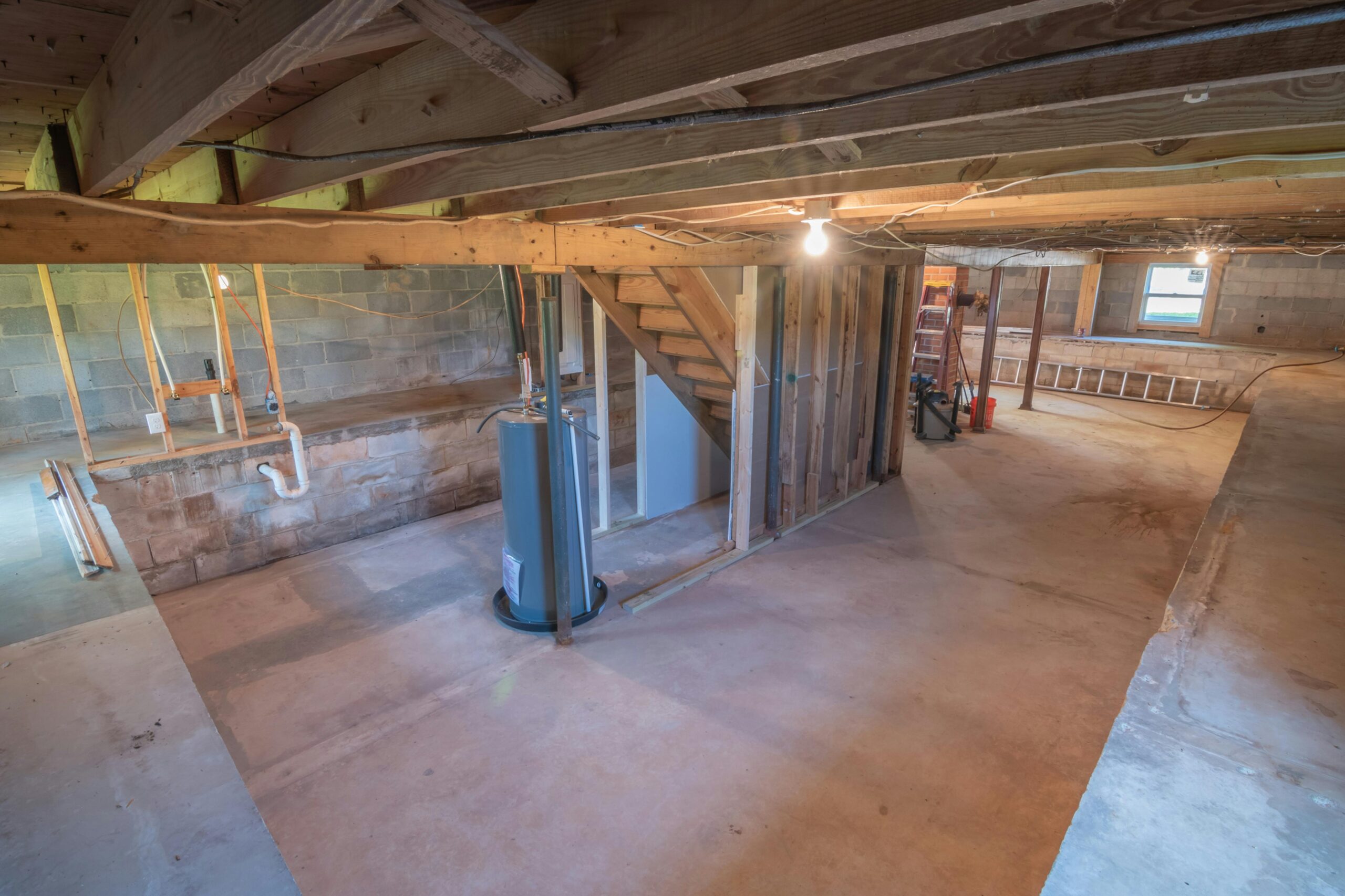
A basement can change how a house looks, feels, and is classified—but does it actually make a home two stories? The answer depends on how the basement is built and how local rules define a “story.” A house with a basement is not usually considered a 2-story home unless the basement is fully above ground and finished as living space. In most cases, basements are classified separately from stories.
What Defines a “Story” in a House?
In architecture and real estate, a story is typically defined as a level of a building that is entirely or mostly above ground and intended for regular living or occupancy.
Key factors used to define a story:
- Floor level relative to ground
- Ceiling height
- Use as habitable space
- Local building codes and zoning laws
This is where basements get tricky.
Is a Basement Considered a Story?
In Most Cases: No
A traditional basement—one that is mostly or fully below ground—is not counted as a story, even if it’s finished.
When a Basement Might Count as a Story
A basement may be considered a story if:
- More than 50% of its height is above ground
- It has full-size windows or exterior doors
- It meets habitable space requirements (ceiling height, ventilation, egress)
- Local building codes classify it as a “story above grade”
This type is often called a walkout basement or daylight basement.
One-Story House With Basement vs Two-Story House
| Feature | 1-Story + Basement | 2-Story House |
|---|---|---|
| Stories above ground | 1 | 2 |
| Basement counted as story | Usually no | N/A |
| Exterior height | Lower | Taller |
| Stair layout | Basement stairs only | Main stairs between floors |
| Zoning classification | Often “single-story” | “Two-story” |
How Building Codes View Basements
Most building codes (including international standards like the IBC) define a story as:
“That portion of a building included between the upper surface of a floor and the upper surface of the floor or roof next above.”
However, stories are usually counted “above grade.”
If the basement floor is below grade, it’s typically excluded.
👉 Always check local zoning and building regulations, as definitions can vary by city or country.
Real-World Examples
Finished Basement in a Ranch Home
A single-story ranch with a fully finished basement is still marketed and zoned as a 1-story home with basement, not a 2-story house.
Walkout Basement on a Slope
A house built on a hill with a walkout basement that opens directly to the backyard may be classified as 2 stories, especially for zoning or height restrictions.
Split-Level Homes
Split-level homes often blur the line, but they’re usually classified separately—not strictly as one- or two-story houses.
Pros & Cons of a House With a Basement
| Pros | Cons |
|---|---|
| Extra living or storage space | May not count toward official square footage |
| Lower construction cost than adding a full story | Can affect resale if buyers expect “2 stories” |
| Better insulation and energy efficiency | Zoning restrictions may limit basement use |
| Flexible use (storage, gym, rental) | Natural light can be limited |
FAQs (People Also Ask)
Is a finished it considered a second floor?
No. A finished basement is usually not considered a second floor unless it is mostly above ground and meets story requirements.
Does a walkout it count as a story?
Sometimes. If it’s mostly above grade and used as living space, local codes may count it as a story.
Does a it add to square footage?
It can add to usable square footage, but it may not be included in official living area calculations for listings or appraisals.
How do appraisers classify basements?
Appraisers typically list basements separately from above-grade living space, even if finished.
Final Verdict
A house with it is not automatically considered a 2-story home. In most cases, it remains a one-story house with it. Only basements that are largely above ground and meet local building definitions may be classified as an additional story. When in doubt, zoning laws—not appearances—make the final call.
If you want, I can also tailor this for real estate listings, zoning compliance, or buyer education—just say the word.
[…] remodeling is one of the smartest ways to use space you already have. With good planning, proper fixes, and simple design choices, your basement can […]