

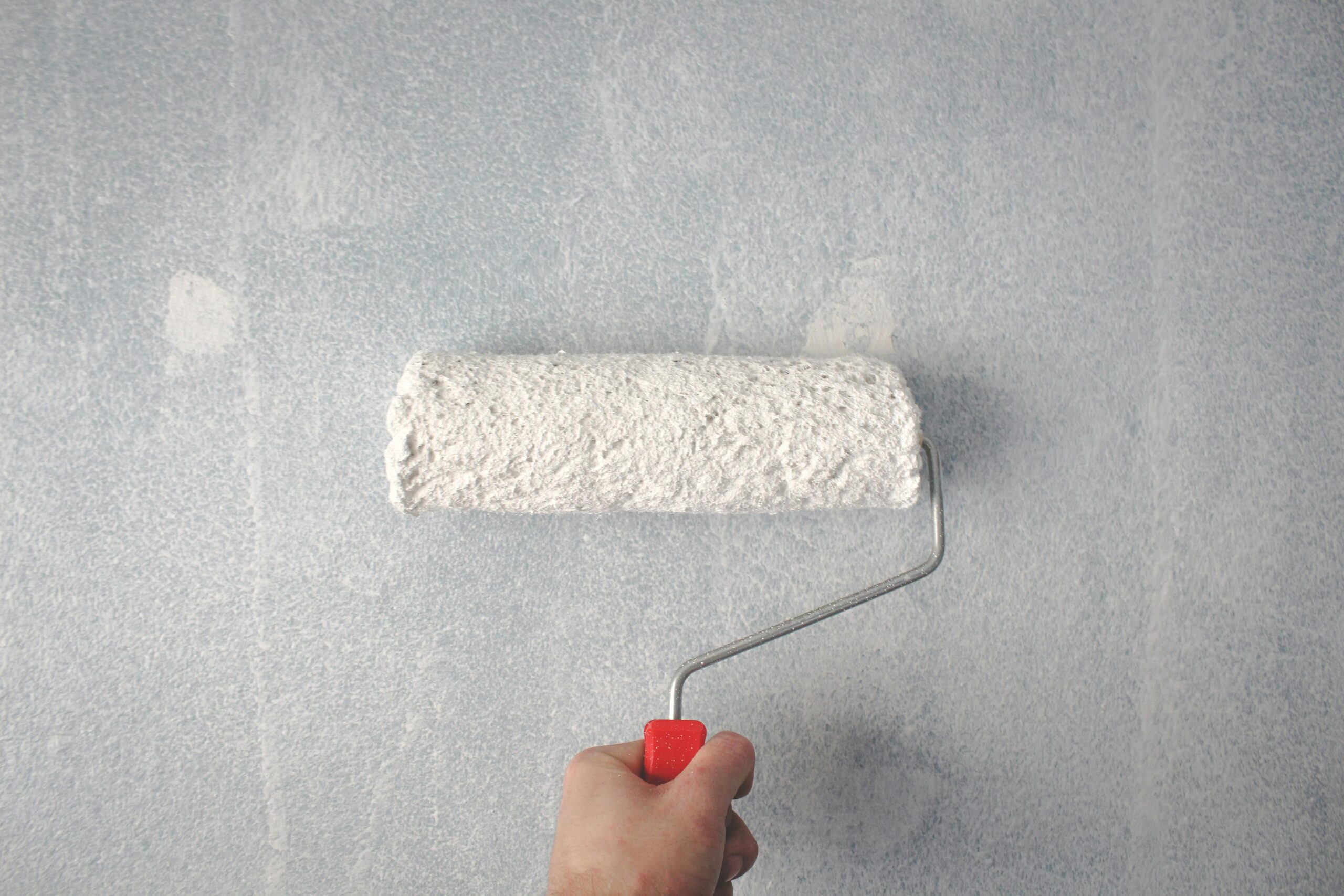
Choosing between eggshell and satin paint can make or break a room’s finish. Both sit in the middle of the sheen scale—but their performance, look, and durability differ more than most people expect. Eggshell paint offers a soft, low-sheen finish that hides wall imperfections, while satin paint has a smoother, slightly glossy surface that’s more durable and easier to clean. Your choice depends on room traffic, lighting, and wall condition.
What Is Eggshell Paint?
Eggshell paint has a subtle sheen—slightly more reflective than flat paint but far from glossy. It gets its name from the soft, velvety look of an eggshell.
When Eggshell Works Best
- Living rooms and bedrooms
- Dining rooms
- Hallways with low to moderate traffic
Practical Benefits
Eggshell paint diffuses light gently, which helps hide small dents, uneven drywall, and patch marks. It’s easier to touch up than shinier finishes and gives walls a warm, elegant appearance.
Limitations
It’s not highly washable. Scrubbing can leave burnish marks, making it less ideal for areas prone to stains or fingerprints.
What Is Satin Paint?
Satin paint has a noticeable sheen that reflects more light than eggshell but less than semi-gloss. It’s known for its durability and smooth finish.
When Satin Works Best
- Kitchens and bathrooms
- Kids’ bedrooms
- High-traffic hallways and stairwells
Practical Benefits
Satin paint resists moisture and stains better, making it easier to clean with a damp cloth. It holds up well in busy households and humid environments.
Limitations
Because it reflects more light, satin paint can highlight wall imperfections like cracks or uneven textures.
Eggshell vs Satin: Side-by-Side Comparison
| Feature | Eggshell Paint | Satin Paint |
|---|---|---|
| Sheen level | Low, soft glow | Medium, smooth shine |
| Durability | Moderate | High |
| Ease of cleaning | Light wiping only | Easy to clean |
| Hides imperfections | Excellent | Average |
| Best rooms | Bedrooms, living rooms | Kitchens, bathrooms |
| Touch-up ease | Easy | Can be tricky |
Real-World Examples
- Rental apartments: Eggshell is often used in living areas because it balances appearance and cost while hiding wall flaws.
- Family homes: Satin paint is common in kitchens where grease splashes and frequent cleaning are unavoidable.
- Luxury interiors: Designers may use eggshell in formal spaces to create depth without glare, especially under soft lighting.
Eggshell vs Satin: FAQs (People Also Ask)
Is eggshell or satin better for walls?
Eggshell is better for low-traffic walls where appearance matters most. Satin is better for walls that need frequent cleaning.
Which paint finish is easier to clean?
Satin paint is easier to clean due to its higher sheen and tighter surface.
Does satin paint look shiny?
Satin has a noticeable sheen but is not glossy. It reflects light more than eggshell, especially in bright rooms.
Can you use eggshell paint in a bathroom?
It’s not recommended. Satin performs better in bathrooms due to moisture resistance.
Which finish lasts longer?
Satin paint typically lasts longer in high-use areas because it resists wear and stains better.
Final Verdict
Choose eggshell paint if you want a refined, low-sheen look that hides imperfections in calm, low-traffic spaces. Opt for satin paint if durability, washability, and moisture resistance matter more than subtle aesthetics. The best choice isn’t about which is “better”—it’s about where the paint will live and how it will be used.