

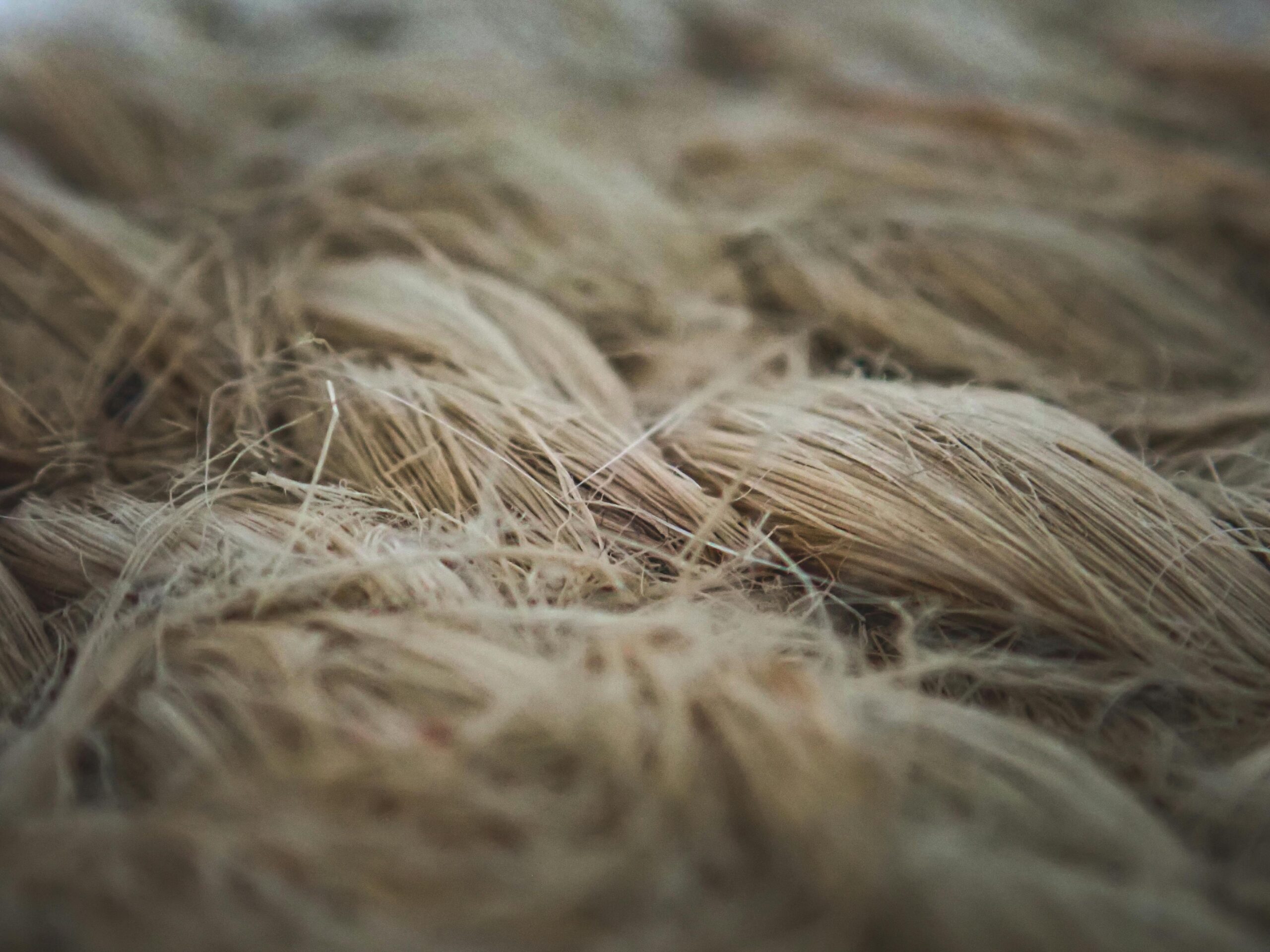
Fabric Linen is one of the oldest and most respected fabrics in the world. Known for its natural feel, breathability, and timeless appearance, linen has been used for thousands of years in clothing, bedding, and home décor.
But what exactly is fabric linen? How is it made? Why is it so popular even today?
In simple terms, linen is a natural textile made from the fibers of the flax plant. It is strong, breathable, eco-friendly, and becomes softer with every wash. Because of these qualities, linen remains a favorite fabric for summer clothing, bedding, table linens, and interior design.
This guide explains everything you need to know about linen fabric—from its history and production process to its benefits, uses, and care tips.
What Is Fabric Linen?
Linen fabric is a textile made from the fibers of the flax plant (Linum usitatissimum). These fibers are extracted from the plant’s stalks, processed, and then spun into yarn to create fabric.
Linen is known for several key features:
- Natural and plant-based
- Highly breathable
- Strong and durable
- Moisture-absorbing
- Lightweight but sturdy
- Slightly textured look
Because of its natural cooling properties, linen is widely used for summer clothing, bedsheets, tablecloths, curtains, and upholstery.
Unlike many synthetic fabrics, linen is biodegradable and environmentally friendly, making it a popular choice for sustainable fashion and home products.
The History of Linen Fabric
Linen has an incredibly long history. In fact, it is considered one of the oldest textiles in the world.
Ancient Civilizations
Linen dates back more than 8,000 years. Archaeologists have discovered linen fragments in ancient settlements, proving that early civilizations valued this fabric.
One of the most famous users of linen was ancient Egypt.
Linen was so important in Egyptian culture that it was used for:
- Clothing for royalty
- Burial shrouds
- Temple textiles
- Household fabrics
Fine linen was often seen as a symbol of purity and wealth.
Linen in Europe
During the Middle Ages, linen became widely used across Europe for:
- Shirts
- Tablecloths
- Towels
- Bedding
Before cotton became widely available, linen was the main fabric for everyday household textiles.
Even today, linen continues to be valued for its natural quality and durability.
How Linen Fabric Is Made
The process of making linen fabric is more complex than many other textiles. It involves several stages, starting with the flax plant.
1. Growing Flax
Linen begins with the flax plant.
Flax grows best in cool climates and requires less water and fewer pesticides than many other crops.
Major flax-producing regions include:
- France
- Belgium
- Netherlands
- China
- Belarus
These areas produce some of the highest quality linen fibers in the world.
2. Harvesting
Flax plants are usually pulled from the ground rather than cut. This method keeps the fibers long and strong.
Long fibers produce better-quality linen.
3. Retting
Retting is the process of separating the fibers from the woody stalk.
This is done by exposing the flax to moisture and microbes that break down the plant structure.
There are several retting methods:
- Water retting
- Dew retting
- Chemical retting
Dew retting is the most common and environmentally friendly method.
4. Breaking and Scutching
After retting, the dried flax stalks go through mechanical processes to remove woody material.
These steps include:
- Breaking
- Scutching
- Hackling
This process separates long linen fibers from shorter fibers.
5. Spinning
The fibers are then spun into yarn.
Long fibers create fine, smooth linen, while shorter fibers produce coarser fabric.
6. Weaving
Finally, the yarn is woven into linen fabric using traditional weaving techniques.
Common linen weaves include:
- Plain weave
- Damask
- Loosely woven linen
Each weave produces a different texture and appearance.
Key Characteristics of Linen Fabric
Linen stands out because of its unique combination of comfort, durability, and natural beauty.
1. Excellent Breathability
Linen is one of the most breathable fabrics available.
The fibers allow air to flow freely, which helps regulate body temperature.
This is why linen clothing is extremely popular in hot climates and summer seasons.
2. Moisture Absorption
Linen can absorb up to 20% of its weight in moisture without feeling damp.
It pulls sweat away from the skin and dries quickly.
This feature makes linen ideal for:
- Summer shirts
- Bedsheets
- Towels
3. Strength and Durability
Linen is one of the strongest natural fibers.
In fact, linen is about 30% stronger than cotton.
Because of this strength, linen products often last for many years.
4. Natural Texture
Linen has a slightly textured surface that gives it a relaxed, elegant look.
The fabric often shows small irregularities, which are not defects. They are part of linen’s natural charm and authenticity.
5. Softens Over Time
Unlike some fabrics that wear out with washing, linen actually gets softer over time.
This is one of the reasons many people prefer linen bedding and clothing.
6. Eco-Friendly Material
Linen is considered a sustainable textile because:
- Flax requires less water than cotton
- It needs fewer pesticides
- The entire plant can be used
- Linen is biodegradable
For environmentally conscious consumers, linen is an excellent fabric choice.
Common Uses of Linen Fabric
Because of its versatility, linen is used in many industries.
Clothing
Linen clothing is especially popular in warm climates.
Common linen garments include:
- Shirts
- Dresses
- Pants
- Jackets
- Summer suits
The fabric keeps the body cool while still looking stylish.
Bedding
Linen bedding is widely appreciated for comfort and durability.
Common linen bedding products include:
- Bed sheets
- Pillowcases
- Duvet covers
Linen sheets are breathable and regulate body temperature, making them comfortable in both warm and cool weather.
Table Linens
The word “linen” originally referred to table textiles.
Today, linen is still used for:
- Tablecloths
- Napkins
- Placemats
- Runners
Its elegant appearance makes it perfect for dining settings.
Home Décor
Linen is also widely used in interior design.
Popular linen décor items include:
- Curtains
- Upholstery
- Cushion covers
- Wall fabrics
The fabric’s natural look complements both modern and rustic home styles.
Types of Linen Fabric
Not all linen fabrics are the same. Different weaving techniques create different textures and uses.
Damask Linen
Damask linen features decorative woven patterns.
It used for:
- Tablecloths
- Napkins
- Decorative textiles
Sheeting Linen
This type is smooth and lightweight.
It use for:
- Bedding
- Clothing
Loosely Woven Linen
This linen has a more open weave and casual appearance.
It works well for:
- Summer clothing
- Lightweight curtains
Toweling Linen
This type is highly absorbent.
It is ideal for:
- Kitchen towels
- Bath towels
Pros and Cons of Linen Fabric
Understanding the advantages and disadvantages helps you decide if linen is the right fabric for your needs.
| Pros | Cons |
|---|---|
| Highly breathable | Wrinkles easily |
| Very durable | Usually more expensive |
| Natural and eco-friendly | Requires gentle care |
| Moisture-absorbing | Can feel stiff at first |
| Gets softer over time | Limited stretch |
Despite the wrinkles, many people appreciate linen’s natural relaxed look.
Linen vs Cotton: What’s the Difference?
Linen and cotton are both natural fabrics, but they have important differences.
| Feature | Linen | Cotton |
|---|---|---|
| Source | Flax plant | Cotton plant |
| Strength | Very strong | Moderate strength |
| Breathability | Excellent | Good |
| Texture | Slightly rough | Soft and smooth |
| Wrinkling | Wrinkles easily | Less wrinkling |
| Price | Usually higher | Usually cheaper |
While cotton is softer at first, linen becomes softer and more comfortable over time.
How to Care for Linen Fabric
Proper care helps linen products last longer and maintain their quality.
Washing
It usually be machine washed.
Best practices include:
- Use cold or lukewarm water
- Choose a gentle cycle
- Use mild detergent
Avoid harsh chemicals or bleach.
Drying
Air drying is the best option for linen.
If using a dryer:
- Use low heat
- Remove while slightly damp
This reduces wrinkles.
For best results:
- Iron while the fabric is slightly damp
- Use medium to high heat
- Steam helps remove wrinkles
Some people prefer the relaxed wrinkled look of linen.
Storage
Store linen in a cool, dry place.
Avoid plastic bags because linen needs airflow. Cotton storage bags work better.
Why Linen Is Becoming More Popular Today
Linen is experiencing a major comeback in fashion and home design.
Several factors explain its rising popularity.
Sustainability
Consumers are looking for eco-friendly fabrics. Linen is biodegradable and requires fewer chemicals than many textiles.
Natural Aesthetic
Modern interior design trends favor natural textures and materials.
Linen fits perfectly with styles like:
- Minimalist design
- Scandinavian interiors
- Rustic décor
- Coastal design
Comfort
People appreciate fabrics that feel natural and breathable.
Linen offers comfort that synthetic fabrics often cannot match.
FAQs About Linen Fabric
Is linen better than cotton?
It depends on the use. Linen is stronger and more breathable than cotton, making it great for hot weather. Cotton, however, is usually softer and less prone to wrinkles.
Does linen shrink when washed?
Linen can shrink slightly if washed in hot water or dried on high heat. Washing with cold or warm water helps prevent shrinking.
Why is linen expensive?
Producing linen requires more time and labor than cotton. The harvesting and fiber extraction process is complex, which increases the cost.
Is linen good for sensitive skin?
Yes. Linen is natural, breathable, and hypoallergenic, which makes it suitable for people with sensitive skin.
Does linen wrinkle easily?
Yes. Wrinkling is one of linen’s most recognizable features. Many people consider this part of its natural charm.
Final Thoughts
Made from the flax plant, it offers a rare combination of strength, breathability, sustainability, and timeless style.
From ancient civilizations to modern homes, linen has remained a trusted material for clothing, bedding, and décor.
While it wrinkles easily and can cost more than other fabrics, its durability and comfort make it a worthwhile investment.
If you are looking for a natural, long-lasting, and eco-friendly fabric, linen is one of the best choices available today.
[…] alone is soft and brittle. If you drive a screw directly into it, the screw may loosen over time. Anchors solve this problem by expanding or […]