

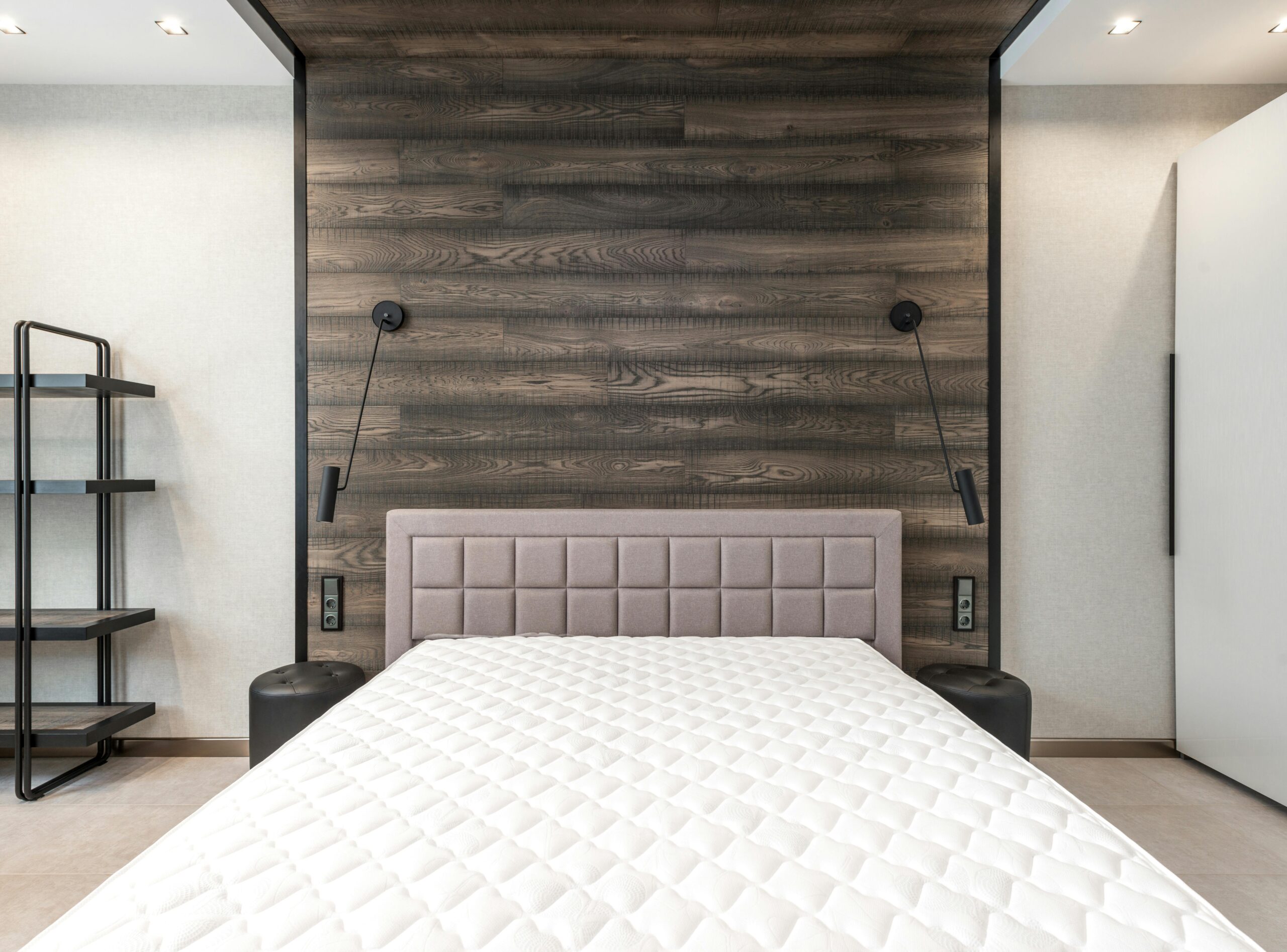
Ever wondered why people in Japan seem to value sleep so deeply? A big part of that calm, well-rested life comes down to something very simple: the futon mattress. A Japanese futon mattress is a thin, foldable bed you place on the floor. It offers firm support, saves space, stays fresh with regular airing, and can last for many years when cared for properly. It’s a practical, comfortable, and minimalist way to sleep.
What is a Japanese futon mattress?
A Japanese futon is not the same as the thick futons you see in sofa beds. It’s a slim mattress, usually filled with cotton or a cotton blend. At night, you lay it on the floor or on tatami mats. In the morning, you fold it and put it away.
This simple routine keeps the mattress clean and gives you more space during the day. That’s why futons are so common in small Japanese homes.
Why do people love sleeping on futons?
People who use futons often say they sleep better because of the firm support. The mattress keeps your body flat and supported, which can help reduce back pain for some sleepers.
Another big reason is freshness. Futons are easy to air out in the sun. This helps remove moisture and keeps them from smelling musty over time.
Is a futon mattress comfortable?
Yes, but comfort depends on what you’re used to. Futons feel firmer than most Western mattresses. If you like soft, sinking beds, a futon may feel hard at first. Many people say their body adjusts after a few nights.
Comfort also improves if you use a tatami mat or a soft rug under the futon.
How long does a Japanese futon last?
With good care, a quality futon can last 5 to 15 years. Regular airing, flipping, and keeping it dry make a big difference. Traditional cotton futons may compress over time, but they can often be re-stuffed instead of replaced.
Pros and cons of a Japanese futon mattress
| Pros | Cons |
|---|---|
| Saves space in small rooms | Feels firm at first |
| Easy to clean and air out | Needs regular care |
| Good body support | Floor sleeping may not suit everyone |
| Long-lasting with proper care | Less padding than thick mattresses |
| Simple, clutter-free lifestyle | Requires storage space during the day |
Real-world examples
- Small apartment living: A couple in Tokyo uses futons so their bedroom becomes a living space during the day.
- Back pain relief: Some people switch from soft mattresses to futons and notice less lower back pain.
- Guest rooms: Homeowners keep futons for guests because they’re easy to store and quick to set up.
FAQs (People Also Ask)
Are Japanese futon mattresses good for your back?
They can be. The firm surface supports the spine evenly. Many people with mild back pain find relief, but it depends on personal comfort.
Can you sleep on a futon every night?
Yes. In Japan, millions of people sleep on futons every night for their entire lives.
Do futon mattresses get moldy?
They can if not aired properly. Regularly drying the futon in sunlight helps prevent moisture and mold.
Can you use a futon on a bed frame?
Yes. Many people place futons on slatted frames or low platforms for extra airflow.
Is a futon good for small homes?
Absolutely. Futons are perfect for small spaces because they fold away when not in use.
Final verdict
The Japanese futon mattress is more than just a bed—it’s a way of living simply and sleeping well. If you value firm support, clean sleeping habits, and smart use of space, a futon could be a great choice. It may take a little time to adjust, but for many people, it leads to deeper, calmer, and more restful sleep.
[…] wisely, test it properly, and your back will thank you—every […]