

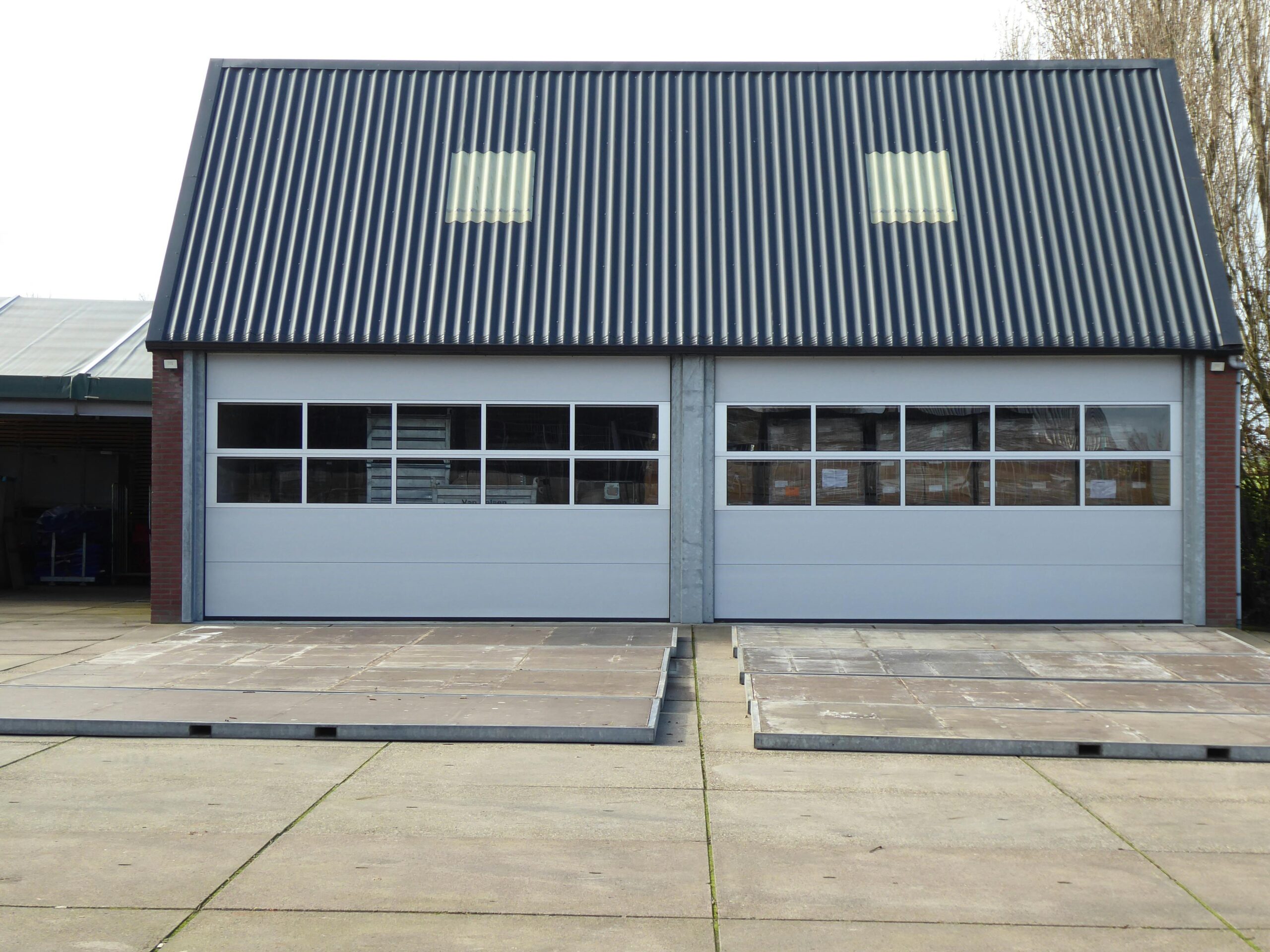
Building a garage sounds simple—until you start adding up the costs. Concrete, labor, permits, roofing, doors, wiring… it adds up fast. This is exactly why a garage building cost calculator is so useful.
If you’re planning a new garage and want realistic numbers (not guesses), this guide will walk you through how a garage cost calculator works, what affects the final price, and how to avoid budget surprises. By the end, you’ll know how to estimate your garage cost with confidence.
Quick Answer: What Is a Garage Building Cost Calculator?
A garage building cost calculator is an online or manual tool that estimates how much it will cost to build a garage based on factors like size, materials, location, and features.
It helps homeowners:
- Plan budgets accurately
- Compare garage types
- Avoid underestimating construction costs
- Decide what features are worth the money
Think of it as a financial roadmap before you start construction.
Why You Should Use a Garage Building Cost Calculator
Many people rely on rough guesses or outdated prices. That’s risky. Construction costs change often.
Here’s why using a calculator matters:
- Prevents budget overruns
- Shows cost differences between garage types
- Helps prioritize features
- Improves contractor quotes comparison
- Saves time and money
A calculator doesn’t replace a contractor quote—but it prepares you to spot overpriced estimates.
How a Garage Building Cost Calculator Works
Most garage cost calculators follow the same logic.
Step-by-Step Breakdown
- Garage size (length × width)
- Garage type (attached, detached, prefab)
- Construction materials
- Foundation type
- Roof style
- Doors and windows
- Electrical or plumbing needs
- Local labor costs
- Permit and inspection fees
Each input adds or subtracts cost, producing a realistic estimate range.
Average Garage Building Costs (2026 Estimates)
Before using a calculator, it helps to know typical ranges.
Cost Per Square Foot
| Garage Type | Cost per Sq Ft |
|---|---|
| Basic detached | $40 – $70 |
| Attached garage | $50 – $85 |
| Finished garage | $70 – $120 |
| Luxury/custom | $120+ |
Total Cost by Garage Size
| Garage Size | Estimated Cost |
|---|---|
| 1-car (240 sq ft) | $9,500 – $20,000 |
| 2-car (400 sq ft) | $16,000 – $35,000 |
| 3-car (720 sq ft) | $30,000 – $65,000 |
Prices vary by location and materials.
Key Factors That Affect Garage Building Costs
A calculator works best when you understand what really drives costs.
1. Garage Size and Layout
Bigger garages cost more. But layout matters too.
- Deeper garages increase concrete costs
- Taller walls raise framing expenses
- Extra storage space adds labor
Even a few extra feet can add thousands.
2. Attached vs Detached Garage
Attached garages:
- Share walls with the house
- Often cost less per square foot
- Require structural integration
Detached garages:
- Need separate foundations
- More flexibility in design
- Usually cost more overall
A calculator will ask this early—because it changes everything.
3. Foundation Type
Your foundation choice has a major impact.
| Foundation Type | Cost Impact |
|---|---|
| Concrete slab | Lowest cost |
| Crawl space | Moderate |
| Basement garage | Highest |
Concrete prices fluctuate, so updated calculators are essential.
4. Building Materials
Material choices quickly raise or lower your estimate.
Common options include:
- Wood framing
- Steel framing
- Brick exterior
- Vinyl or fiber cement siding
Premium finishes can double the final cost.
5. Roofing Style and Materials
Roofing is more than looks—it affects durability.
| Roof Material | Cost Level |
|---|---|
| Asphalt shingles | Low |
| Metal roofing | Medium |
| Tile or slate | High |
Complex roof designs increase labor costs.
6. Garage Doors and Windows
Garage doors vary widely in price.
- Manual steel door: affordable
- Insulated automatic door: higher cost
- Custom wood door: premium pricing
Windows improve light but add framing and insulation costs.
7. Electrical and Plumbing
Many people forget this part.
Adding:
- Lighting
- Power outlets
- EV charging stations
- Plumbing or drains
can add $1,500–$8,000+ depending on complexity.
8. Permits, Codes, and Inspections
Permit costs depend on location.
Typical fees include:
- Building permit
- Electrical permit
- Zoning approval
- Inspections
A good calculator includes regional permit estimates.
9. Labor Costs by Location
Labor is often the biggest variable.
- Urban areas = higher labor rates
- Rural areas = lower labor costs
- Skilled trades raise prices
This is why location-based calculators are more accurate.
Types of Garage Building Cost Calculators
Not all calculators are equal.
1. Basic Online Calculators
Best for:
- Quick estimates
- Early planning
Limitations:
- Generic pricing
- Limited customization
2. Advanced Cost Estimators
Best for:
- Detailed budgeting
- Feature comparison
Includes:
- Local labor rates
- Material upgrades
- Permit estimates
These provide the most accurate results.
3. Contractor-Provided Calculators
Best for:
- Real-world pricing
- Construction-ready estimates
Downside:
- May be biased toward higher-end builds
Always compare results from multiple sources.
Pros and Cons of Using a Garage Cost Calculator
| Pros | Cons |
|---|---|
| Fast cost estimates | Not 100% exact |
| Helps plan budgets | Cannot replace contractor site visit |
| Compares design options | Prices can change |
| Prevents surprise expenses | Some calculators are outdated |
Used correctly, calculators are powerful planning tools.
Real-World Example: Budget Planning With a Calculator
Scenario:
You want a 2-car detached garage with electricity.
Calculator inputs:
- Size: 24×24 ft
- Foundation: concrete slab
- Roof: asphalt shingles
- Electrical: basic lighting and outlets
Estimated cost:
$22,000 – $28,000
Without a calculator:
You might budget $15,000 and face delays or compromises later.
How to Get the Most Accurate Results
Follow these tips:
- Use multiple calculators
- Enter exact dimensions
- Choose realistic materials
- Include electrical and permits
- Add a 10–15% buffer
Accuracy improves when you treat the calculator like a planning tool—not a final quote.
Common Mistakes to Avoid
- Ignoring permit fees
- Underestimating labor costs
- Choosing materials without pricing them
- Forgetting insulation costs
- Skipping site preparation expenses
A calculator helps—but only if inputs are honest.
Garage Cost Calculator vs Contractor Quote
| Calculator | Contractor Quote |
|---|---|
| Early estimate | Final pricing |
| Planning tool | Legal agreement |
| Fast | Slower |
| Flexible | Fixed |
Best approach:
Use a calculator first, then confirm with contractors.
FAQs: Garage Building Cost Calculator
How accurate is a garage building cost calculator?
Most calculators are accurate within 10–20% if inputs are correct.
Are online garage calculators free?
Yes, most basic calculators are free. Advanced tools may require registration.
Can a calculator estimate labor costs?
Good calculators include regional labor averages.
Do calculators include permits?
Some do, some don’t. Always check this section carefully.
Is building a garage cheaper than buying prefab?
Not always. Prefab garages are cheaper upfront but offer fewer customization options.
Final Verdict: Is a Garage Building Cost Calculator Worth Using?
Absolutely.
A garage building cost calculator gives you clarity before you spend a dollar. It helps you budget smarter, avoid surprises, and make confident design decisions.
While it won’t replace a contractor’s final quote, it puts you in control of the planning process.
If you’re serious about building a garage, using a cost calculator isn’t optional—it’s essential.
[…] leads are potential customers who have shown interest in flooring services such as hardwood installation, vinyl plank flooring, tile work, carpet replacement, or […]