

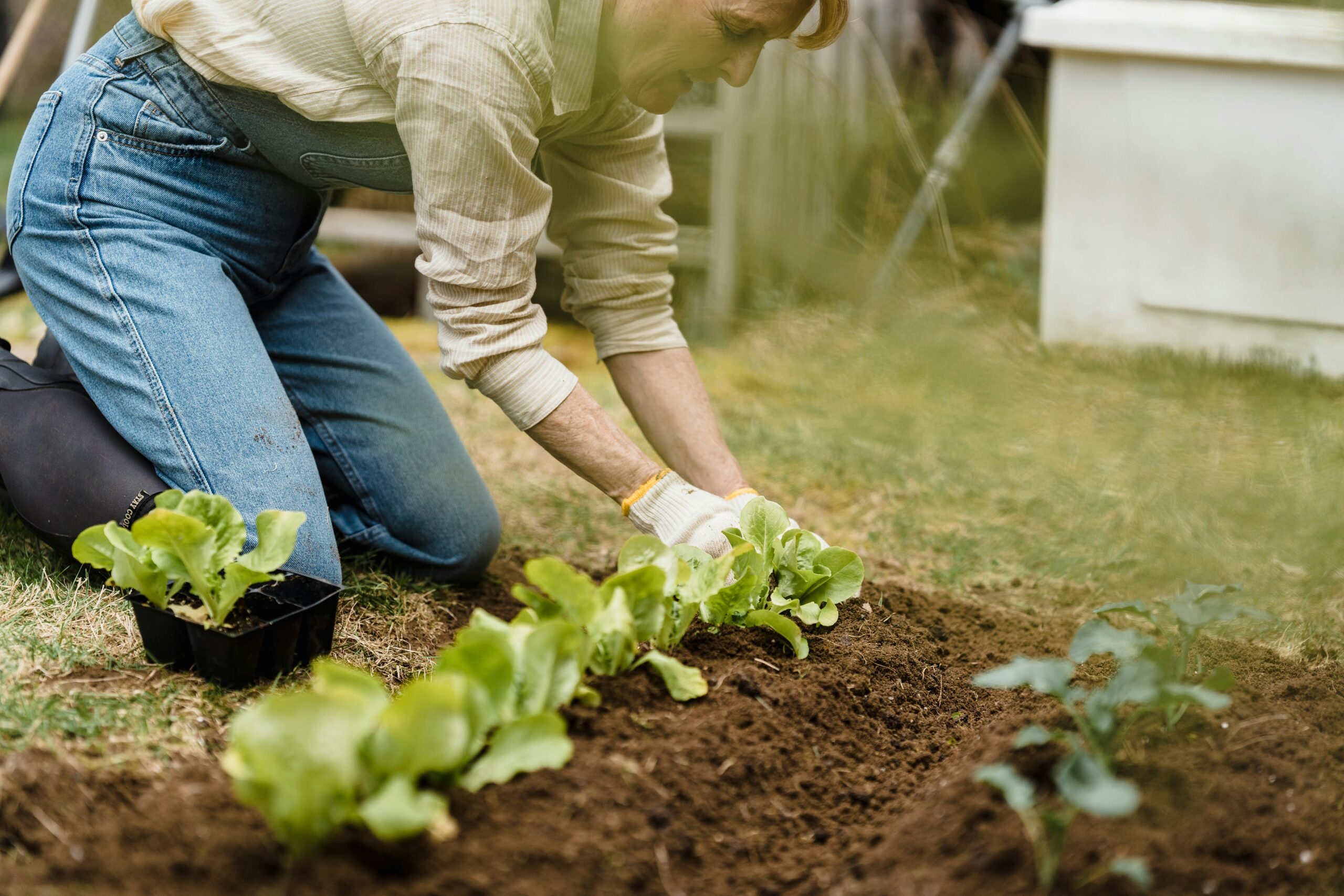
Building a raised garden bed feels exciting—until you hit that moment and think, “Wait… what goes at the bottom?” Good news: it’s simple, and getting it right makes a big difference for your plants. At the bottom of a raised garden bed, you should place a weed barrier (like cardboard or newspaper) directly on the ground, followed by natural materials such as sticks, leaves, or compost, and then quality soil on top. This setup blocks weeds, improves drainage, and helps plants grow stronger.
Why the bottom layer matters
The bottom layer is not just filler. It helps with three big things:
- Stops weeds from growing up into your bed
- Improves drainage so roots don’t rot
- Saves soil and adds slow nutrition over time
Skipping this step often leads to weeds, soggy soil, and weaker plants.
Best materials to put at the bottom of a raised garden bed
Cardboard or newspaper (first layer)
This should touch the ground.
- Blocks weeds and grass
- Breaks down naturally
- Lets water pass through
Use plain cardboard or black-and-white newspaper. No glossy paper.
Sticks, twigs, or small branches
This layer helps with airflow and drainage.
- Great for deep beds
- Reduces the amount of soil you need
- Slowly breaks down and feeds the soil
This idea comes from a natural gardening method where wood is used to build healthy soil over time.
Leaves, grass clippings, or straw
These add organic matter.
- Improve soil texture
- Hold moisture
- Feed worms and good microbes
Make sure grass clippings are untreated and dry.
Compost or aged manure
This is the “food layer.”
- Adds nutrients
- Boosts plant growth
- Helps soil stay loose
Only use well-rotted compost, not fresh waste.
Garden soil (top layer)
This is where plants grow.
- Use a mix of garden soil and compost
- Avoid heavy clay if possible
- Fill enough depth for roots to spread
What NOT to put at the bottom
- Plastic sheets – trap water and harm roots
- Landscape fabric – blocks natural soil life
- Rocks or gravel – worsen drainage instead of helping
- Treated wood scraps – may release harmful chemicals
Pros & cons table
| Bottom Material | Pros | Cons |
|---|---|---|
| Cardboard | Free, blocks weeds, breaks down | Needs replacing after a season |
| Sticks & branches | Improves drainage, saves soil | Not ideal for shallow beds |
| Leaves & straw | Adds nutrients, holds moisture | Breaks down quickly |
| Compost | Feeds plants, improves soil | Can be costly in large amounts |
| Plastic | None for gardening | Causes root rot and poor drainage |
Real-world examples
Home vegetable garden:
A gardener places cardboard on the ground, adds sticks, covers them with leaves, then tops it with soil. Tomatoes grow deeper roots and need less watering.
Urban backyard bed:
With weeds everywhere, cardboard plus compost stops weeds for the whole season without chemicals.
Raised bed on poor soil:
Using branches and organic waste saves money and still grows healthy lettuce and herbs.
FAQs (People Also Ask)
Should I put rocks at the bottom of a raised garden bed?
No. Rocks block water movement and can cause soggy soil. Soil drains better without them.
Can I put plastic at the bottom?
No. Plastic traps water and cuts off roots from natural soil life.
Do raised beds need a bottom at all?
If your bed sits on soil, you don’t need a solid bottom. Just use a weed barrier like cardboard.
What if my raised bed is on concrete?
Use a breathable liner and add a thicker drainage layer with sticks and compost before soil.
How deep should the bottom layers be?
For deep beds, 6–12 inches of organic material is enough. Shallow beds need thinner layers.
Final verdict
The best thing to put at the bottom of a raised garden bed is cardboard or newspaper to stop weeds, followed by natural organic materials, and then good soil on top. It’s cheap, easy, and works with nature instead of fighting it. Do this once, and your plants will thank you all season long 🌱