

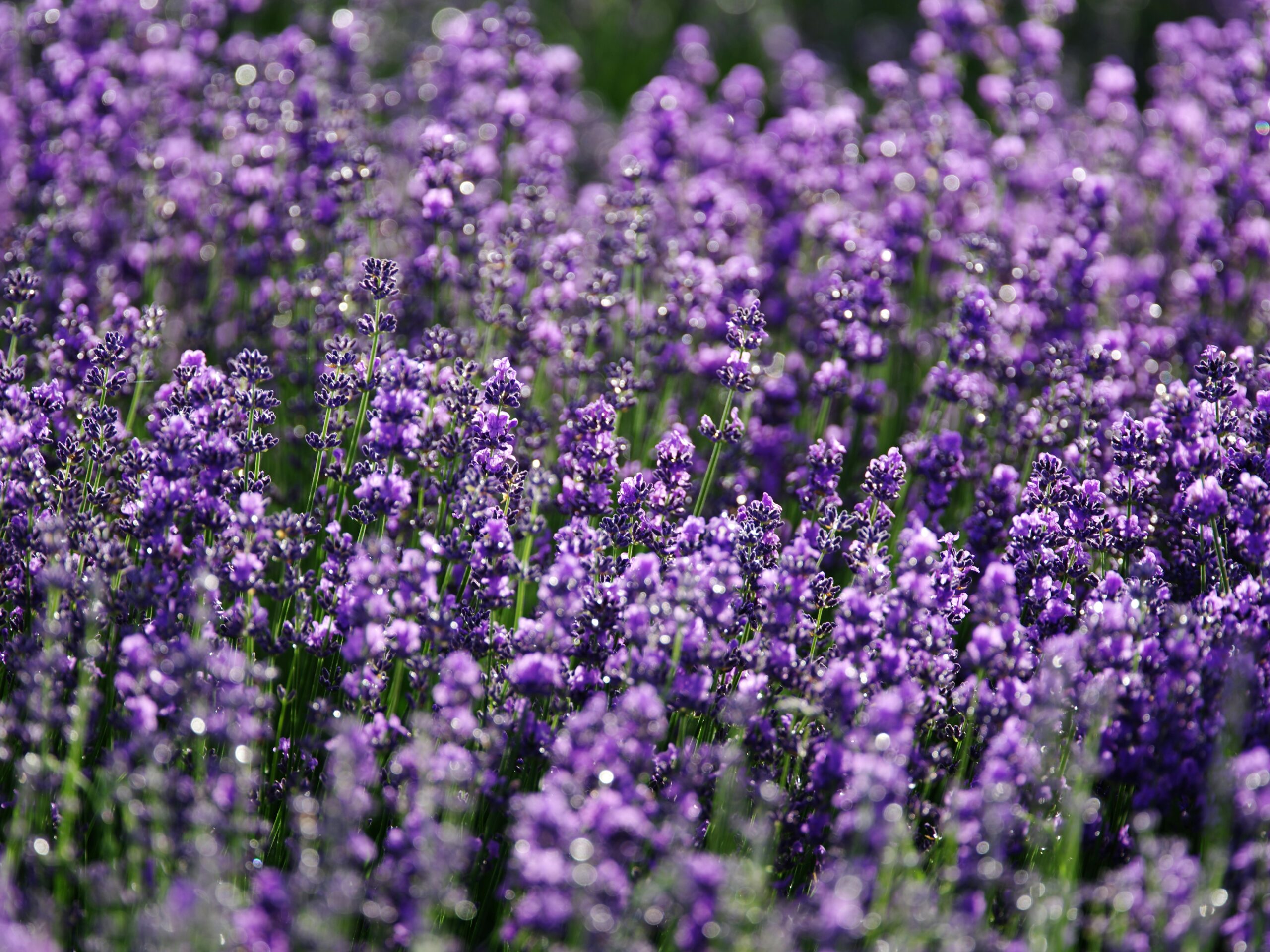
Lavender is one of the most loved plants in home gardens. Its soft purple flowers, calming scent, and many uses make it a favorite for beginners and experienced gardeners alike. But if you live in Michigan, you might wonder can Grow Lavender really thrive in a place with cold winters and unpredictable weather?
The short answer is yes—you can grow lavender in Michigan. The key is choosing the right varieties and following a few important care steps.
This guide will walk you through everything you need to know, from soil preparation to winter protection, so you can grow healthy, beautiful lavender plants in Michigan.
Why Grow Lavender in Michigan?
Lavender is more than just a pretty plant. It offers several benefits:
- Low maintenance once established
- Drought tolerant, perfect for saving water
- Attracts pollinators like bees and butterflies
- Repels pests such as mosquitoes
- Versatile uses in cooking, oils, and crafts
Despite Michigan’s cold climate, lavender can thrive if you create the right conditions.
Understanding Michigan’s Climate
Before planting lavender, it’s important to understand the growing conditions in Michigan.
Key Climate Factors
- Cold winters (often below freezing)
- Humid summers
- Heavy or clay soil in many areas
- Variable spring weather
Lavender prefers:
- Dry conditions
- Well-drained soil
- Plenty of sunlight
So your main challenge is not the cold—it’s moisture and drainage.
Best Lavender Varieties for Michigan
Not all lavender types can survive Michigan winters. Choosing the right variety is the first step to success.
1. English Lavender (Best Choice)
This is the most cold-hardy option.
Popular varieties:
- Hidcote
- Munstead
Why it works:
- Survives freezing temperatures
- Compact and easy to manage
- Strong fragrance
2. Lavandin (Hybrid Lavender)
A cross between English and spike lavender.
Examples:
- Grosso
- Provence
Pros:
- Larger plants
- High oil production
Cons:
- Less cold-hardy than English lavender
- Needs extra winter protection
3. Spanish and French Lavender (Not Recommended)
These varieties struggle in Michigan’s climate.
- Sensitive to frost
- Better suited for warm regions
Choosing the Right Location
Lavender thrives when planted in the right spot.
Sunlight Requirements
Lavender needs at least 6–8 hours of full sun daily.
Choose a location that:
- Faces south or west
- Gets direct sunlight most of the day
Soil Conditions
This is the most important factor.
Lavender prefers:
- Well-drained soil
- Slightly alkaline pH (6.5–7.5)
- Sandy or gravelly texture
Avoid:
- Heavy clay soil
- Areas that stay wet after rain
How to Prepare Soil for Lavender
Michigan soil often needs improvement before planting lavender.
Improve Drainage
If your soil is heavy, mix in:
- Sand
- Gravel
- Compost (in small amounts)
You can also:
- Build raised beds
- Plant on a slight mound
This prevents root rot, which is the biggest threat to lavender.
Adjust Soil pH
Lavender prefers slightly alkaline soil.
To raise pH:
- Add garden lime
Test your soil first to avoid overcorrecting.
When to Plant Lavender in Michigan
Timing matters for success.
Best Time to Plant
- Late spring (after last frost)
- Typically May to early June
This gives plants time to establish before winter.
Avoid Fall Planting
Planting in fall is risky because:
- Roots may not establish in time
- Winter frost can kill young plants
How to Plant Lavender
Follow these steps for healthy growth.
Step-by-Step Guide
- Dig a hole twice the width of the root ball
- Place the plant slightly above soil level
- Backfill with well-draining soil mix
- Water lightly
- Add gravel or mulch around the base
Spacing
- Space plants 12–24 inches apart
- Allows airflow and prevents disease
Watering Lavender the Right Way
Lavender does not like too much water.
Watering Tips
- Water deeply but infrequently
- Let soil dry out between watering
- Avoid wetting the leaves
New plants:
- Water once or twice a week
Established plants:
- Water only during long dry periods
Fertilizing Lavender
Lavender doesn’t need much fertilizer.
Best Approach
- Use little to no fertilizer
- Too much nutrients reduce fragrance
If needed:
- Apply a small amount of compost in spring
Pruning Lavender for Healthy Growth
Pruning keeps plants compact and productive.
When to Prune
- After flowering (mid to late summer)
- Light pruning in early fall if needed
How to Prune
- Cut back about one-third of the plant
- Avoid cutting into woody stems
- Shape into a rounded mound
Protecting Lavender in Michigan Winters
Winter is the biggest challenge.
Winter Protection Tips
- Add a layer of mulch (straw or leaves)
- Avoid heavy mulch that traps moisture
- Cover with burlap if needed
Improve Survival
- Plant in raised beds
- Ensure excellent drainage
- Choose cold-hardy varieties
Growing Lavender in Containers
If your soil is too heavy, containers are a great option.
Benefits
- Better drainage control
- Easy to move indoors during winter
Container Tips
- Use pots with drainage holes
- Choose a sandy potting mix
- Place in full sun
Winter Care for Pots
- Bring indoors or into a garage
- Keep soil slightly dry
- Provide some light
Common Problems and How to Fix Them
Even with proper care, issues can arise.
1. Root Rot
Cause: Too much moisture
Solution: Improve drainage and reduce watering
2. Yellow Leaves
Cause: Overwatering or poor soil
Fix: Let soil dry and adjust drainage
3. Leggy Growth
Cause: Not enough sunlight
Fix: Move to a sunnier spot
4. Winter Damage
Cause: Extreme cold or wet soil
Fix: Use mulch and plant hardy varieties
Harvesting Lavender
Harvesting at the right time ensures strong fragrance.
When to Harvest
- When buds are just starting to open
How to Harvest
- Cut stems in the morning
- Bundle and hang upside down to dry
Uses for Lavender
Once you grow lavender, you can use it in many ways:
- Essential oils
- Herbal teas
- Baking and cooking
- Sachets and home fragrance
- Skincare products
Tips for Long-Term Success
To keep your lavender thriving year after year:
- Prioritize drainage over everything
- Avoid overwatering
- Prune regularly
- Protect plants in winter
- Choose the right variety
Final Thoughts
Growing lavender in Michigan is absolutely possible with the right approach. While the climate presents some challenges, they are easy to manage once you understand what lavender needs.
Focus on three key things:
- Plenty of sunlight
- Well-drained soil
- Proper winter care
Get these right, and your lavender will reward you with beautiful blooms and a calming fragrance season after season.
Whether you plant it in your garden or in containers, lavender can become one of the most rewarding plants you grow in Michigan.