

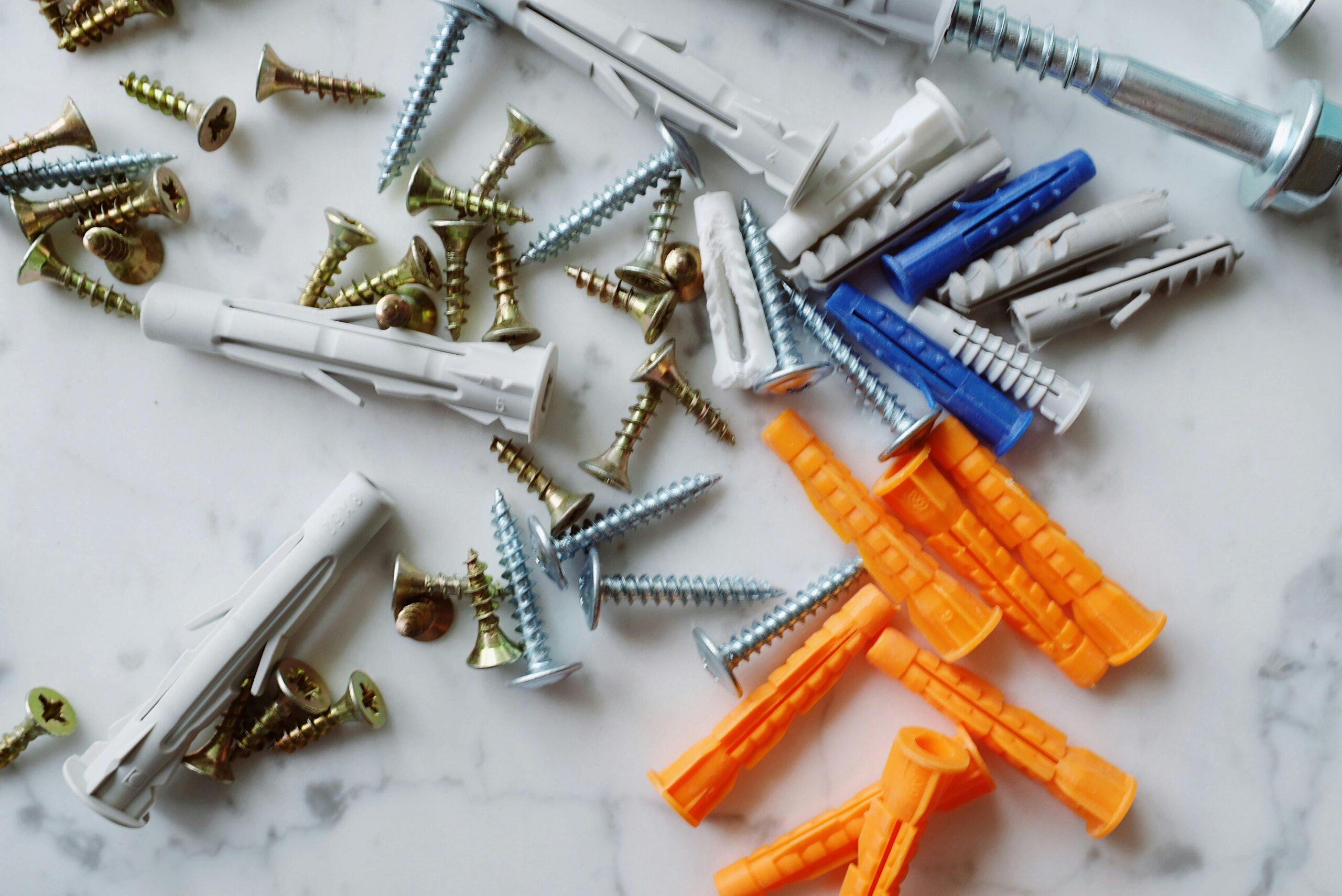
Hanging items on drywall can feel risky. Many people worry that screws will pull out or the wall will crack. That’s where gypsum board anchor come in.
A gypsum board anchor spreads the load behind the wall, giving screws a strong grip even in hollow drywall. With the right anchor, you can safely hang shelves, mirrors, TVs, cabinets, and décor without damaging the wall.
This guide explains what gypsum board anchors are, how they work, which type to use, and how to install them properly. Whether you’re a homeowner or a DIY enthusiast, you’ll learn how to fix items securely on drywall.
What Is a Gypsum Board Anchor?
A gypsum board anchor is a small hardware device designed to hold screws firmly in drywall or plasterboard.
Drywall alone is soft and brittle. If you drive a screw directly into it, the screw may loosen over time. Anchors solve this problem by expanding or gripping behind the wall.
Simple explanation
- Screw alone = weak hold in drywall
- Anchor + screw = strong, stable hold
The anchor distributes the load across a larger surface area inside the wall. This prevents the screw from pulling out.
Common names for gypsum board anchors
You may also hear them called:
- Drywall anchors
- Wall anchors
- Hollow wall anchors
- Plasterboard anchors
All these names refer to similar devices designed for hollow walls.
Why You Should Use Gypsum Board Anchors
Many DIY mistakes happen because people skip anchors. They simply push screws into drywall and hope it holds.
This works only for very light items.
Anchors give you several key benefits.
1. Stronger weight support
Anchors allow drywall to support heavier objects like:
- Wall shelves
- Curtain rods
- Floating cabinets
- Mirrors
- TVs
2. Prevents wall damage
Without anchors, screws can rip through drywall and leave large holes. Anchors reduce stress on the surface.
3. Long-term stability
Anchors keep screws tight over time. Vibration or movement will not loosen them easily.
4. Easy installation
Most drywall anchors require only a screwdriver or drill.
Types of Gypsum Board Anchors
Not all anchors work the same way. Different types are designed for different weight loads and wall thicknesses.
Below are the most common gypsum board anchors used in homes.
1. Plastic Expansion Anchors
These are the most basic and affordable anchors.
They are made from plastic and expand slightly when the screw is inserted.
Best for
- Light fixtures
- Small frames
- Lightweight décor
Weight capacity
Usually 5–20 pounds depending on size.
Pros
- Very cheap
- Easy to install
- Good for light tasks
Cons
- Not suitable for heavy items
- Can loosen over time
2. Self-Drilling Anchors
Self-drilling anchors are designed with a sharp threaded body. They screw directly into drywall without needing a pilot hole.
They are usually made from nylon or metal.
Best for
- Curtain rods
- Medium shelves
- Wall organizers
Weight capacity
Around 25–75 pounds.
Pros
- Fast installation
- No drilling needed
- Stronger than plastic anchors
Cons
- Can strip if overtightened
- Not ideal for very heavy loads
3. Molly Bolts (Hollow Wall Anchors)
Molly bolts are metal anchors that expand behind the wall once tightened.
When you tighten the screw, the metal sleeve spreads out like wings behind the drywall.
Best for
- Heavy mirrors
- Cabinets
- Wall shelves
Weight capacity
About 40–100 pounds depending on size.
Pros
- Strong and durable
- Secure metal grip
- Good for medium to heavy loads
Cons
- Requires drilling
- Harder to remove
4. Toggle Bolts
Toggle bolts are one of the strongest drywall anchors available.
They use spring-loaded wings that open behind the wall. These wings spread the load over a large area.
Best for
- TVs
- Heavy shelving
- Large mirrors
- Wall cabinets
Weight capacity
Up to 100–300 pounds depending on bolt size.
Pros
- Very strong hold
- Ideal for heavy objects
- Reliable for structural loads
Cons
- Requires larger hole
- Anchor may fall behind wall during removal
5. Strap Toggle Anchors
These are modern versions of toggle bolts.
Instead of metal wings attached to the bolt, they use a plastic strap system that locks behind the wall.
Best for
- TV mounts
- Heavy shelves
- Floating furniture
Weight capacity
Often 100–250 pounds.
Pros
- Very strong
- Easy to install
- Reusable screw
Cons
- Slightly more expensive
Gypsum Board Anchor Weight Capacity Table
| Anchor Type | Weight Capacity | Best Use |
|---|---|---|
| Plastic Expansion | 5–20 lbs | Light décor |
| Self-Drilling | 25–75 lbs | Curtain rods, small shelves |
| Molly Bolt | 40–100 lbs | Mirrors, cabinets |
| Toggle Bolt | 100–300 lbs | TVs, heavy shelving |
| Strap Toggle | 100–250 lbs | Heavy mounts |
Always check the manufacturer’s rating before installation.
How to Choose the Right Anchor
Choosing the correct anchor depends on three main factors.
1. Weight of the object
Estimate the total weight of the item.
Examples:
- Photo frame = 5 lbs
- Mirror = 25 lbs
- Floating shelf = 40 lbs
- TV mount = 80+ lbs
Choose an anchor rated higher than the expected load.
2. Wall type
Most anchors are designed for:
- Drywall
- Gypsum board
- Hollow plaster walls
If the wall has wood studs, you may not need anchors at all. Screws directly into studs provide strong support.
3. Mounting style
Some items distribute weight across several screws.
For example:
- TV mounts use 4 bolts
- Shelves use 2–3 anchors
Multiple anchors increase overall strength.
Step-by-Step: How to Install a Gypsum Board Anchor
Proper installation is the key to a strong and safe mount.
Follow these simple steps.
Step 1: Mark the mounting location
Use a pencil to mark where the screw will go.
A level tool helps keep shelves and frames straight.
Step 2: Drill a pilot hole (if required)
Some anchors need a pilot hole.
Use a drill bit slightly smaller than the anchor size.
Self-drilling anchors skip this step
Step 3: Insert the anchor
Push or screw the anchor into the drywall until it sits flush with the surface.
Avoid pushing too hard, which may damage the wall.
Step 4: Insert the screw
Drive the screw through the object bracket and into the anchor.
Tighten slowly until secure.
Do not overtighten.
Step 5: Test the hold
Before hanging the object fully, gently pull on the screw to ensure it is secure.
If the anchor moves, remove it and install a stronger one.
Common Mistakes When Using Drywall Anchors
Many drywall failures happen due to simple installation errors.
Avoid these common mistakes.
Using the wrong anchor type
A small plastic anchor cannot hold heavy shelves or TVs.
Always match anchor strength to the load.
Overtightening screws
Too much force can strip plastic anchors or break drywall.
Tighten just enough to hold the object firmly.
Drilling oversized holes
A hole that is too large will prevent the anchor from gripping properly.
Always use the correct drill size.
Ignoring wall studs
If a stud is available, screw directly into it instead of using an anchor.
Studs provide the strongest support.
Real-World Examples of Gypsum Board Anchors
Here are some practical scenarios.
Hanging a bathroom mirror
Weight: 20–30 lbs
Best anchor:
- Molly bolt
- Self-drilling anchor
Installing a floating shelf
Weight: 40–60 lbs
Best anchor:
- Molly bolt
- Toggle bolt
Mounting a TV bracket
Weight: 80–120 lbs
Best anchor:
- Toggle bolts
- Strap toggle anchors
Hanging lightweight wall art
Weight: 5–10 lbs
Best anchor:
- Plastic expansion anchors
When You Should Not Use Drywall Anchors
Sometimes drywall anchors are not the best option.
Avoid them when installing:
- Heavy kitchen cabinets
- Large wall-mounted desks
- Pull-up bars
- Heavy storage racks
These items require stud mounting or specialized wall reinforcement.
Tips for Stronger and Safer Wall Mounting
These expert tips help improve anchor performance.
Use multiple anchors
Instead of relying on one screw, spread weight across several anchors.
Use anchors rated above the weight
If an item weighs 40 lbs, choose anchors rated for 60–80 lbs.
This adds safety margin.
Check drywall thickness
Standard drywall thickness is ½ inch or ⅝ inch.
Some anchors are designed specifically for thicker boards.
Keep anchors spaced properly
Spacing screws evenly distributes load and reduces wall stress.
Frequently Asked Questions
Can drywall anchors hold heavy weight?
Yes. Some anchors like toggle bolts can hold over 200 pounds when installed correctly.
However, very heavy loads should still be mounted to wall studs whenever possible.
Do I always need anchors in drywall?
Not always.
If you screw directly into a wood stud, anchors are unnecessary.
Anchors are mainly used in hollow sections of drywall.
Can drywall anchors be reused?
Most plastic anchors cannot be reused.
However, toggle bolt screws can often be reused if the anchor mechanism stays in place.
What happens if an anchor fails?
If an anchor fails, remove it and install a larger or stronger anchor.
You can also patch the hole and drill a new mounting point.
Final Thoughts: Making Wall Mounting Safe and Simple
Gypsum board anchors make it easy to hang items securely on drywall. Without them, screws can loosen and damage the wall.
The key is choosing the right anchor for the job.
Light décor may only need simple plastic anchors. Heavy items like TVs require strong toggle bolts or strap anchors.
By selecting the correct anchor and installing it properly, you can safely mount shelves, mirrors, artwork, and more.
[…] broker or rental agent. A Mietmakler is a real estate professional who specializes in helping people rent […]