

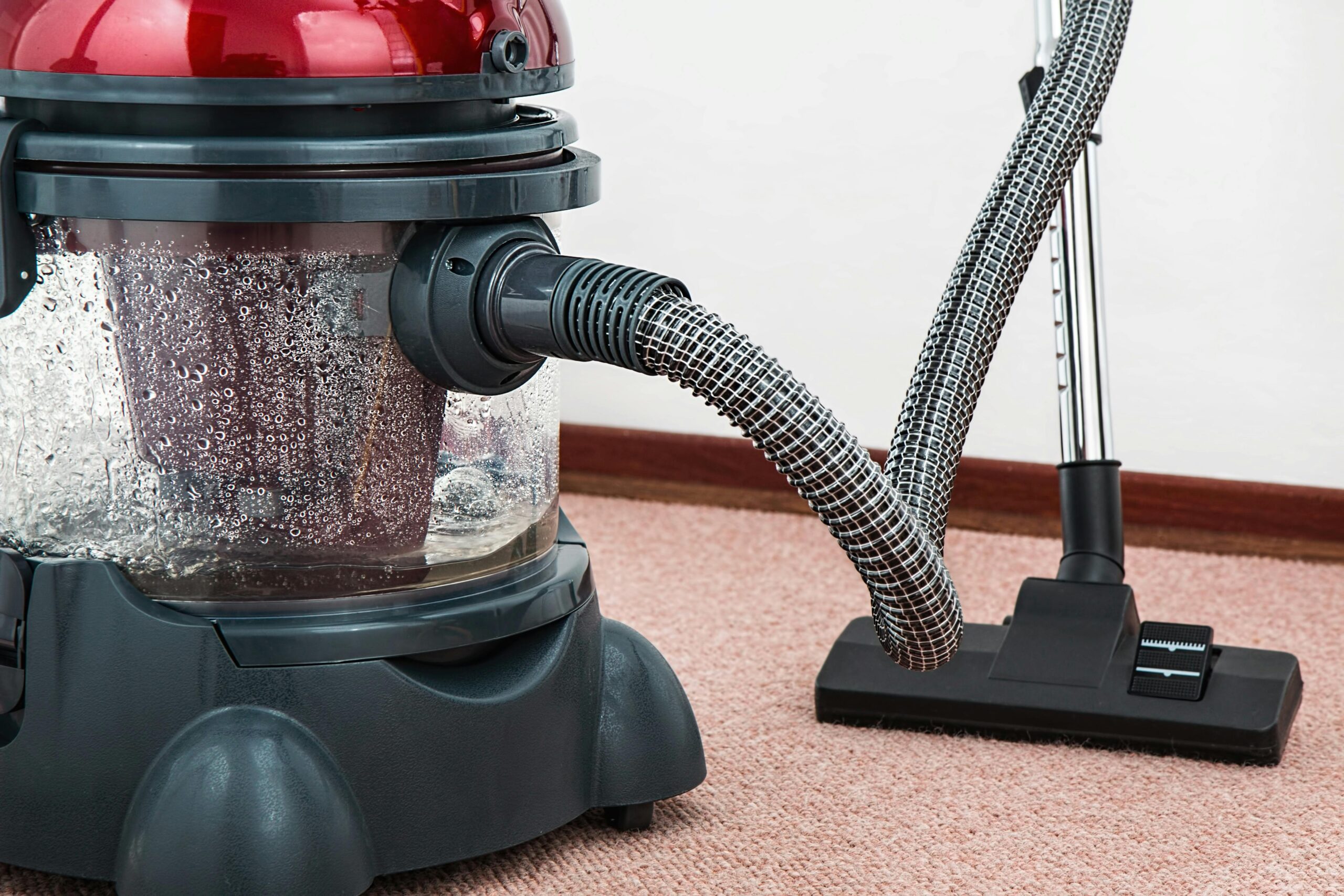
Ever feel like your vacuum sounds strong but doesn’t actually pick much up? You’re not imagining things. Suction power can fade over time, and the good news is—you can measure it yourself without being an engineer. Vacuum cleaner suction is measure by checking airflow and pressure, usually in air watts, water lift, or simple home tests like the sealed-hand test or water column method. Each method tells you how strong your vacuum really is.
Let me walk you through it like I would with a friend at home—simple, clear, and practical.
What Does Vacuum Cleaner Suction Actually Mean?
Suction is how strongly a vacuum pulls air (and dirt) into it.
before measure suction check a good vacuum needs two things:
- Strong pull (pressure)
- Good airflow
If one is weak, cleaning suffers.
Manufacturers often use terms like:
- Air watts – overall cleaning power
- Water lift – how high it can pull water
- CFM – airflow
You don’t need to remember all that. What matters is how well it cleans your floors.
Method 1: Measure Suction Using the Hand Test
This is the easiest way to get a rough idea.
How to do it:
- Turn the vacuum on.
- Place your palm over the hose opening.
- Seal it fully for 2–3 seconds.
What to notice:
- Strong pull that’s hard to remove → good suction
- Weak pull or air leaks → reduced suction
Best for:
- Quick checks
- Comparing two vacuums
Note: This doesn’t give numbers, just a feel.
Method 2: Measure Suction with a Water Lift Test
This is the closest thing to a real measurement.
What you need:
- Clear plastic tube (about 3–4 feet long)
- Ruler or measuring tape
- Bucket of water
Steps:
- Place one end of the tube into the water.
- Seal the other end to the vacuum hose.
- Turn the vacuum on.
- Watch how high the water rises in the tube.
- Measure the height in inches or centimeters.
What it means:
- Higher water rise = stronger suction
- Most good home vacuums pull 40–70 inches of water
This measures water lift, which shows raw suction strength.
Method 3: Check Manufacturer Ratings
Look at the vacuum’s label or manual.
Common ratings:
- Air watts (AW): Best overall indicator
- Water lift: Strong pull
- CFM: How much air moves
General guide:
- 200–300 air watts → decent
- 300+ air watts → strong
This method is easy but depends on honest manufacturer data.
Method 4: Simple Real-Life Cleaning Test
Sometimes the floor tells the truth better than numbers.
Try this:
- Sprinkle rice or sand on carpet
- Vacuum once, slowly
- See what’s left
If it struggles on the first pass, suction may be weak—even if the motor sounds loud.
Pros & Cons of Different Suction Measurement Methods
| Method | Pros | Cons |
|---|---|---|
| Hand test | Fast and free | No numbers |
| Water lift test | Very accurate | Needs setup |
| Manufacturer ratings | Easy to find | Can be misleading |
| Cleaning test | Real-world results | Not precise |
Real-World Examples
- Old vacuum with clogged filter: Hand test feels weak → cleaning improves after filter wash
- New budget vacuum: Loud motor but low water lift → poor carpet cleaning
- Same vacuum, new hose: Suction improves instantly → blockage was the issue
Most suction problems are caused by filters, hoses, or seals, not the motor.
FAQs (People Also Ask)
How do I know if my vacuum suction is weak?
If it won’t lift debris, feels weak on the hand test, or leaves dirt behind after one pass, suction is likely low.
What is a good suction power for a vacuum cleaner?
For home use, 300+ air watts or 40+ inches of water lift is considered good.
Does higher wattage mean stronger suction?
No. Wattage shows power use, not cleaning strength. Suction depends on design, airflow, and sealing.
Why did my vacuum lose suction suddenly?
Common reasons include clogged filters, full dust bins, blocked hoses, or worn seals.
Can I improve suction without buying a new vacuum?
Yes. Clean or replace filters, empty the bin, check hoses, and seal air leaks.
Final Verdict
Measure vacuum cleaner suction doesn’t have to be complicated.
If you want quick insight, use the hand or cleaning test.
If you want real numbers, try the water lift method—it’s simple and reliable.
Strong suction isn’t about noise or wattage. It’s about how well air moves and how tightly everything is sealed. Once you know how to measure it, you’ll know exactly when your vacuum needs a fix—or when it’s time to upgrade.