

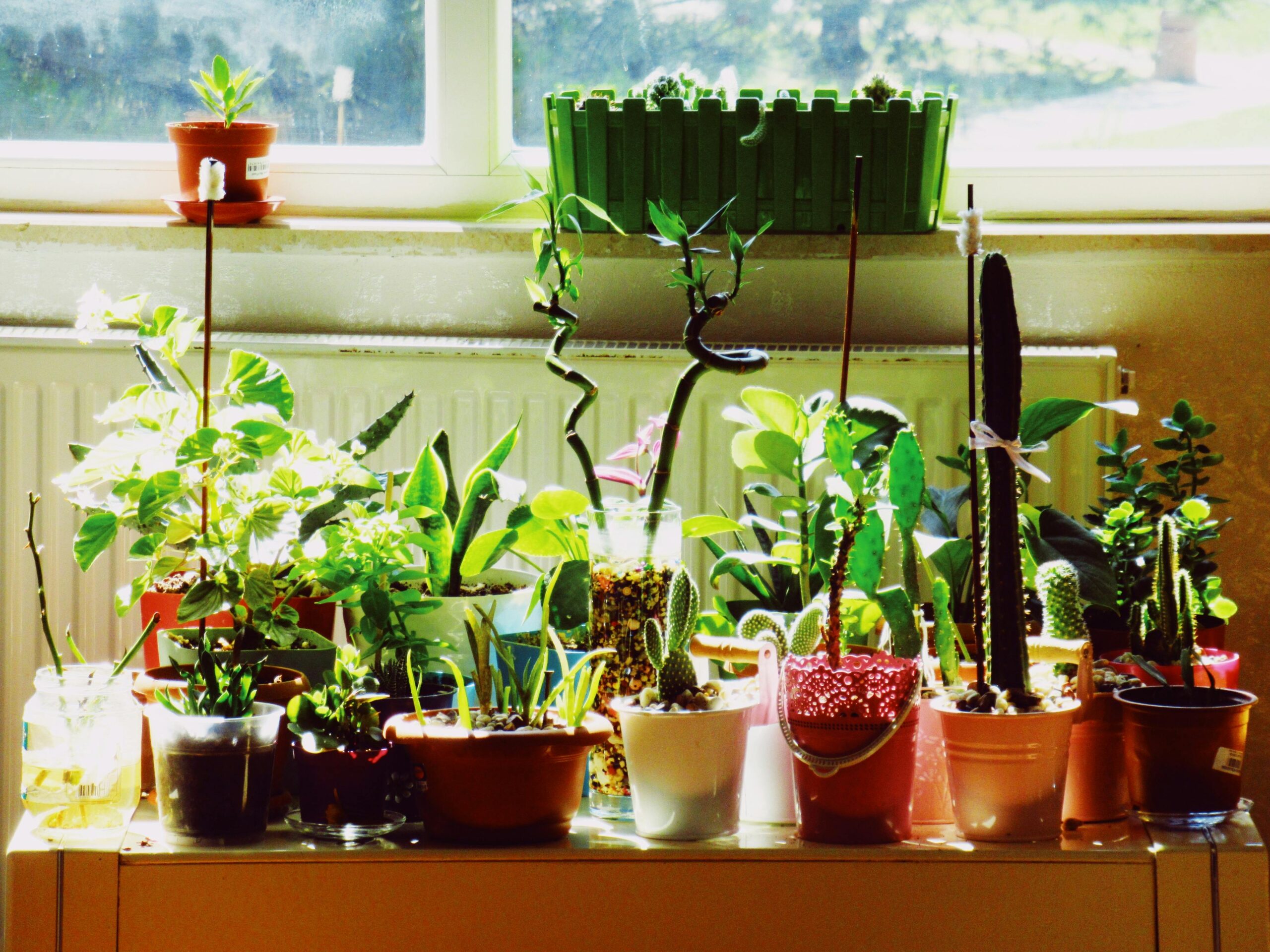
A home can look beautiful yet still feel empty. Interiorscaping fixes that problem by bringing nature indoors. It’s not just about adding plants—it’s about designing with them to improve both style and well-being. Interiorscaping is the art and practice of using indoor plants as intentional design elements to enhance the look, feel, and function of interior spaces.
It combines interior design with plant care to create healthier, more inviting homes using greenery, planters, living walls, and natural layouts.
What Exactly Does Interiorscaping Include?
Interiorscaping goes beyond placing a random plant in the corner. It focuses on balance, placement, and purpose.
Key Elements of Interiorscaping
- Indoor plants (floor plants, tabletop plants, hanging plants)
- Decorative planters that match your interior style
- Plant groupings to create visual flow
- Living or green walls for statement areas
- Light and space planning to keep plants healthy
Every plant is chosen based on light, room size, and lifestyle—not just looks.
How Interiorscaping Decorates a Home
Plants don’t just fill space. They shape it.
1. Adds Natural Beauty Without Clutter
Plants soften hard lines from furniture, walls, and flooring. They add texture and color without overwhelming the room.
2. Makes Rooms Feel Alive
A space with greenery feels active, warm, and welcoming. Even minimal homes feel more complete with plants.
3. Improves Mood and Comfort
Studies show indoor plants reduce stress and improve focus. A well-designed plant layout makes a home feel calmer.
4. Defines Areas Naturally
Large plants can divide spaces in open-plan homes without using walls or heavy furniture.
Interiorscaping vs Regular Indoor Plants
Many people confuse the two, but they’re not the same.
| Feature | Regular Indoor Plants | Interiorscaping |
|---|---|---|
| Purpose | Decoration only | Design + function |
| Plant choice | Random | Based on space & light |
| Placement | Anywhere | Strategically planned |
| Maintenance | Inconsistent | Planned care routine |
| Visual impact | Limited | Strong and balanced |
Real-World Interiorscaping Examples
Here’s how interiorscaping works in everyday homes:
Living Room
A tall fiddle-leaf fig near the sofa, smaller plants on shelves, and a hanging plant near the window create depth and balance.
Bedroom
Low-maintenance plants like snake plants or peace lilies improve air quality without demanding attention.
Kitchen
Herb plants or compact greenery on open shelves bring freshness and practical use.
Home Office
Desk plants and floor greenery reduce eye strain and make workspaces feel less sterile.
Pros and Cons of Interiorscaping
| Pros | Cons |
|---|---|
| Enhances home aesthetics | Requires basic plant care |
| Improves indoor air quality | Wrong plant choice can fail |
| Boosts mental well-being | Initial setup cost |
| Flexible for any home size | Needs proper lighting |
Frequently Asked Questions (People Also Ask)
Is interiorscaping only for large homes?
No. Small apartments benefit just as much. The key is choosing the right plants and placement.
Do interiorscaping plants need a lot of maintenance?
Not always. Many interiorscaping designs use low-maintenance plants suited to indoor conditions.
Can interiorscaping increase home value?
Yes. A well-designed interior with greenery makes homes more appealing to buyers and renters.
Is interiorscaping expensive?
It can be budget-friendly. Even a few well-placed plants can transform a space.
Final Verdict: Is Interiorscaping Worth It?
Absolutely. Interiorscaping is one of the easiest ways to make a home look stylish, feel healthier, and connect more with nature.
When done right, it’s not just decoration—it’s a lifestyle upgrade that blends beauty with comfort.
[…] for cut tulips is simple once you understand how they behave. Cold water, regular trimming, and a cool location make the biggest difference. Tulips may be delicate, but with the right care, […]
[…] Smart rule: Never buy a foreclosure just because it’s cheap—buy it because the numbers still work after the risks. […]