
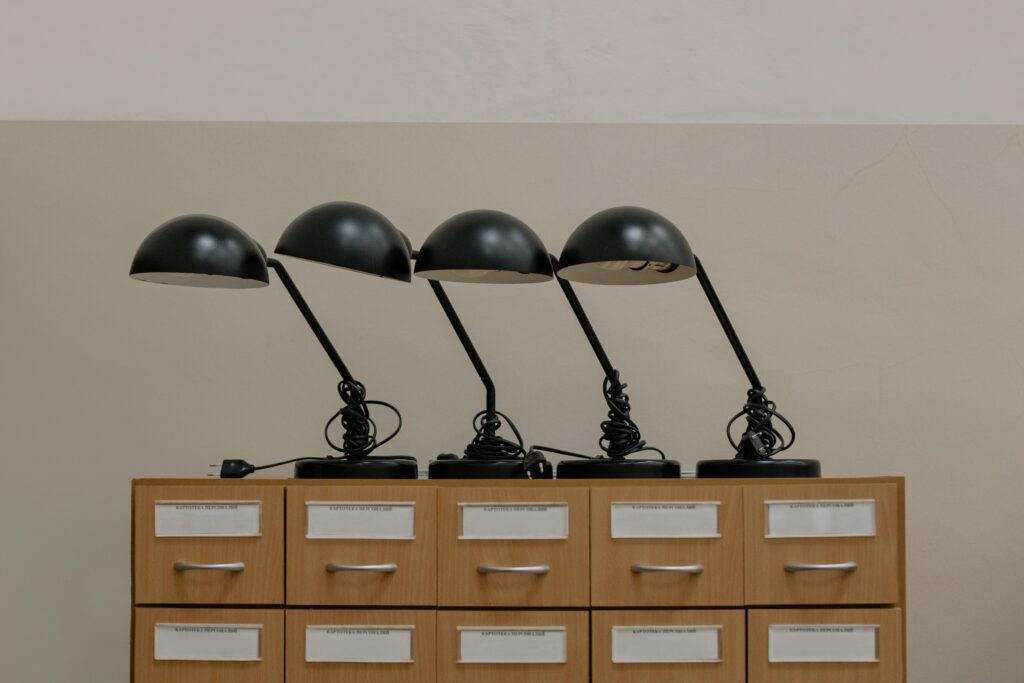
Lamp sit at an interesting crossroads between function and design. They light up a space, shape the mood, and often complete a room—but are they actually furniture? Lamps are generally not classified as furniture. In most design, retail, and legal contexts, lamps are considered lighting fixtures or home décor accessories, not furniture—though there are a few gray areas worth understanding.
Furniture usually refers to movable items designed primarily for seating, storage, or surfaces (like chairs, tables, and sofas), while lamps serve a lighting function, even if they’re movable and decorative.
What Defines Furniture?
To understand why lamps usually don’t make the cut, it helps to know what “furniture” means in practice.
Core characteristics of furniture
Furniture items usually:
- Serve a primary functional purpose (sitting, sleeping, storing, working)
- Are structural or support human activity
Examples include:
- Sofas, chairs, beds
- Tables, desks, cabinets
- Wardrobes, shelving units
Lamps don’t support physical activity—they support visibility and ambiance.
How Lamps Are Typically Classified
Interior design & home décor
In design terminology, lamps fall under:
- Lighting
- Decorative accessories
- Electrical fixtures (in some contexts)
Retail & e-commerce
Most retailers (IKEA, Wayfair, Amazon, Habitat) list lamps under:
- Lighting → Floor Lamps / Table Lamps / Desk Lamps
Not under: - Furniture → Living Room / Bedroom / Office Furniture
This classification affects search filters, shipping categories, and warranties.
The Gray Area: When Lamps Feel Like Furniture
Some lamps blur the line.
Furniture-adjacent lamp designs
- Floor lamps with built-in shelves
- Table lamps integrated into nightstands
- Arc lamps that define seating zones
In these cases, the lamp itself is still lighting, but the combined piece may be marketed as furniture + lighting.
Example:
A side table with an attached lamp may be sold as a multifunctional furniture piece, even though the lamp component alone wouldn’t qualify as furniture.
Pros & Cons of Classifying Lamps as Furniture
| Aspect | Pros | Cons |
|---|---|---|
| Design planning | Helps treat lamps as key spatial elements | Can confuse lighting vs layout decisions |
| Retail & listings | Bundled products are easier to market | Breaks standard furniture definitions |
| Real estate & insurance | Simplifies item grouping | Incorrect for legal/valuation purposes |
| User perception | Lamps feel essential to a room | Functionally different from furniture |
Real-World Examples
Interior designers
Designers usually plan furniture first (sofa, bed, table), then layer lighting afterward—clear evidence lamps are a secondary category.
Real estate listings
When a home is sold:
- Furniture is typically removed
- Lamps may stay or go, but they’re not counted as furniture in inventories
Offices & commercial spaces
Office furniture budgets are separate from:
- Lighting budgets
- Electrical and fixture planning
Lamps are treated as equipment or lighting assets, not furniture assets.
FAQs (People Also Ask)
Is a floor lamp considered furniture?
No. A floor lamp is classified as lighting, even though it’s movable and stands on the floor.
Are lamp furniture or décor?
They’re primarily lighting, but they’re often grouped with home décor accessories because of their visual impact.
Do lamp count as furniture for insurance?
Usually no. Insurance policies typically classify lamps under household contents or electrical items, not furniture.
Are built-in lamps furniture?
Built-in or hardwired lamps are closer to fixtures, not furniture, since they’re not freely movable.
Why do lamp feel like furniture?
Because they:
- Take up floor or surface space
- Influence room layout
- Act as visual anchors
But functionally, they still serve light—not living support.
Final Verdict
Lamp is not considered furniture in most professional, retail, or legal contexts. They belong to the lighting category, sometimes overlapping with décor and accessories. While certain designs blur the line, furniture supports how we use a space—lamps support how we see it