

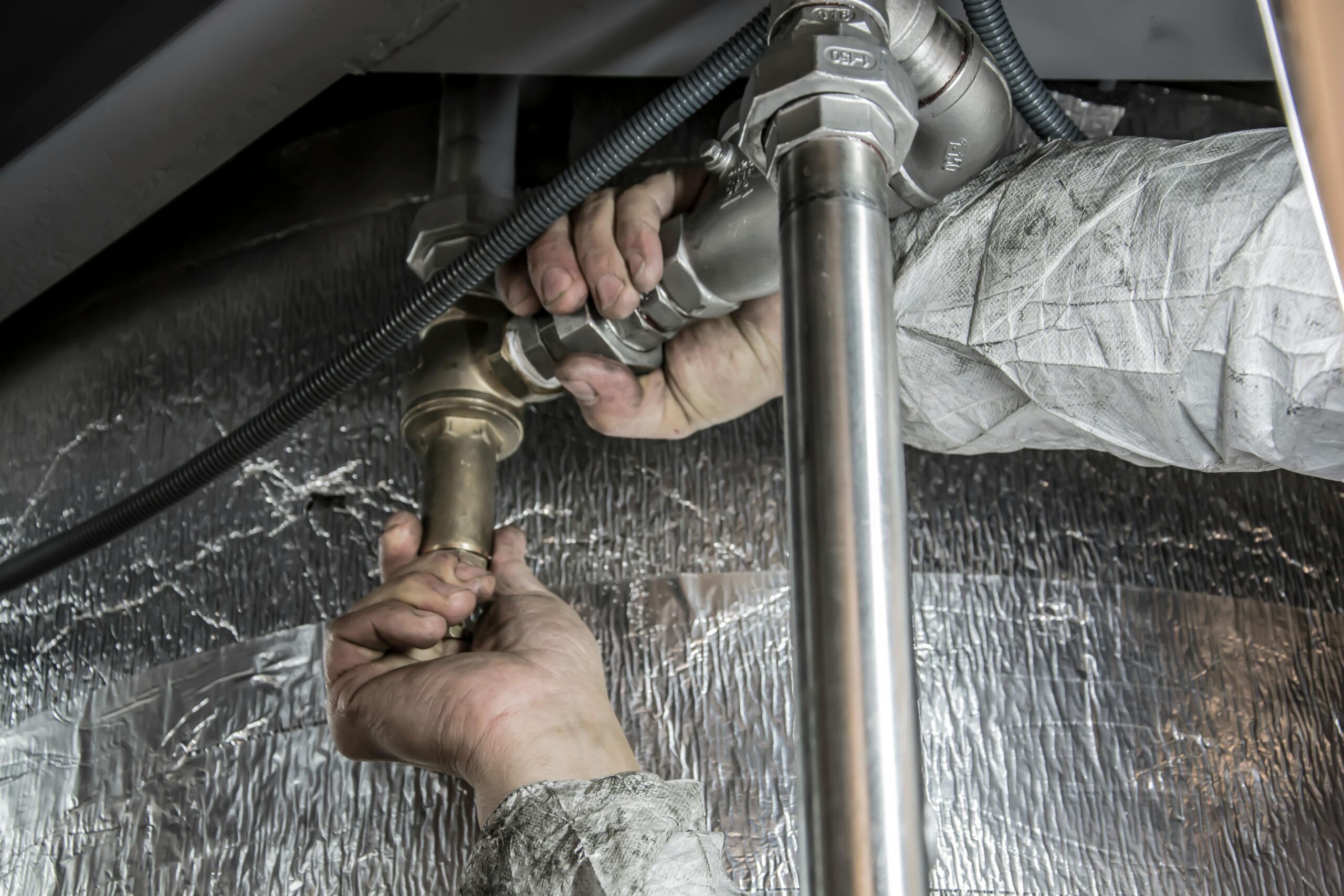
Water damage is one of the most destructive problems a property owner can face. A burst pipe, leaking roof, storm flooding, or hidden plumbing leak can soak walls, floors, and insulation within minutes and it can be solved by Moisture Mapping Services. The visible damage is only part of the problem. Moisture often spreads behind walls, under flooring, and inside building materials where it cannot be seen.
This is where moisture mapping services become essential.
Moisture mapping is a professional inspection process used during water damage restoration. It uses specialized tools to locate, measure, and document hidden moisture in a building. The goal is simple: identify every wet area so technicians can dry it properly and prevent mold or structural damage.
In this guide, you will learn how moisture mapping works, why it matters for water damage restoration, and how it helps restore a property safely and efficiently.
What Are Moisture Mapping Services?
Moisture mapping services are a detailed inspection process used to detect and track moisture levels in a building after water damage.
Technicians use advanced equipment to scan floors, walls, ceilings, and structural materials. The collected data is then turned into a visual map that shows where moisture is present and how severe it is.
This map guides the restoration team so they know exactly:
- Where water has spread
- Which materials are saturated
- Which areas require drying equipment
- When the building has fully dried
Without moisture mapping, restoration teams would rely mostly on visible signs of water damage. Unfortunately, hidden moisture often remains behind surfaces, leading to mold growth and long-term structural issues.
Moisture mapping removes that guesswork.
Why Moisture Mapping Is Important in Water Damage Restoration
Many people assume that once surfaces look dry, the problem is solved. In reality, water can remain trapped inside building materials for days or even weeks.
Moisture mapping prevents this hidden damage.
1. Detects Hidden Moisture
Water can travel through porous materials like drywall, wood, and insulation. Even if a floor looks dry, moisture may still exist beneath it.
Mapping tools help technicians find these hidden wet areas.
2. Prevents Mold Growth
Mold can begin growing within 24 to 48 hours in damp environments. If moisture is not detected early, mold colonies can spread quickly through walls and ventilation systems.
Moisture mapping helps stop this risk by identifying damp materials before mold develops.
3. Improves Drying Efficiency
Restoration companies place drying equipment such as air movers and dehumidifiers based on the moisture map. This ensures equipment targets the areas that need drying the most.
The result is faster and more effective restoration.
4. Provides Documentation for Insurance Claims
Insurance companies often require evidence of water damage and drying progress. Moisture maps provide detailed records that show:
- Initial moisture levels
- Affected areas
- Drying progress over time
This documentation helps support insurance claims and avoids disputes.
How Moisture Mapping Works
Moisture mapping follows a systematic inspection process. Restoration technicians combine visual inspection with specialized equipment to gather accurate data.
Step 1: Initial Property Inspection
The process begins with a walkthrough of the affected property. Technicians look for visible signs of water damage such as:
- Stains on ceilings or walls
- Warped flooring
- Peeling paint
- Damp odors
They also identify the water source and affected areas.
Step 2: Moisture Detection with Specialized Tools
Professionals use several tools to measure moisture levels inside materials.
Common equipment includes:
- Moisture meters – measure moisture inside wood, drywall, and building materials
- Thermal imaging cameras – detect temperature differences that indicate hidden moisture
- Hygrometers – measure humidity levels in the air
- Infrared scanners – locate water behind walls and ceilings
These tools help identify areas that appear dry but still contain moisture.
Step 3: Creating the Moisture Map
After collecting readings, technicians create a moisture map of the property.
The map highlights:
- Wet areas
- Damp areas
- Dry areas
Some restoration companies use digital software to create visual diagrams showing moisture levels in different rooms and structures.
Step 4: Monitoring Drying Progress
Moisture mapping does not end after the initial inspection.
Technicians repeat the measurements during the drying process to track progress. If certain areas remain wet, they adjust drying equipment to improve results.
The process continues until all materials return to normal moisture levels.
Equipment Used in Moisture Mapping
Accurate moisture detection requires professional-grade equipment. Each tool plays a specific role in the inspection process.
Moisture Meters
Moisture meters are the most common tools used in restoration. They measure moisture content inside materials like wood, drywall, and concrete.
Two common types include:
- Pin meters – use small probes to measure moisture inside materials
- Pinless meters – scan surfaces without penetrating them
Thermal Imaging Cameras
Thermal cameras detect temperature differences. Wet materials often appear cooler than dry areas, making it easier to spot hidden moisture.
This technology is useful for inspecting:
- Walls
- Ceilings
- Insulation
- Floors
Hygrometers
Hygrometers measure humidity levels and temperature inside the building. High humidity indicates that moisture may still be present in the environment.
These readings help technicians determine the proper drying strategy.
Data Logging Systems
Some restoration companies use digital monitoring systems that track moisture levels continuously. These systems store data and generate reports for insurance documentation.
Benefits of Moisture Mapping Services
Moisture mapping offers several advantages for property owners and restoration professionals.
| Benefit | Explanation |
|---|---|
| Accurate moisture detection | Identifies hidden water inside building materials |
| Faster restoration | Helps technicians focus drying efforts on the right areas |
| Mold prevention | Removes moisture before mold begins growing |
| Structural protection | Prevents long-term damage to wood, drywall, and insulation |
| Insurance documentation | Provides detailed reports that support claims |
Real-World Examples of Moisture Mapping in Action
Understanding real scenarios helps explain how valuable moisture mapping can be.
1: Hidden Bathroom Leak
A homeowner notices a small stain on the ceiling below a bathroom. At first, it seems minor.
A moisture mapping inspection reveals that water has spread through insulation and wooden beams. The restoration team removes the affected materials and dries the structure before mold develops.
Without mapping, the damage might have remained hidden until structural repairs were needed.
2: Flooded Basement
After heavy rain, a basement floods with several inches of water. The visible water is removed quickly.
However, moisture mapping shows that water has seeped into nearby walls and floor framing. Drying equipment is placed in those areas to prevent mold and wood rot.
3: Commercial Building Water Damage
In office buildings, water can spread through large areas quickly. Moisture mapping allows restoration teams to document damage across multiple rooms and floors.
This helps business owners reopen faster while ensuring the building is fully dry.
Moisture Mapping vs. Standard Water Damage Inspection
Many property owners wonder how moisture mapping differs from a standard inspection.
A typical inspection relies on visible signs of damage, while moisture mapping uses advanced tools to measure moisture levels inside materials.
| Feature | Standard Inspection | Moisture Mapping |
|---|---|---|
| Visual inspection | Yes | Yes |
| Hidden moisture detection | Limited | Advanced tools |
| Moisture measurements | Minimal | Detailed readings |
| Documentation | Basic | Detailed moisture reports |
| Drying guidance | General | Data-driven strategy |
Moisture mapping provides a much more accurate and reliable restoration plan.
When You Should Use Moisture Mapping Services
Moisture mapping is recommended in many water damage situations.
Common scenarios include:
- Burst or leaking pipes
- Roof leaks
- Flood damage
- Storm water intrusion
- Appliance leaks (washing machines, dishwashers, water heaters)
- Sewage backups
- Long-term hidden leaks
Even small water incidents can cause hidden moisture problems. Early mapping helps detect issues before they worsen.
Signs Your Property May Need Moisture Mapping
Sometimes water damage is not obvious. Watch for these warning signs:
- Musty or damp odors
- Warped flooring
- Discolored walls or ceilings
- Peeling paint or wallpaper
- Unexpected increases in indoor humidity
- Persistent allergy symptoms
These signs often indicate hidden moisture that requires professional inspection.
Choosing the Right Moisture Mapping Service
Not all restoration companies offer the same level of moisture detection. Choosing the right provider makes a big difference.
Look for companies that offer:
Certified Restoration Technicians
Technicians should have training in water damage restoration and moisture detection.
Advanced Equipment
Professional moisture mapping requires tools like thermal cameras and moisture meters.
Detailed Reports
A good company provides written documentation showing moisture readings and drying progress.
Experience in Water Damage Restoration
Companies that specialize in restoration understand how moisture spreads through building materials.
FAQs About Moisture Mapping Services
What is moisture mapping in water damage restoration?
Moisture mapping is a process that uses specialized tools to detect and track moisture levels inside building materials. It helps restoration professionals locate hidden water and guide the drying process.
How long does moisture mapping take?
The initial inspection typically takes 1 to 2 hours, depending on the size of the property and the extent of the damage.
Can moisture mapping detect mold?
Moisture mapping does not directly detect mold, but it identifies damp areas where mold is likely to grow.
Is moisture mapping necessary for small leaks?
Yes. Even small leaks can spread moisture into hidden areas like insulation or subfloors. Mapping helps ensure those areas are properly dried.
Does insurance cover moisture mapping?
In many cases, insurance policies that cover water damage also cover professional inspection and documentation services such as moisture mapping.
Final Verdict
Moisture mapping services play a critical role in modern water damage restoration. They provide accurate data about where water has spread and how severe the damage is.
Instead of relying on guesswork, restoration professionals use moisture mapping to guide the drying process, prevent mold growth, and protect structural materials.
For property owners, this means faster restoration, lower repair costs, and a safer indoor environment.
If your property has experienced water damage—even from a small leak—professional moisture mapping can help ensure the problem is fully resolved before it leads to bigger issues.
[…] bocce ball court is a long, narrow playing surface designed for the traditional Italian lawn game called bocce. The court has raised sideboards and a smooth surface that allows the balls […]