

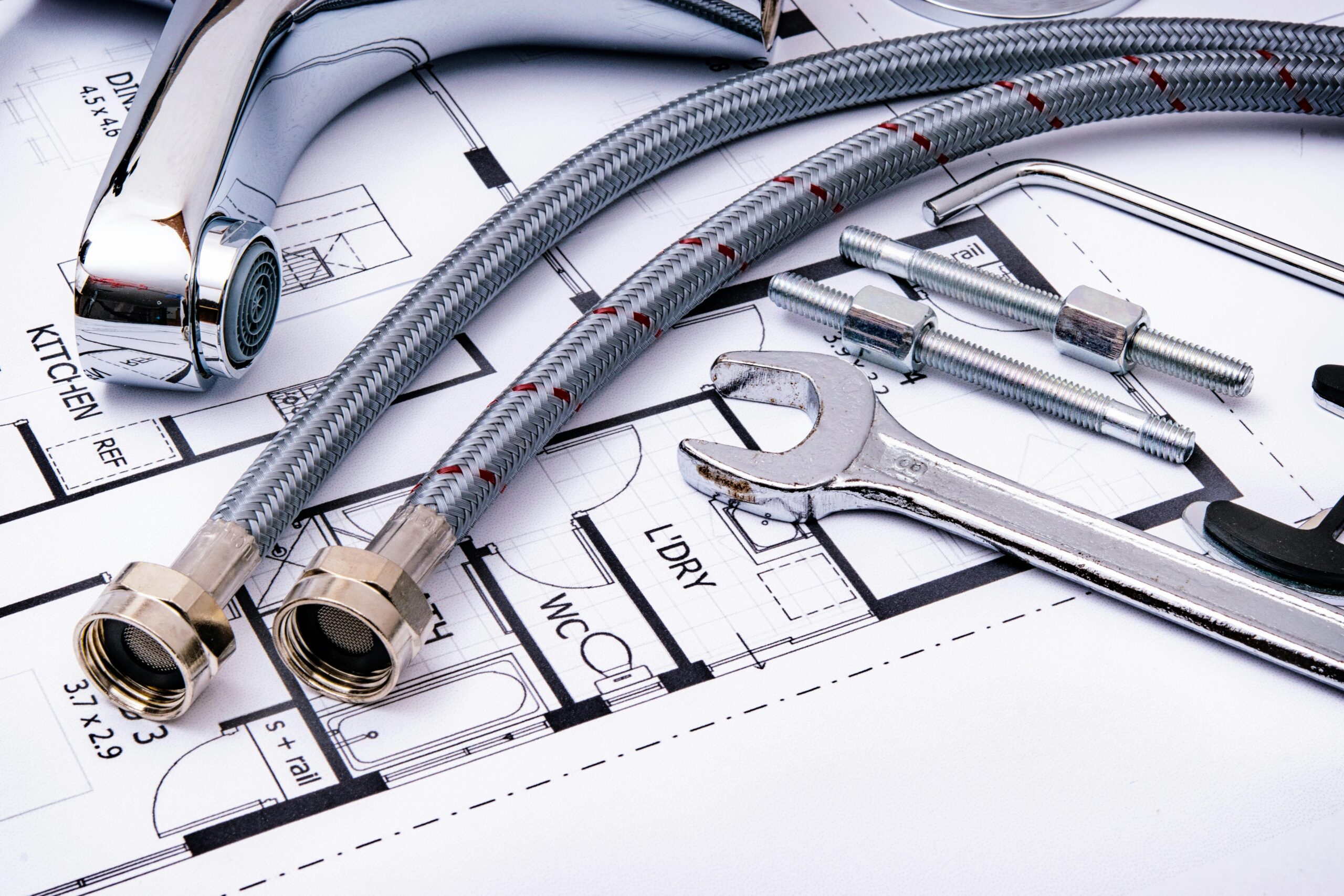
Modern plumbing is more than pipes and drains.
Advanced sanitation and drainage systems are engineered networks that safely supply clean water, remove wastewater, prevent contamination, control odors, and protect public health — all while reducing water waste and energy use.
If you’ve ever turned on a tap or flushed a toilet without thinking twice, you’ve benefited from these systems.
Let’s break down how they work, what makes them “advanced,” and why they matter.
What Are Advanced Sanitation and Drainage Systems?
Advanced sanitation and drainage systems combine:
- Pressurized water supply systems
- Gravity-based and vacuum drainage networks
- Smart leak detection technology
- Backflow prevention devices
- Modern wastewater treatment integration
- Sustainable water reuse solutions
They are designed for efficiency, hygiene, durability, and environmental protection.
Unlike old plumbing systems, modern setups focus on:
- Preventing contamination
- Reducing water consumption
- Minimizing blockages
- Monitoring system health in real time
How Advanced Water Supply Systems Work
Clean water enters a building through a pressurized main supply line.
Key components include:
1. Pressure Regulating Valves (PRVs)
These maintain safe water pressure.
Too much pressure damages pipes. Too little causes weak flow.
2. PEX and CPVC Piping
Modern materials resist corrosion and scale buildup.
They last longer than traditional galvanized steel.
3. Smart Water Monitoring
Sensors detect:
- Leaks
- Abnormal pressure
- Unusual water use
Some systems even send alerts to your phone.
Result: Safer water, lower repair costs, and better efficiency.
Advanced Drainage Systems Explained
Drainage systems move wastewater away from buildings using gravity or controlled pressure.
Here’s how advanced systems improve performance.
1. Slope-Optimized Drain Lines
Pipes are installed at precise angles.
Too steep causes solids to stick.
Too flat causes blockages.
Proper slope ensures smooth waste flow.
2. Venting Systems
Vent pipes:
- Release sewer gases
- Balance air pressure
- Improve drainage speed
Without venting, drains gurgle and empty slowly.
3. Backflow Prevention Devices
These stop contaminated water from flowing backward into clean water lines.
This is critical in:
- Hospitals
- Commercial buildings
- Flood-prone areas
4. Trenchless Drain Technology
Modern repairs often avoid digging.
Methods like:
- Pipe relining
- Pipe bursting
Allow plumbers to repair underground lines without destroying landscaping.
Smart Sanitation Systems
Today’s systems integrate technology.
Touchless Fixtures
- Sensor faucets
- Automatic flush valves
- Self-cleaning toilets
These reduce germ spread and water waste.
Greywater Recycling
Water from sinks and showers can be treated and reused for:
- Toilet flushing
- Irrigation
This reduces overall water consumption.
On-Site Wastewater Treatment
In some buildings, compact treatment units clean wastewater before releasing it into municipal systems.
This reduces strain on city infrastructure.
Pros and Cons of Advanced Plumbing Systems
| Pros | Cons |
|---|---|
| Improved hygiene and sanitation | Higher upfront installation cost |
| Reduced water waste | Requires skilled installation |
| Lower long-term maintenance | Smart systems need power/internet |
| Early leak detection | Repairs can require specialized parts |
| Eco-friendly operation | Retrofit may be complex in old buildings |
Real-World Examples
Smart Home Leak Protection
A homeowner installs a smart water shutoff valve.
A pipe bursts while they are on vacation.
The system detects unusual flow and automatically shuts off the main valve.
Damage is reduced from $25,000 to minor drywall repair.
Hospital Sanitation Upgrade
A hospital upgrades to:
- Touchless faucets
- Backflow preventers
- Advanced filtration
The result:
- Reduced infection risks
- Better regulatory compliance
- Lower water use
Commercial Building Drainage Retrofit
A 30-year-old office building switches to trenchless pipe relining.
Instead of tearing up floors:
- Liners are inserted into old pipes
- Structural strength is restored
- Downtime is minimal
Business operations continue uninterrupted.
Why Advanced Drainage and Sanitation Systems Matter
Poor plumbing spreads disease.
Historically, cities suffered outbreaks due to improper sanitation.
Modern systems prevent:
- Cross-contamination
- Sewer gas exposure
- Flooding
- Water waste
They protect:
- Public health
- Property value
- The environment
FAQs (People Also Ask)
What is the difference between sanitation and drainage?
Sanitation focuses on hygiene and safe waste removal.
Drainage refers specifically to moving wastewater away from buildings.
They work together but serve different purposes.
What materials are used in modern drainage systems?
Common materials include:
- PVC
- CPVC
- PEX
- HDPE
These resist corrosion and last longer than metal pipes.
How do advanced drainage systems prevent blockages?
They use:
- Proper pipe slope
- Venting systems
- Smooth interior pipe materials
- Backflow prevention
Some systems include inspection cameras for early detection.
Are smart plumbing systems worth it?
For many property owners, yes.
They:
- Prevent costly water damage
- Reduce water bills
- Provide real-time monitoring
The initial cost is higher, but long-term savings often justify it.
Final Verdict
Advanced sanitation and drainage systems are engineered for safety, efficiency, and sustainability.
They combine:
- Durable modern materials
- Precise installation standards
- Smart monitoring technology
- Water-saving innovations
The result is cleaner water, safer buildings, and fewer plumbing emergencies.
If you’re building new or upgrading an old system, investing in advanced plumbing technology is not just about convenience — it’s about protecting health, property, and long-term costs.
Modern plumbing isn’t just infrastructure.
It’s public health in action.