

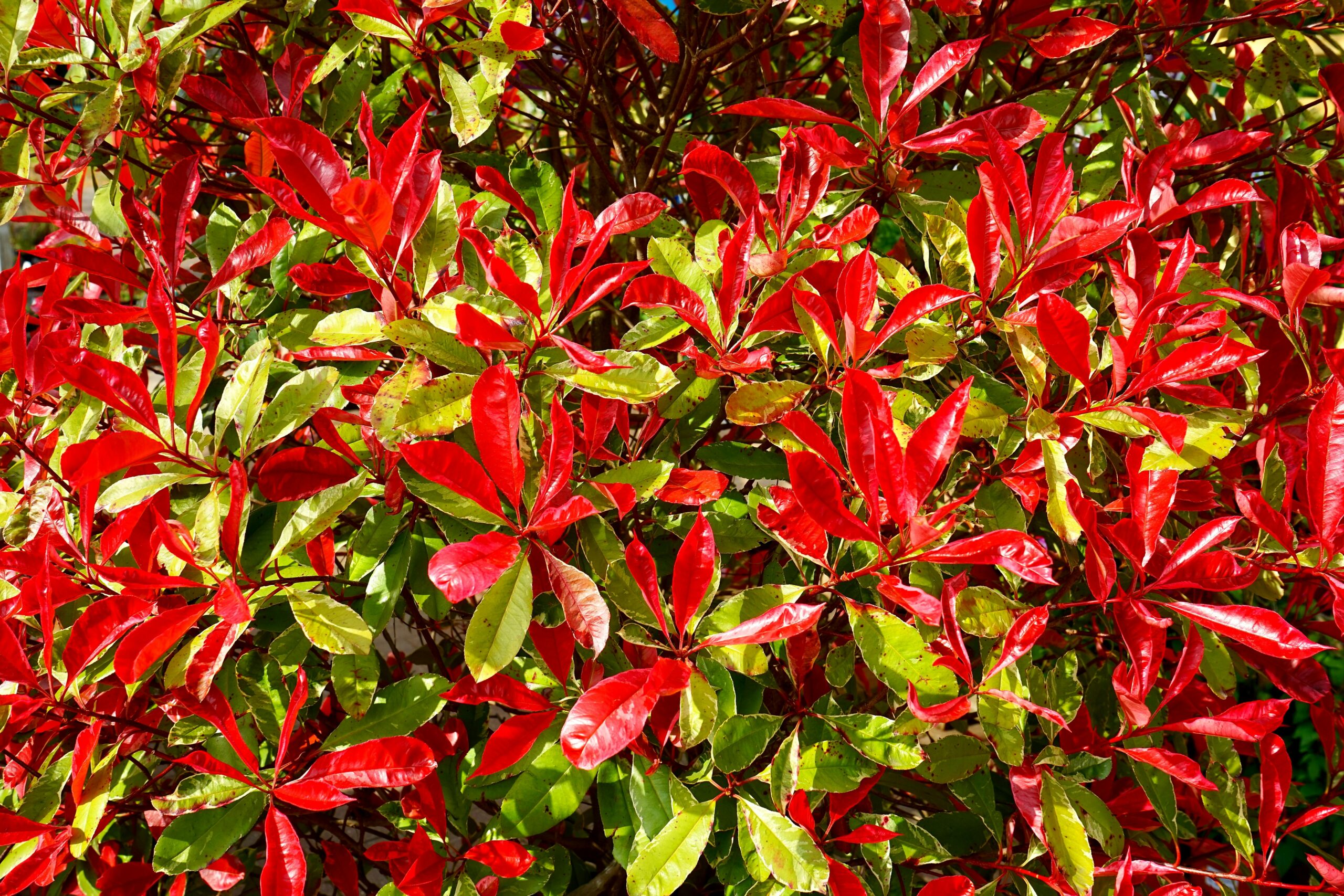
Red Tip Photinia is a popular evergreen shrub known for its striking red new growth and dense, glossy foliage. Homeowners love it for privacy hedges, foundation plantings, and landscape borders. Gardeners appreciate it because it grows fast, adapts well to many climates, and responds nicely to pruning.
In this complete guide, you’ll learn how to grow, care for, prune, and protect Red Tip Photinia so it stays healthy and vibrant year after year. Whether you’re planting one shrub or an entire hedge, this article walks you through every step in clear, practical language.
What Is Red Tip Photinia?
Red Tip Photinia is an evergreen shrub or small tree that belongs to the rose family. Its most eye-catching feature is the bright red young leaves that appear in spring and after pruning. As the leaves mature, they turn a deep, glossy green.
Key Characteristics
- Growth habit: Upright, dense, and bushy
- Mature size: 10–15 feet tall, 5–10 feet wide
- Growth rate: Fast (up to 2 feet per year)
- Foliage: Evergreen with red new growth
- Flowers: Small white clusters in spring
- Best use: Hedges, screens, borders, and accent plants
Because of its size and density, Red Tip Photinia is often used as a natural privacy wall.
Why Choose Red Tip Photinia for Your Landscape?
Red Tip Photinia offers both beauty and function. It works well in residential and commercial landscapes.
Top Benefits
- Creates instant privacy
- Adds year-round color
- Responds well to shaping
- Tolerates urban conditions
- Grows quickly compared to many shrubs
If you want a bold, evergreen hedge without waiting years, this plant is a strong choice.
Best Climate and Growing Zones
Red Tip Photinia grows best in USDA hardiness zones 7 to 10. It prefers mild winters and warm summers.
Ideal Conditions
- Warm, humid regions with good airflow
- Protection from harsh winter winds
- Not ideal for areas with long, freezing winters
In cooler regions, plant it in a sheltered spot to reduce cold stress.
Choosing the Right Planting Location
Where you plant Red Tip Photinia directly affects its health.
Sunlight Requirements
- Best: Full sun to partial shade
- Minimum: 4–6 hours of sunlight daily
More sun leads to stronger red leaf color and denser growth. Too much shade causes leggy branches and dull foliage.
Spacing Matters
- For hedges: Space plants 5–6 feet apart
- For single shrubs: Allow at least 8–10 feet of space
Proper spacing improves airflow and reduces disease risk.
Soil Requirements
Red Tip Photinia is adaptable, but soil quality still matters.
Best Soil Type
- Well-drained soil
- Loamy or sandy soil works best
- Slightly acidic to neutral pH
Soil Tips
- Avoid heavy clay that holds water
- Improve poor soil with compost
- Raised beds help in wet areas
Good drainage is essential. Soggy soil leads to root problems and fungal diseases.
How to Plant Red Tip Photinia (Step-by-Step)
Planting correctly gives your shrub a strong start.
1: Dig the Hole
- Dig twice as wide as the root ball
- Depth should match the root ball height
2: Prepare the Soil
- Mix native soil with compost
- Break up compacted soil
3: Position the Plant
- Place the shrub at ground level
- Do not bury the trunk
4: Backfill and Water
- Fill the hole gently
- Water deeply to remove air pockets
5: Mulch
- Add 2–3 inches of mulch
- Keep mulch away from the trunk
Mulching helps retain moisture and regulate soil temperature.
Watering Red Tip Photinia Properly
Watering habits change as the plant matures.
New Plants
- Water deeply 2–3 times per week
- Keep soil evenly moist
Established Plants
- Water once per week during dry periods
- Reduce watering in cooler months
Signs of Water Stress
- Yellow leaves: Overwatering
- Drooping leaves: Underwatering
Always water at the base to keep foliage dry.
Fertilizing for Healthy Growth
Red Tip Photinia does not need heavy feeding, but the right fertilizer helps.
When to Fertilize
- Early spring
- Optional second feeding in early summer
Best Fertilizer
- Balanced slow-release fertilizer (10-10-10)
- Organic compost works well
Avoid high-nitrogen fertilizers late in the season. They encourage tender growth that may get damaged by cold.
Pruning and Shaping Red Tip Photinia
Pruning keeps the plant healthy and controls size.
Best Time to Prune
- Late winter or early spring
- Light trimming after new growth hardens
Pruning Tips
- Use clean, sharp tools
- Remove dead or crossing branches
- Shape gradually, not aggressively
Frequent light pruning improves airflow and reduces disease risk.
How to Maintain Bright Red Leaf Color
The red tips are the main attraction.
Tips for Better Color
- Provide plenty of sunlight
- Prune lightly to trigger new growth
- Avoid excessive shade
- Feed moderately in spring
Too much fertilizer can reduce color intensity.
Common Diseases and Problems
Red Tip Photinia is attractive, but it can face issues if not cared for properly.
Leaf Spot Disease
This is the most common problem.
Symptoms:
- Red or black spots on leaves
- Leaf drop
- Thinning foliage
Prevention:
- Improve air circulation
- Avoid overhead watering
- Prune infected branches
Root Rot
Caused by poor drainage.
Solution:
- Improve soil drainage
- Reduce watering
- Avoid planting in low areas
Pests That May Affect Red Tip Photinia
While generally pest-resistant, occasional issues may appear.
Common Pests
- Aphids
- Spider mites
- Scale insects
Control Methods
- Hose off pests with water
- Use insecticidal soap if needed
- Encourage beneficial insects
Early detection keeps infestations small.
Winter Care Tips
In colder regions, winter protection helps.
Cold Weather Care
- Mulch roots heavily
- Avoid late-season pruning
- Water before the first freeze
Evergreen leaves lose moisture in winter, so hydration matters.
Can You Grow Red Tip Photinia in Containers?
Yes, but it requires more attention.
Container Growing Tips
- Use a large, heavy pot
- Choose well-draining soil
- Water more often than ground plants
- Prune regularly to control size
Container plants may need winter protection in cold climates.
How Fast Does Red Tip Photinia Grow?
Red Tip Photinia grows 1–2 feet per year under good conditions. This makes it one of the fastest ways to establish a tall hedge.
Growth rate depends on:
- Sunlight
- Soil quality
- Watering
- Pruning habits
Landscaping Ideas Using Red Tip Photinia
This shrub is versatile in design.
Popular Uses
- Privacy hedges
- Property borders
- Windbreaks
- Foundation planting
- Focal points
It pairs well with flowering shrubs and ornamental grasses.
Pros and Cons of Red Tip Photinia
Pros
- Fast growth
- Bold red foliage
- Evergreen coverage
- Easy to shape
Cons
- Susceptible to leaf spot
- Needs regular pruning
- Not ideal for cold climates
Understanding both sides helps you decide if it fits your landscape.
Frequently Asked Questions
Is Red Tip Photinia toxic?
Yes, parts of the plant can be toxic to pets if ingested. Keep animals away from fallen leaves.
How long does Red Tip Photinia live?
With proper care, it can live 20 years or more.
Can it handle full sun?
Yes. Full sun improves color and growth, as long as soil stays moist but not wet.
Final Thoughts:
Red Tip Photinia is an excellent choice if you want fast privacy, bold color, and evergreen structure. It rewards good care with vibrant red growth and dense foliage. The key is proper spacing, good airflow, and regular pruning.
If you live in a suitable climate and can manage basic maintenance, Red Tip Photinia can become one of the strongest features in your landscape—both practical and beautiful.
[…] A gable roof has two sloping sides that meet at the top, forming a triangular shape on each end. These vertical ends are called “gables,” which give the roof its name. […]