

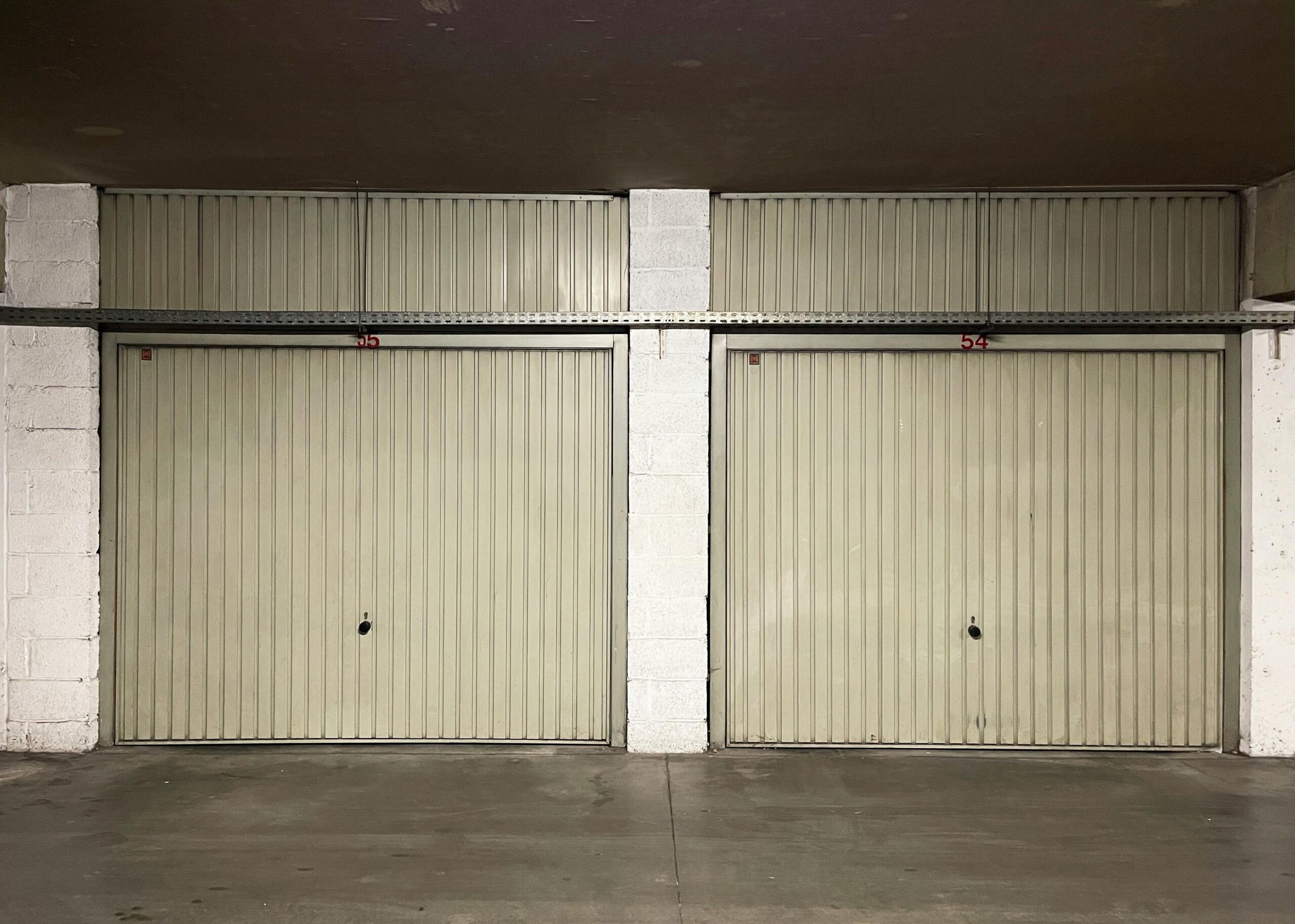
A garage door is one of the largest moving parts of any home. It also happens to be one of the biggest sources of air leaks, water entry, dust, pests, and outdoor noise. If your garage feels cold in winter, hot in summer, or always seems dusty, poor weather sealing is usually the reason. Weather-seal a garage door is not a complicated project.
Most homeowners can do it with basic tools and a few hours of work. When done correctly, sealing your garage door improves energy efficiency, protects stored items, reduces noise, and keeps insects and rodents outside where they belong.
This expert guide explains six proven ways to weather-seal a garage door. Each method targets a different weak spot, so you can seal the door fully instead of relying on a single fix. The steps are simple, practical, and written in clear, human-friendly language.
Why Weather-Sealing a Garage Door Matters
Before diving into the methods, it helps to understand why this task is worth your time.
A poorly sealed garage door can cause several problems:
- Cold drafts in winter and heat buildup in summer
- Higher energy bills due to air leakage
- Water seepage during heavy rain
- Dust, pollen, and debris entering the garage
- Insects, mice, and other pests finding easy access
- Rust, warping, or damage to stored items
If your garage is attached to your home, these issues can spread indoors. Even a detached garage benefits from proper sealing because it protects tools, vehicles, and storage.
Weather-sealing is a low-cost improvement with long-term benefits.
1. Install or Replace the Bottom Door Seal
Why the Bottom Seal Is Critical
The gap between the garage door and the floor is the most common entry point for air, water, and pests. Concrete floors are rarely perfectly level, which makes this area especially vulnerable.
A bottom door seal (also called a door sweep or gasket) creates a flexible barrier that presses against the floor when the door closes.
Types of Bottom Garage Door Seals
There are several styles available:
- T-style seals – Slide into a track on the door
- U-style seals – Fit over the bottom edge
- Bulb-style seals – Rounded shape for uneven floors
- Brush-style seals – Good for dusty environments
Choose a seal designed specifically for garage doors, not standard house doors.
How to Install a Bottom Seal
- Close the garage door fully.
- Measure the width of the door accurately.
- Remove the old seal if one exists.
- Slide or attach the new seal according to the manufacturer’s instructions.
- Trim excess material for a snug fit.
Make sure the seal presses firmly against the floor without bunching or dragging.
When to Replace It
Replace the bottom seal if you notice:
- Cracks or brittleness
- Flattened areas that no longer touch the floor
- Visible daylight under the door
Most bottom seals last 3–5 years depending on climate and use.
2. Add Weatherstripping Along the Sides and Top
Where Air Leaks Happen
Even if the bottom is sealed, air can still enter through the sides and top of the garage door. These gaps are often overlooked but can be just as problematic.
Weatherstripping along the door frame closes these spaces.
Best Weatherstripping Materials
Common options include:
- Vinyl weatherstripping – Durable and moisture-resistant
- Rubber weatherstripping – Flexible and effective for tight seals
- Foam-backed strips – Budget-friendly but less durable
Vinyl or rubber works best for garages because they handle temperature changes well.
Installation Steps
- Close the garage door.
- Measure the vertical sides and top of the door frame.
- Cut weatherstripping to size.
- Position it so the flexible edge lightly presses against the door.
- Nail or screw it into place, checking alignment as you go.
The goal is contact, not pressure. Too much pressure can make the door hard to open.
Signs It’s Working
- No visible gaps when the door is closed
- Reduced drafts near the door edges
- Less dust accumulating inside the garage
3. Seal Gaps With Garage Door Threshold Seal
What a Threshold Seal Does
A garage door threshold seal is installed directly on the floor, creating a raised barrier that the door closes against. This method works especially well for:
- Sloped driveways
- Uneven concrete floors
- Areas with heavy rain or snow
It adds a second layer of protection below the door.
Benefits of a Threshold Seal
- Blocks water from flowing under the door
- Improves airtight sealing
- Enhances the effectiveness of the bottom seal
- Reduces pest entry
How to Install a Threshold Seal
- Clean the garage floor thoroughly.
- Dry the surface completely.
- Apply construction adhesive along the seal channel.
- Press the threshold seal firmly into place.
- Let it cure according to adhesive instructions.
Close the door gently to ensure proper alignment while the adhesive sets.
Pro Tip
Choose a bright-colored threshold if you want added visibility to prevent tripping.
4. Insulate the Garage Door Panels
Why Insulation Matters
Weather sealing stops air leaks, but insulation slows heat transfer. If your garage door is thin metal or uninsulated wood, it can act like a radiator—bringing outdoor temperatures inside.
Insulating the door panels improves comfort and energy efficiency.
Types of Garage Door Insulation
- Foam board panels – Lightweight and easy to cut
- Reflective insulation – Reduces radiant heat
- Batt insulation kits – Designed specifically for garage doors
Foam board insulation offers the best balance of performance and ease.
Installation Process
- Measure each door panel section.
- Cut insulation to fit snugly.
- Insert panels into door recesses or attach with adhesive clips.
- Ensure insulation does not interfere with door movement.
Avoid overloading the door with heavy materials.
Extra Benefits
- Quieter door operation
- Better temperature stability
- Protection for items stored near the door
5. Seal Cracks and Gaps Around the Garage Frame
Hidden Air Leaks
Even with door seals in place, gaps around the garage door frame or wall openings can let air and moisture in. These gaps often appear where wood meets concrete or siding.
Materials You’ll Need
- Exterior-grade caulk
- Expanding foam (low-expansion type)
- Caulking gun
- Utility knife
Step-by-Step Sealing
- Inspect the perimeter of the garage door frame.
- Look for cracks, holes, or separation lines.
- Apply caulk to small gaps.
- Use expanding foam for larger voids.
- Trim excess foam once cured.
Choose products labeled for exterior use to handle temperature changes.
Where to Check Carefully
- Upper corners of the frame
- Where trim meets siding
- Between concrete and framing
These spots are common trouble areas.
6. Maintain and Adjust the Garage Door Alignment
Why Alignment Affects Sealing
A garage door that is out of alignment cannot seal properly, no matter how good the weatherstripping is. Gaps appear when the door does not sit evenly in the frame.
Common Alignment Issues
- Worn rollers
- Loose tracks
- Sagging door panels
- Uneven tension in springs
Basic Maintenance Tips
- Tighten loose bolts and brackets
- Lubricate rollers and hinges
- Clean tracks of dirt and debris
- Check that the door closes evenly on both sides
If the door looks crooked when closed, alignment may be off.
When to Call a Professional
If adjustments involve springs or major track repairs, contact a garage door technician. Springs are under high tension and can be dangerous to handle without proper tools.
How to Know If Your Garage Door Is Fully Sealed
After completing these six methods, test your work.
Simple Tests You Can Do
- Light test: Turn off garage lights during the day. Look for daylight around the door.
- Hand test: Run your hand along edges on a windy day to feel for drafts.
- Water test: Spray water outside the door and check for leaks inside.
If you find problem areas, adjust seals as needed.
Common Mistakes to Avoid
Even small mistakes can reduce effectiveness.
- Using indoor-only weatherstripping outdoors
- Applying seals without cleaning surfaces
- Over-tightening weatherstripping
- Ignoring alignment issues
- Skipping insulation on metal doors
Taking time to install materials correctly makes a big difference.
Cost Breakdown: What to Expect
Weather-sealing a garage door is affordable compared to other home improvements.
Approximate costs:
- Bottom door seal: Low cost
- Side and top weatherstripping: Low to moderate cost
- Threshold seal: Moderate cost
- Insulation kits: Moderate cost
- Caulk and foam: Minimal cost
Most homeowners can complete the project for a fraction of what energy loss costs over time.
Long-Term Benefits of Weather-Sealing a Garage Door
Once properly sealed, you’ll notice improvements quickly.
- More stable indoor temperatures
- Lower heating and cooling costs
- Cleaner garage space
- Reduced noise from outside
- Better protection for vehicles and tools
These benefits add value to your home and improve daily comfort.
Final Thoughts
Weather-sealing a garage door is one of the smartest upgrades you can make with minimal effort and cost. By addressing all major weak points—the bottom, sides, top, panels, frame, and alignment—you create a complete barrier against the elements.
Use these six proven methods together for best results. Whether your goal is energy savings, comfort, or protection, a properly sealed garage door delivers long-lasting results.
If you’d like, I can also help you choose the best weather-seal materials for your climate, create a step-by-step DIY checklist, or write a home maintenance guide based on this topic.
[…] Its most eye-catching feature is the bright red young leaves that appear in spring and after pruning. As the leaves mature, they turn a deep, glossy […]