

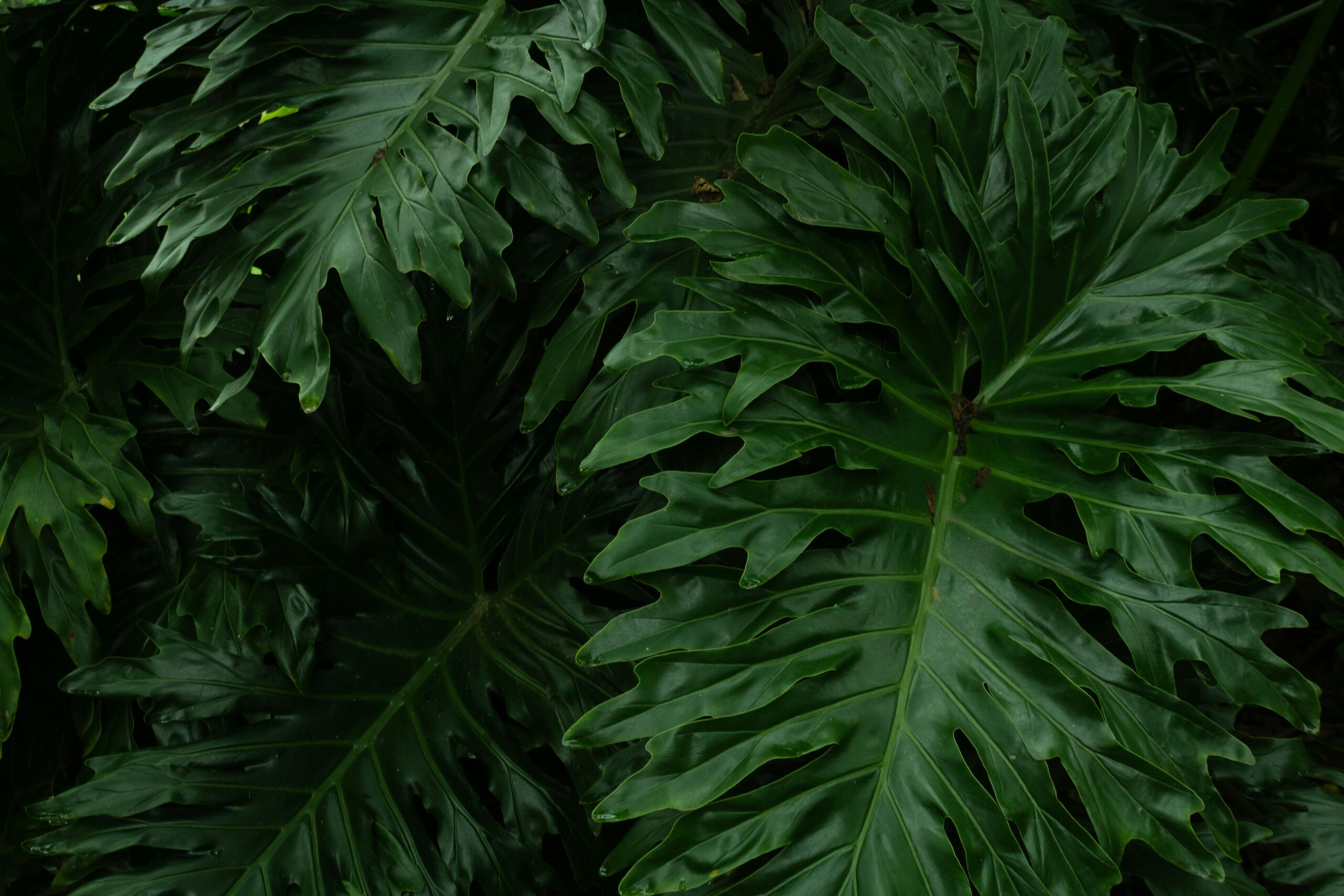
Big, dramatic leaves. Easy-going nature. The split-leaf philodendron is one of those plants that looks expensive—but doesn’t act fussy.
Split-leaf philodendron is a low-maintenance tropical plant that thrives in bright, indirect light, well-draining soil, and moderate watering. With the right balance of light, water, and warmth, it can grow into a stunning indoor or outdoor statement plant.
What Is a Split-Leaf Philodendron?
Split-leaf philodendron is a tropical plant known for its large, deeply cut leaves and bold presence. Despite the name, it’s not a true “tree” and not the same as monstera (a common mix-up).
It grows slowly at first, then picks up speed once established.
Ideal Growing Conditions
Light Requirements
- Prefers bright, indirect light
- Tolerates medium light
- Too much direct sun can scorch leaves
Tip: If leaves look small or leggy, it likely needs more light.
Soil Type
- Use loose, well-draining soil
- A mix with peat, perlite, and compost works well
- Avoid heavy garden soil—it holds too much water
Watering Schedule
- Water when the top 2–3 inches of soil feel dry
- Overwatering is the most common mistake
- Yellow leaves usually mean too much water
Rule of thumb: Slightly dry is better than constantly wet.
Temperature and Humidity
- Ideal temperature: 65–85°F (18–29°C)
- Loves humidity but adapts to normal indoor air
- Protect from cold drafts and sudden temperature drops
How Fast Does It Grow?
Split-leaf philodendron grows at a moderate pace. With good care, it can produce several large leaves each year and eventually reach 5–10 feet tall indoors.
Fertilizing: How Much Is Enough?
- Feed once a month during spring and summer
- Use a balanced liquid houseplant fertilizer
- Skip feeding in fall and winter
Over-fertilizing can cause salt buildup and leaf burn.
Pruning and Maintenance
- Remove yellow or damaged leaves at the base
- Wipe leaves occasionally to remove dust
- No shaping needed unless it outgrows your space
Pruning helps the plant redirect energy into healthy growth.
Common Problems and Easy Fixes
| Problem | Likely Cause | Simple Fix |
|---|---|---|
| Yellow leaves | Overwatering | Let soil dry out |
| Brown tips | Low humidity or salts | Mist leaves, flush soil |
| Small leaves | Low light | Move closer to window |
| Drooping | Thirst or root stress | Check soil moisture |
Pros & Cons
| Pros | Cons |
|---|---|
| Bold, tropical look | Toxic to pets |
| Easy to care for | Needs space |
| Adapts to indoor light | Slow starter |
| Long lifespan | Sensitive to cold |
Real-World Care Example
In a bright living room near an east-facing window, a split-leaf philodendron watered every 7–10 days can grow large, glossy leaves within its first year. Owners often notice faster growth once the plant reaches maturity and roots settle.
FAQs (People Also Ask)
Is split-leaf philodendron easy to care for?
Yes. It’s one of the easier large-leaf houseplants and forgives minor mistakes.
Can it grow outdoors?
Yes, in warm, frost-free climates. It does best in partial shade.
Why are my leaves not splitting?
Young plants produce solid leaves. Deep splits appear as the plant matures.
Is split-leaf philodendron toxic?
Yes. It’s toxic to cats, dogs, and humans if ingested.
How often should I repot it?
Every 2–3 years, or when roots start circling the pot.
Final Verdict
If you want a bold, tropical plant without constant care, split-leaf philodendron is a smart choice. Give it light, don’t drown it, and it will reward you with massive, dramatic leaves for years. It’s proof that statement plants don’t have to be high maintenance.
[…] a gate is mounted too far from the hinge post or without proper spacing, gravity starts doing its job. The weight pulls the free end down over […]