

Stone dust is one of those simple materials that quietly does a lot of work. Garden landscapers, and DIY homeowners use it for paths, patios, soil improvement, and more. Yet many people are unsure what It actually is, how it differs from sand or gravel, and when it makes sense to use it in a garden.
This in-depth guide explains It in plain language. You’ll learn what it is, how it’s made, the pros and cons of using it in gardens, practical ways to apply it, and where to buy quality stone dust near you. The goal is clarity, not hype—so you can decide if It is right for your project.
What Is Stone Dust?
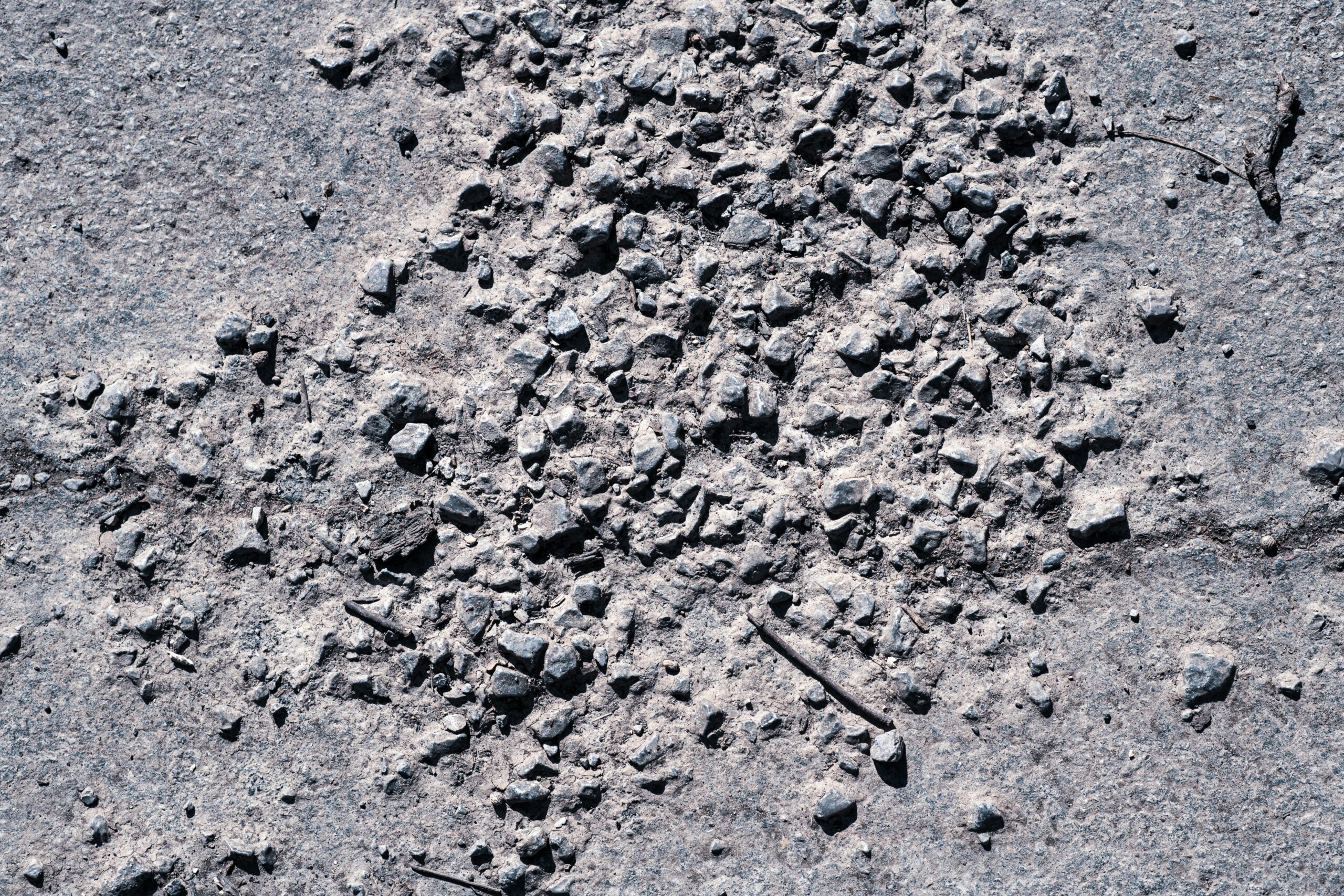
Stone dust is a fine, powder-like material created during the crushing of stone. When larger rocks are broken down into gravel or crushed stone, the smallest particles left behind are collected as stone dust.
It looks similar to coarse flour or cement powder. Depending on the type of rock it comes from, It can appear gray, tan, off-white, or slightly brown.
How Stone Dust Is Made
Stone dust is not manufactured separately. It is a natural byproduct of stone crushing. Here’s the basic process:
- Large rocks such as limestone, granite, or basalt are fed into crushers.
- The crushers break the rock into smaller pieces.
- Screens separate gravel sizes.
- The finest particles fall through.
Because it comes from real stone, It has sharp edges at a microscopic level. This detail matters for how it behaves in gardens and walkways.
Common Names for Stone
Stone dust goes by many names. Knowing these can help when you’re buying it locally:
- Crusher dust
- Quarry dust
- Rock dust
- Stone screenings
- Decomposed granite fines (in some regions)
The exact name often depends on the supplier and the type of stone used.
Types of Stone Dust
Not all these are the same. The source rock affects texture, color, and performance.
Limestone Stone Dust
- Light gray to white
- Contains calcium carbonate
- Can slightly raise soil pH
- Common in garden and pathway use
Granite Stone Dust
- Darker gray or bluish tone
- Very hard and durable
- Good for paths and base layers
- Less impact on soil pH
Basalt or Trap Rock Dust
- Dark gray to black
- High strength
- Often used in heavy-duty landscaping
When buying these for garden use, ask what type of stone it comes from. This helps avoid surprises, especially for soil health.
Stone Dust vs Sand vs Gravel
People often confuse it with sand or fine gravel. They behave very differently.
Stone Dust vs Sand
Sand grains are rounded. Stone dust particles are sharp and angular.
- Sand drains well but shifts easily
- Stone dust compacts tightly and stays in place
- Sand works better in soil mixes
- Stone dust works better for paths and bases
Stone Dust vs Gravel
Gravel has larger, visible stones.
- Gravel drains fast
- Stone dust holds moisture
- Gravel is loose
- Stone dust packs firm
In many projects, people use both—gravel for structure and stone dust to lock everything together.
Uses of Stone Dust in the Garden
Stone dust has many garden uses, but it’s not perfect for every situation. Understanding when to use it makes all the difference.
1. Garden Paths and Walkways
This is the most popular garden use for stone dust.
Why Stone Dust Works for Paths
- Compacts into a firm surface
- Reduces weeds when installed properly
- Feels natural underfoot
- Blends well with garden landscapes
How to Use Stone Dust for Paths
- Remove grass and topsoil.
- Lay a weed barrier fabric.
- Add a compacted base layer (gravel works best).
- Spread 1–2 inches of stone dust.
- Lightly wet and compact it.
Once compacted, stone dust creates a smooth, stable walking surface.
2. Base Material for Pavers and Stepping Stones
Stone dust is often used under pavers, bricks, and stepping stones.
Benefits as a Base Layer
- Fills gaps evenly
- Locks stones in place
- Prevents shifting over time
- Easy to level
Many professionals prefer stone dust over sand for pavers because it doesn’t wash out as easily.
3. Patio and Seating Areas
Stone dust works well for informal patios, fire pit areas, and seating spaces.
It creates a solid surface without the cost of concrete. With proper edging, it stays in place and resists erosion.
4. Soil Amendment (Limited Use)
This is where people need to be careful.
Can You Mix Stone Dust into Garden Soil?
Yes, but only in small amounts and for specific goals.
Potential benefits:
- Adds trace minerals
- Improves soil structure in some cases
Possible problems:
- Poor drainage if overused
- Soil compaction
- Reduced air flow to roots
Stone dust is not a replacement for compost or organic matter. Use it sparingly, and only after testing your soil.
5. Lawn Repair and Leveling (With Caution)
Some people use stone dust to fill low spots in lawns. This is not always ideal.
Pros
- Firm and long-lasting
- Does not wash away easily
Cons
- Grass struggles to grow through thick layers
- Can create hard patches
If you use stone dust on lawns, mix it with topsoil and compost.
Advantages of Using Stone Dust
Stone dust has several strong points that explain its popularity.
1. Excellent Compaction
Once compacted, stone dust forms a stable surface that resists movement.
2. Natural Look
It blends into gardens better than concrete or asphalt.
3. Affordable
Stone dust is usually inexpensive, especially when bought in bulk.
4. Low Maintenance
Properly installed stone dust paths need little upkeep.
Disadvantages of Stone Dust
Stone dust also has drawbacks. Knowing them helps avoid frustration.
1. Poor Drainage
Stone dust holds water. In wet climates, this can cause puddling.
2. Dusty When Dry
During dry weather, it can produce fine dust.
3. Hard Surface
It compacts very hard, which can be tough on plant roots.
4. Not Ideal for All Soils
Clay soils can become even denser when mixed with stone dust.
Is Stone Dust Safe for Plants?
Stone dust itself is not toxic. However, how you use it matters.
- Avoid thick layers around plant roots
- Do not replace compost with stone dust
- Watch soil pH if using limestone dust
For planting beds, organic materials always come first.
How Much Stone Dust Do You Need?
Coverage depends on depth.
As a rough guide:
- 1 ton covers about 100 square feet at 2 inches deep
- 1 cubic yard covers about 150 square feet at 2 inches deep
Always buy slightly more than you calculate to account for compaction.
How to Install Stone Dust Properly
Good installation makes the difference between a solid surface and a messy one.
Step-by-Step Basics
- Excavate the area
- Install edging
- Add a gravel base if needed
- Spread stone dust evenly
- Lightly water
- Compact with a hand tamper or plate compactor
Rushing this process leads to uneven results.
Maintenance Tips for Stone Dust Areas
Stone dust surfaces last longer with basic care.
- Sweep debris regularly
- Re-compact loose spots
- Add a thin top-up layer every few years
- Control weeds early
Proper edging greatly reduces maintenance.
Where to Buy Stone Dust
It is widely available, but quality and price vary.
Local Sources
- Stone quarries
- Landscape supply yards
- Building material suppliers
Buying locally usually costs less and ensures fresher material.
Bulk vs Bagged Stone Dust
Bulk stone dust
- Cheaper per unit
- Best for large projects
- Requires delivery or pickup truck
Bagged stone dust
- Convenient
- Cleaner to handle
- More expensive
For garden paths or patios, bulk is often the better value.
How to Choose Good Quality
When buying It, look for:
- Consistent fine texture
- Minimal debris or clay clumps
- Dry material (not muddy)
- Known stone source
If possible, ask for a sample before buying large quantities.
Environmental Considerations
It is a natural material, but mining and transport have environmental impacts.
To reduce your footprint:
- Buy locally
- Use only what you need
- Combine with recycled materials where possible
Well-installed surfaces can last for many years, reducing waste.
Common Mistakes to Avoid
Many problems with It come from simple mistakes.
- Skipping the base layer
- Using it where drainage is critical
- Applying it too thick around plants
- Forgetting edging
Avoiding these errors saves time and money.
Is Stone Dust Right for Your Garden?
It works best for:
- Garden paths
- Walkways
- Patio bases
- Paver foundations
It is less suitable for:
- Vegetable beds
- Flower borders
- Areas with poor drainage
Match the material to the job, not the trend.
Final Thoughts
Stone dust is a practical, affordable material with many garden and landscaping uses. When installed correctly, it creates stable paths, strong bases, and clean outdoor spaces that blend naturally into the landscape.
The key is understanding its limits. It is not soil, compost, or sand. Used wisely, it supports garden design rather than working against it.
If you’re planning a path, patio, or hard-wearing garden feature, It is worth serious consideration.
[…] a surface needs special cleaners, frequent resealing, or constant babying, it doesn’t […]