

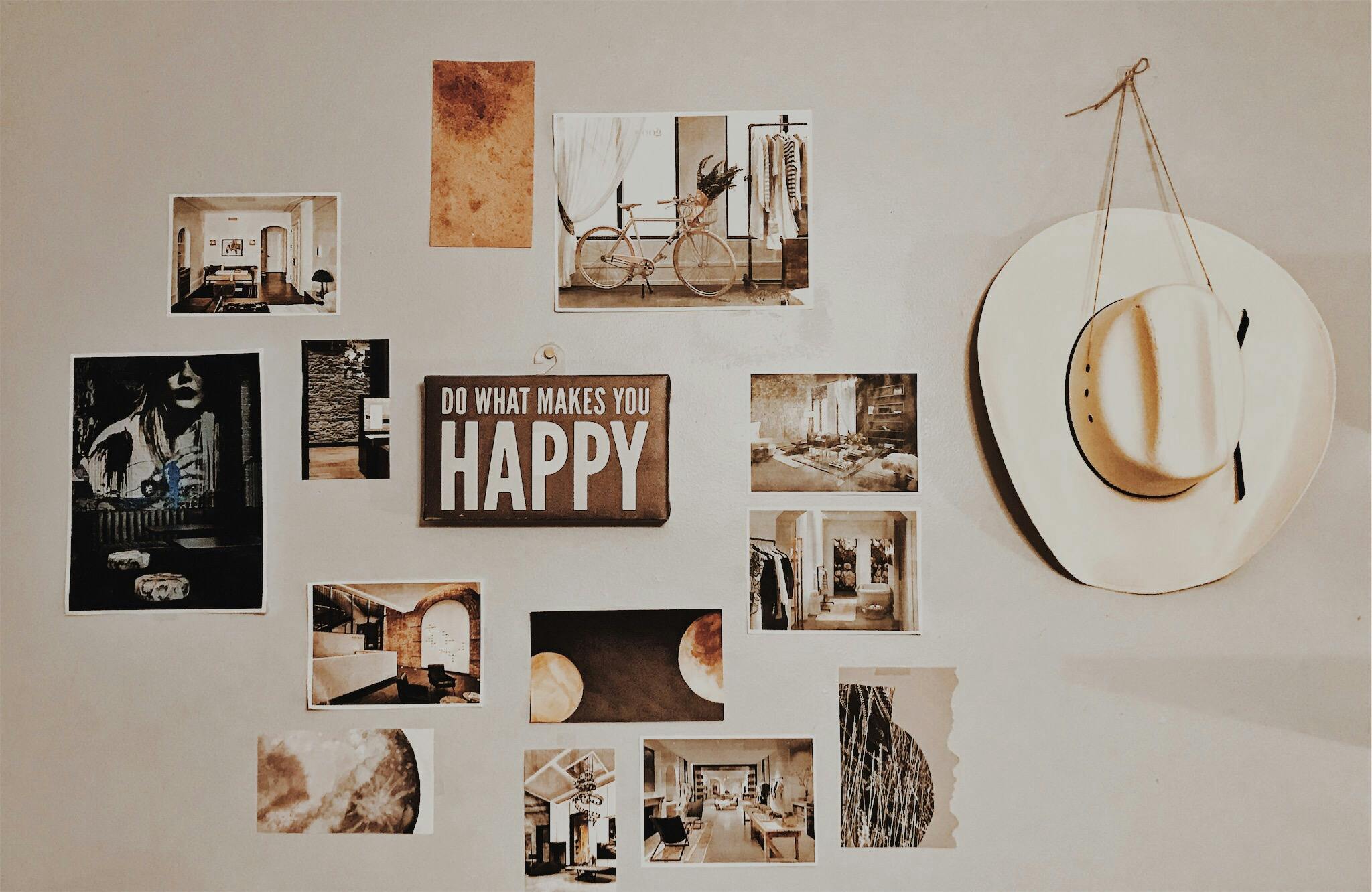
Art has the power to transform a space instantly. A blank wall can feel lifeless, but the right artwork adds personality, emotion, and visual interest. Whether you live in a small apartment or a spacious house, styling art correctly can make your interior look polished and thoughtfully designed.
Styling art means choosing, placing, and arranging artwork in a way that complements your home’s design, colors, and mood. When done right, art becomes more than decoration—it becomes a focal point that brings the entire room together.
This guide explains how to style art in your home step by step. You’ll learn how to choose the right pieces, place them correctly, and create beautiful displays that make your interior stand out.
Why Art Styling Matters in Interior Design
Many people hang artwork randomly without thinking about balance or placement. The result often looks awkward or disconnected from the room.
Thoughtful art styling solves this problem.
Here’s why it matters:
1. Creates a focal point
A well-placed artwork naturally draws the eye and anchors the room.
2. Adds personality
Art reflects your taste, interests, and lifestyle.
3. Enhances color harmony
Artwork can introduce colors that tie together furniture, rugs, and accessories.
4. Makes a space feel finished
Rooms without art often feel incomplete or empty.
Interior designers rarely leave walls bare because art helps tell the story of the space.
How to Choose the Right Artwork for Your Space
Choosing artwork can feel overwhelming, especially with so many styles available. The key is selecting pieces that connect with your space and personal taste.
1. Match the Style of the Room
Start by considering your interior design style.
- Modern interiors often work well with abstract art, geometric prints, or minimal photography.
- Traditional spaces pair nicely with classic paintings, landscapes, or framed sketches.
- Bohemian interiors look great with colorful prints, textiles, or eclectic gallery walls.
- Minimalist homes benefit from simple artwork with clean lines and neutral tones.
The goal is to complement the room, not compete with it.
2. Consider Color Coordination
Artwork is a powerful tool for reinforcing color schemes.
You can style art in three ways:
Match the colors
Choose artwork that repeats colors already in the room.
Add contrast
Select a piece with bold colors that stand out from neutral walls.
Introduce accent colors
Artwork can bring in colors from pillows, rugs, or decor items.
Tip: If your room feels dull, a vibrant art piece can instantly energize the space.
3. Think About Scale and Proportion
Size matters more than most people realize.
Small artwork on a large wall often looks lost. Oversized pieces in tight spaces can feel overwhelming.
Interior designers follow a simple rule:
Artwork above furniture should be about two-thirds the width of the furniture.
Examples:
- A large painting above a sofa
- Two medium pieces above a console
- A gallery wall above a bed
Proper scale keeps the room visually balanced.
Best Places to Style Art in Your Home
Artwork can enhance almost every room in the house. The key is placing it where it naturally fits the layout.
Living Room
The living room is often the best place to showcase statement artwork.
Popular placements include:
- Above the sofa
- Above a fireplace
- On a large accent wall
- Behind a console table
Large canvas art or a gallery wall works particularly well here because the space is usually larger.
Bedroom
In bedrooms, art should create a calm and relaxing atmosphere.
The most common placement is above the headboard.
Soft colors, abstract designs, or nature-inspired artwork work well in bedrooms because they help maintain a peaceful vibe.
You can also add small framed art on:
- Bedside walls
- Dressers
- Floating shelves
Dining Room
Dining areas benefit from artwork that adds warmth and character.
Good options include:
- Still life paintings
- Food-inspired art
- Photography
- Abstract prints
Large single pieces often work better than multiple small frames in dining rooms.
Hallways and Entryways
Hallways are perfect for creating gallery walls.
These areas usually lack furniture, so artwork becomes the main visual feature.
Ideas include:
- Black-and-white photography collections
- Travel photos
- Mixed frame styles
- Family picture galleries
Entryways especially benefit from art because they create a strong first impression for guests.
Gallery Walls: A Stylish Way to Display Art
Gallery walls have become one of the most popular interior design trends.
They allow you to combine multiple artworks into one cohesive display.
How to Build a Gallery Wall
1. Choose a theme
Your artwork should share something in common, such as color, style, or subject.
2. Plan the layout first
Arrange frames on the floor before hanging them.
3. Keep spacing consistent
Most designers recommend 2–3 inches between frames.
4. Mix sizes thoughtfully
Combine large and small frames to create visual movement.
5. Start with the center piece
Place the largest frame first, then build around it.
Gallery walls work well in:
- Living rooms
- Hallways
- Staircases
- Home offices
Framing: The Secret to Professional-Looking Art
Even beautiful artwork can look unfinished without the right frame.
Framing helps integrate art into your interior style.
Popular Frame Styles
Minimal black frames
Perfect for modern interiors.
Natural wood frames
Great for Scandinavian or rustic spaces.
Gold frames
Ideal for classic or elegant interiors.
White frames
Work well in bright, airy rooms.
For a clean look, many designers recommend keeping frame styles consistent within a single display.
Lighting Your Artwork Properly
Lighting can dramatically improve how artwork looks.
Without proper lighting, even stunning pieces may go unnoticed.
Best Lighting Options
Picture lights
Mounted above artwork to highlight it.
Track lighting
Adjustable lights that can focus on specific pieces.
Wall washers
Lights that evenly illuminate the wall surface.
Natural light
Works beautifully but avoid direct sunlight because it can fade artwork.
Lighting helps artwork stand out and creates a more refined interior.
Mixing Art with Other Wall Decor
Artwork doesn’t have to stand alone. Combining it with other elements can create richer wall styling.
Common combinations include:
- Art + mirrors
- Art + wall sconces
- Art + floating shelves
- Art + decorative objects
Layering elements makes walls look curated rather than flat.
For example, a framed print above a console table paired with a mirror and a plant creates a balanced arrangement.
Common Art Styling Mistakes to Avoid
Even small mistakes can affect how artwork looks in your space.
Here are the most common ones.
Hanging Art Too High
Art should generally be hung at eye level, which is about 57–60 inches from the floor to the center of the artwork.
Hanging art too high makes it feel disconnected from the room.
Choosing Artwork That Is Too Small
Tiny artwork on large walls often looks awkward.
If you love a small piece, consider:
- Framing it with a large mat
- Grouping it with other pieces
- Placing it on a shelf display
Ignoring the Room’s Color Palette
Artwork that clashes with your interior colors can feel out of place.
Try repeating at least one color from the room within the artwork.
Overcrowding the Wall
Too many frames can create visual clutter.
Leave enough empty space so each piece can breathe.
Pros and Cons of Styling Art in Your Home
| Pros | Cons |
|---|---|
| Adds personality to interiors | High-quality artwork can be expensive |
| Creates visual focal points | Requires careful placement |
| Enhances color schemes | Too many pieces can cause clutter |
| Makes rooms feel complete | Frames and mounting may add cost |
| Allows creative expression | Trendy art styles may date quickly |
Despite a few challenges, art styling remains one of the most effective ways to upgrade interior design.
Real-World Examples of Art Styling
Example 1: Minimalist Living Room
A neutral living room with beige walls and a cream sofa can feel plain.
Adding a large black-and-white abstract canvas above the sofa creates a bold focal point while keeping the minimalist aesthetic intact.
Example 2: Cozy Bedroom
A bedroom with soft gray bedding and wood furniture benefits from two medium framed botanical prints above the headboard.
This adds natural warmth without overwhelming the space.
Example 3: Modern Entryway
A narrow entry hallway can be transformed with a vertical gallery wall of travel photos in matching frames.
The display makes the space visually interesting while showcasing personal memories.
Frequently Asked Questions (FAQs)
How high should artwork be hung?
The center of the artwork should generally sit 57–60 inches from the floor, which aligns with average eye level.
Should art match furniture?
It doesn’t have to match exactly. However, repeating colors or style elements helps create a cohesive look.
How many pieces should be on a gallery wall?
There is no fixed number. Most gallery walls include 5–12 pieces, depending on the wall size.
Is large art better than small art?
Large art works well as a focal point, especially in living rooms. Small pieces work best when grouped together.
Can I mix different art styles?
Yes. Mixing styles can create a curated look. The key is maintaining some consistency, such as frame color or theme.
Final Verdict
Styling art is one of the easiest ways to elevate your home interior. The right artwork adds character, balances color schemes, and makes rooms feel complete.
To achieve the best results:
- Choose art that fits your interior style
- Pay attention to size and proportion
- Hang pieces at the correct height
- Use frames and lighting to enhance presentation
- Experiment with gallery walls for creative displays
You don’t need to be an interior designer to style art beautifully. With thoughtful selection and placement, your walls can become one of the most striking elements of your home.
[…] home décor means decorating your home in a stylish way while keeping costs low. It focuses on function, creativity, and smart spending rather than expensive design […]