
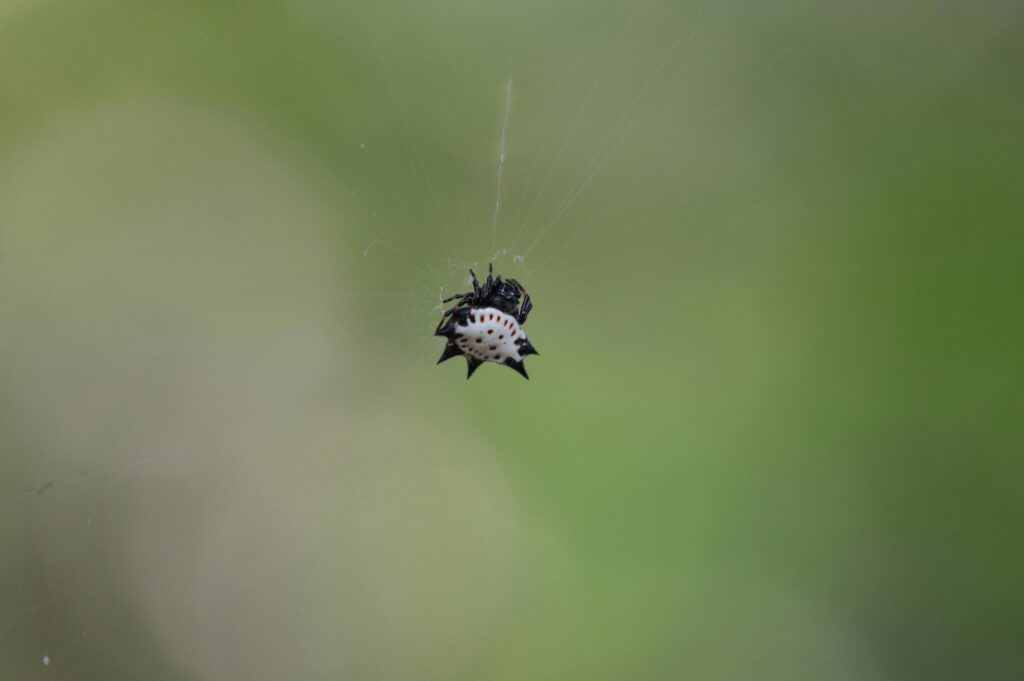
Seeing tiny white spiders crawling along your walls can be unsettling. Are they harmless house guests—or something you should worry about? tiny white spiders found in homes are almost always harmless. In most cases, they pose no serious danger to humans and actually help by controlling other pests.
Are Tiny White Spiders Dangerous? (Quick Answer)
Tiny white spiders in houses are generally not dangerous. They rarely bite, their venom is mild, and bites—if they occur at all—usually cause nothing more than minor redness or itching. For most households, they’re a nuisance, not a threat.
What Are Tiny White Spiders Commonly Found Indoors?
Not all small white spiders are the same species. Most are young spiders or light-colored varieties that look pale under indoor lighting.
Common Types You Might See
- Juvenile house spiders – Baby spiders often appear white or translucent before darkening.
- Sac spiders (yellowish-white) – Small, fast-moving spiders often mistaken as white.
- Money spiders – Tiny, pale spiders that wander indoors, especially in cooler months.
These spiders are not aggressive and prefer to avoid human contact.
Can Tiny White Spiders Bite Humans?
Yes, but it’s extremely rare.
- Bites usually happen only if a spider is trapped against skin.
- Symptoms are mild: slight redness, itching, or a small bump.
- Serious reactions are very uncommon and usually linked to allergies, not venom strength.
For comparison, a mosquito bite is often more irritating than a spider bite from these species.
Pros and Cons of Tiny White Spiders in Your Home
| Pros | Cons |
|---|---|
| Help control flies, ants, and other pests | Can cause anxiety or fear |
| Harmless to pets and children | Webbing in corners looks messy |
| Rarely bite humans | Presence may indicate other insects |
| Natural pest control | May multiply if food sources exist |
Why Do Tiny White Spiders Appear in Houses?
Spiders don’t move in randomly—they follow food and shelter.
Common Reasons
- Other insects present (flies, gnats, ants)
- Warm, dry indoor conditions
- Seasonal changes, especially in fall and winter
- Cracks, vents, or open windows
If you’re seeing many spiders, it usually means there’s an insect problem first.
Real-World Examples
- Apartments & homes: Small white spiders often appear near ceilings or window frames where insects gather.
- Bathrooms: High humidity attracts insects, which in turn attracts spiders.
- Basements & storage rooms: Low traffic areas are ideal for web-building.
In most cases, homeowners report fewer flies after leaving spiders alone.
How to Get Rid of Tiny White Spiders Safely
If you’d rather not share your space:
- Seal cracks and gaps around windows and doors
- Reduce indoor insects with regular cleaning
- Use sticky traps in corners and behind furniture
- Vacuum webs and spiders instead of spraying chemicals
Avoid unnecessary pesticides—they’re often more harmful than the spiders themselves.
FAQs – People Also Ask
Are tiny white spiders poisonous?
No. They may have venom like all spiders, but it’s not dangerous to humans.
Should I kill them in my house?
It’s not necessary. They’re beneficial and help control pests.
Can they infest a home?
Spiders don’t infest like insects. If numbers increase, it usually means more insects are available as food.
Are white spiders a sign of something bad?
Not usually. They indicate a food source, not dirt or poor hygiene.
Final Verdict
Tiny white spiders in your house are harmless, low-risk, and often helpful. They rarely bite, pose no serious health threat, and quietly reduce other pests. If they bother you, simple prevention and cleaning methods are enough—there’s no need for panic or heavy pest control.