

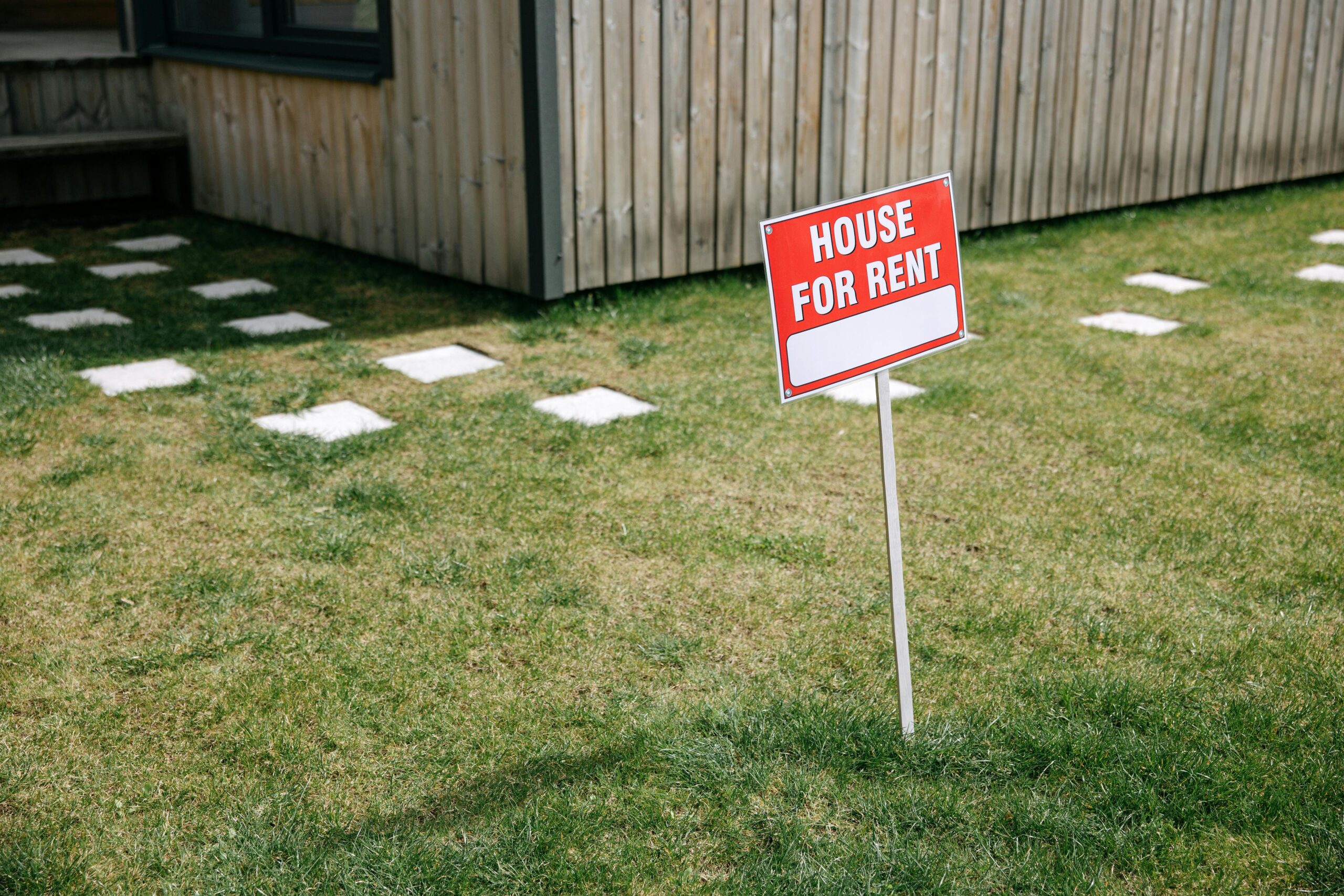
The UK rental market has undergone significant changes in recent years, shaped by rising demand, limited housing supply, and ongoing cost-of-living pressures. Renters across the country are facing higher monthly costs, while affordability varies widely depending on location, income levels, and housing availability. Understanding how the UK rental market differs by region is essential for tenants, landlords, investors, and policymakers alike.
This informational guide breaks down the UK rental market by region, examines affordability trends, and highlights the key factors influencing rental prices in 2026.
Overview of the UK Rental Market
The UK rental sector has expanded steadily over the past decade, driven by changing lifestyle preferences, delayed homeownership, population growth, and increased urbanization. Private renting now plays a crucial role in the housing market, particularly for young professionals, students, and families.
Key Market Trends
- Rising rental demand across most regions
- Shortage of available rental properties
- Increased competition among tenants
- Growing pressure on affordability
- Regional disparities in rental costs
While rental prices are rising nationwide, where you live makes a substantial difference in how affordable rent is relative to income.
London Rental Market: High Demand, Low Affordability
London remains the most expensive rental market in the UK. Strong employment opportunities, international migration, and limited housing supply continue to push rents upward.
Rental Characteristics in London
- Highest average monthly rents in the UK
- Strong demand for one- and two-bedroom flats
- Popular boroughs command premium prices
- Affordability stretched for middle-income earners
Many renters in London spend a significant portion of their income on housing, making affordability one of the biggest challenges in the capital.
South East England: High Rents with Commuter Appeal
The South East is the second most expensive rental region, largely due to its proximity to London and strong transport links.
Why Rents Are High
- Commuter towns attract professionals
- Limited new housing supply
- High household incomes compared to national average
While more affordable than London, rent-to-income ratios remain high, particularly in popular commuter areas.
South West England: Rising Costs Driven by Lifestyle Demand
The South West has seen some of the fastest rental price growth in recent years. Coastal towns and rural communities have experienced increased demand from remote workers and retirees.
Affordability Challenges
- Lower average wages compared to the South East
- Strong competition for limited rental stock
- Seasonal demand in tourist areas
This imbalance between wages and rent has made affordability a growing concern for local residents.
Midlands Rental Market: Balanced but Increasingly Competitive
Both the West Midlands and East Midlands offer relatively better affordability compared to southern regions, though rents are steadily rising.
Key Cities Driving Demand
- Birmingham
- Nottingham
- Leicester
- Coventry
Urban regeneration, growing student populations, and improved transport infrastructure have increased demand, narrowing the affordability gap.
Northern England: More Affordable with Regional Variation
Northern regions, including the North West, North East, and Yorkshire and the Humber, generally offer lower rental prices and better affordability.
Market Highlights
- Lower average rents than the UK average
- Strong rental demand in major cities
- Higher affordability relative to income
Cities like Manchester, Leeds, and Newcastle have thriving rental markets, particularly for young professionals and students, though prices in city centres are rising faster than in surrounding areas.
Scotland Rental Market: Regulated and Regionally Diverse
Scotland’s rental market differs due to distinct housing regulations and tenancy laws.
Regional Breakdown
- Edinburgh remains the most expensive city
- Glasgow offers better affordability but rising demand
- Rural and Highland areas have limited supply
Affordability varies widely, with urban centres becoming increasingly competitive.
Wales Rental Market: Growing Demand and Limited Supply
Wales offers some of the most affordable rents in the UK, though affordability pressures are growing.
Key Trends
- Cardiff leads in rental demand
- Coastal and rural areas face supply shortages
- Average wages remain lower than UK average
While rents are lower, limited availability has increased competition among tenants.
Northern Ireland: Smaller Market, Unique Dynamics
Northern Ireland has a smaller rental sector but remains relatively affordable.
Market Characteristics
- Belfast dominates rental demand
- Lower average rents than mainland UK
- Supply constraints in urban areas
Affordability is generally better, though rising demand is beginning to push prices upward.
Affordability: Rent vs Income Across the UK
Rental affordability is typically measured by the proportion of income spent on housing.
Affordability Insights
- London and the South East have the highest rent-to-income ratios
- Northern regions offer the best affordability
- Single renters face the greatest pressure
- Families benefit from shared income but face limited supply
Experts often recommend spending no more than 30–35% of income on rent, a threshold exceeded by many renters in high-demand regions.
Factors Influencing UK Rental Affordability
Several structural and economic factors shape affordability across regions:
- Housing supply shortages
- Wage growth lagging behind rent increases
- Population growth and migration
- Interest rates affecting buy-to-let supply
- Planning and development constraints
These factors contribute to long-term affordability challenges, particularly in urban and high-growth areas.
Future Outlook for the UK Rental Market
The UK rental market is expected to remain competitive, with continued pressure on affordability.
What to Expect
- Gradual rent increases across most regions
- Continued demand in major cities
- Growing importance of build-to-rent developments
- Increased focus on affordability and regulation
Regional differences will persist, making location one of the most critical factors in rental affordability.
Conclusion: Understanding Regional Rental Differences
The UK rental market is far from uniform. While London and the South East remain the most expensive and least affordable, northern regions, Wales, and Northern Ireland continue to offer better value for renters. However, rising demand and limited supply mean affordability is becoming a nationwide issue.
For renters, understanding regional rental trends and affordability can help make informed decisions. For landlords and investors, regional insights are key to identifying sustainable opportunities in a changing market.
Frequently Asked Questions (FAQs)
Q: Which UK region has the most affordable rent?
Northern England, Wales, and Northern Ireland generally offer the best affordability.
Q: Why is London rent so high?
High demand, limited supply, global investment, and strong job opportunities drive prices up.
Q: Are UK rents expected to fall?
Most forecasts suggest rents will continue to rise, though growth may slow in some regions.