

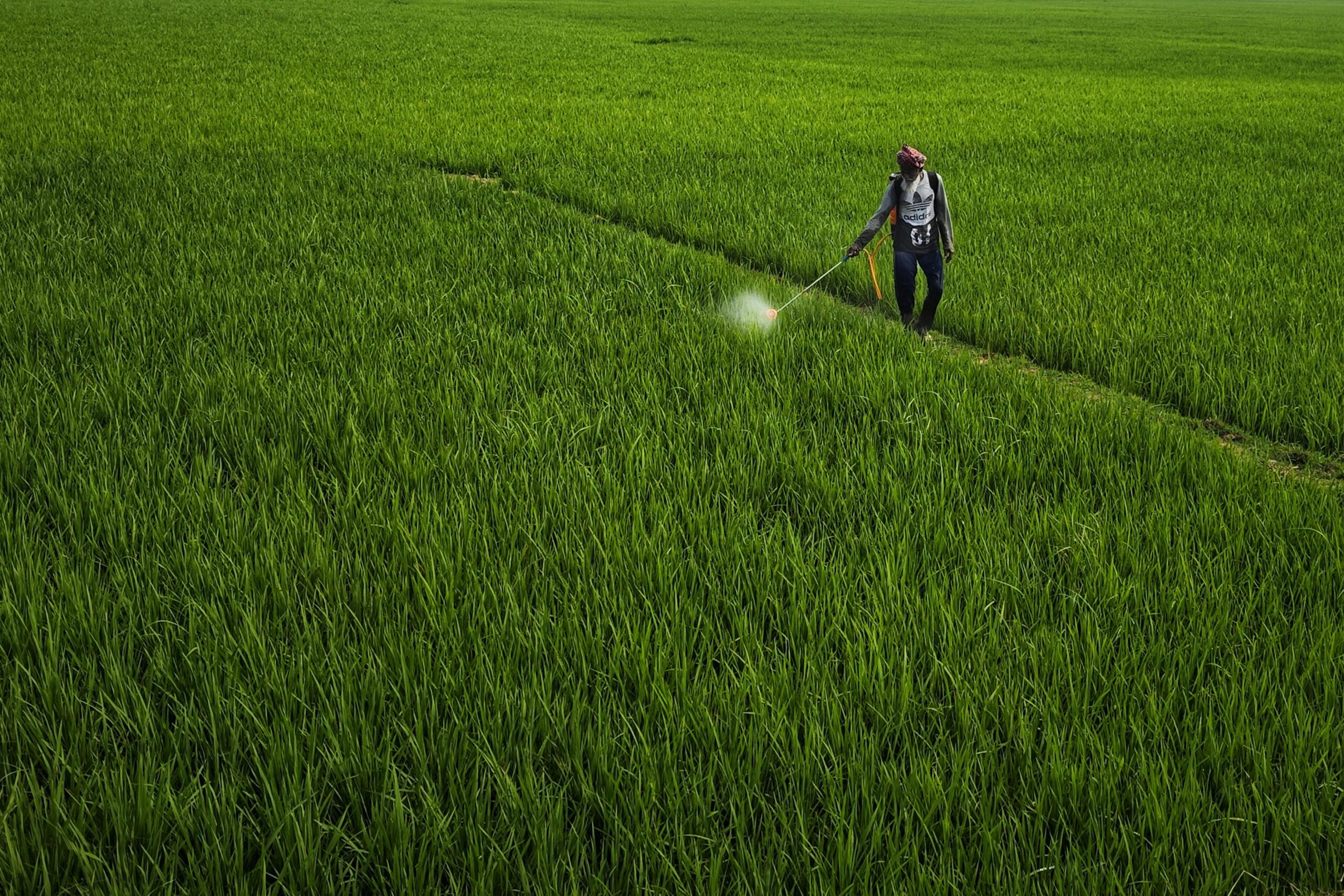
Controlling weeds is one of the biggest challenges for homeowners, gardeners, and lawn care professionals. Timing plays a critical role in weed management, and many people ask the same question every year: when is it too late to spray for weeds?
The short answer is—it depends on the weed type, the herbicide used, and environmental conditions. In this guide, we’ll break it all down so you can make the best decision for your lawn or garden.
Why Timing Matters When Spraying Weeds
Spraying weeds at the wrong time can lead to:
- Poor weed control
- Wasted herbicide
- Damage to grass, plants, or soil
- Increased weed resistance
Weeds are most vulnerable when they are actively growing, which is why understanding seasonal timing is essential.
When Is It Too Late to Spray for Weeds?
1. Late Fall and Winter
For most weeds, late fall and winter are usually too late to spray.
- Weeds become dormant and stop absorbing herbicides
- Cold temperatures reduce chemical effectiveness
- Frost can prevent herbicides from penetrating plant tissue
👉 Exception: Some perennial weeds (like dandelions) can still be treated in early fall, as they pull nutrients—and herbicides—down into their roots.
2. After Weeds Have Matured or Gone to Seed
Once weeds:
- Flower
- Produce seeds
- Become woody or overgrown
…it’s often too late for effective spraying. Mature weeds have stronger defenses and thicker leaves that resist herbicide absorption.
Pro tip: Spraying at this stage may kill the plant but won’t prevent new weeds from emerging from already-dropped seeds.
3. During Extreme Heat or Drought
Spraying weeds in extreme summer heat (above 85–90°F) is not recommended.
- Herbicides can evaporate quickly
- Plants are stressed and not actively growing
- Increased risk of lawn or crop damage
During drought conditions, weeds shut down growth, making sprays far less effective.
Best Time to Spray for Weeds (And Why)
Early Spring
- Ideal for pre-emergent herbicides
- Prevents weed seeds from germinating
- Targets crabgrass, foxtail, and other annual weeds
Late Spring to Early Summer
- Best time for post-emergent weed killers
- Weeds are young and actively growing
- Herbicides absorb quickly and work efficiently
Early Fall
- Excellent for perennial weeds
- Plants send nutrients to roots, improving kill rates
- Cooler temperatures reduce stress on lawns
Weed Type Matters More Than the Calendar
Annual Weeds
- Grow, seed, and die within one season
- Best controlled early in growth stages
- Too late once seeds develop
Perennial Weeds
- Return year after year
- Can still be sprayed in early fall
- Late fall or winter is usually ineffective
Signs It’s Too Late to Spray for Weeds
- Weeds are brown, dormant, or dying naturally
- Night temperatures are consistently below 40°F
- Soil temperatures are too cold for growth
- Weeds have already dropped seeds
If you notice these signs, it’s better to focus on prevention for next season.
What to Do If It’s Too Late to Spray
If you missed the ideal spraying window, don’t worry. You still have options:
- Hand-pulling or digging mature weeds
- Mulching to suppress new growth
- Soil improvement to strengthen grass or plants
- Plan pre-emergent treatments for early spring
Final Thoughts: Is It Ever Truly “Too Late”?
In most cases, late fall and winter are too late to spray for weeds, but smart planning can prevent future problems. The key is to spray when weeds are young, actively growing, and conditions are favorable.
By understanding weed life cycles and seasonal timing, you can save time, money, and effort—while keeping your lawn or garden healthy year-round.