

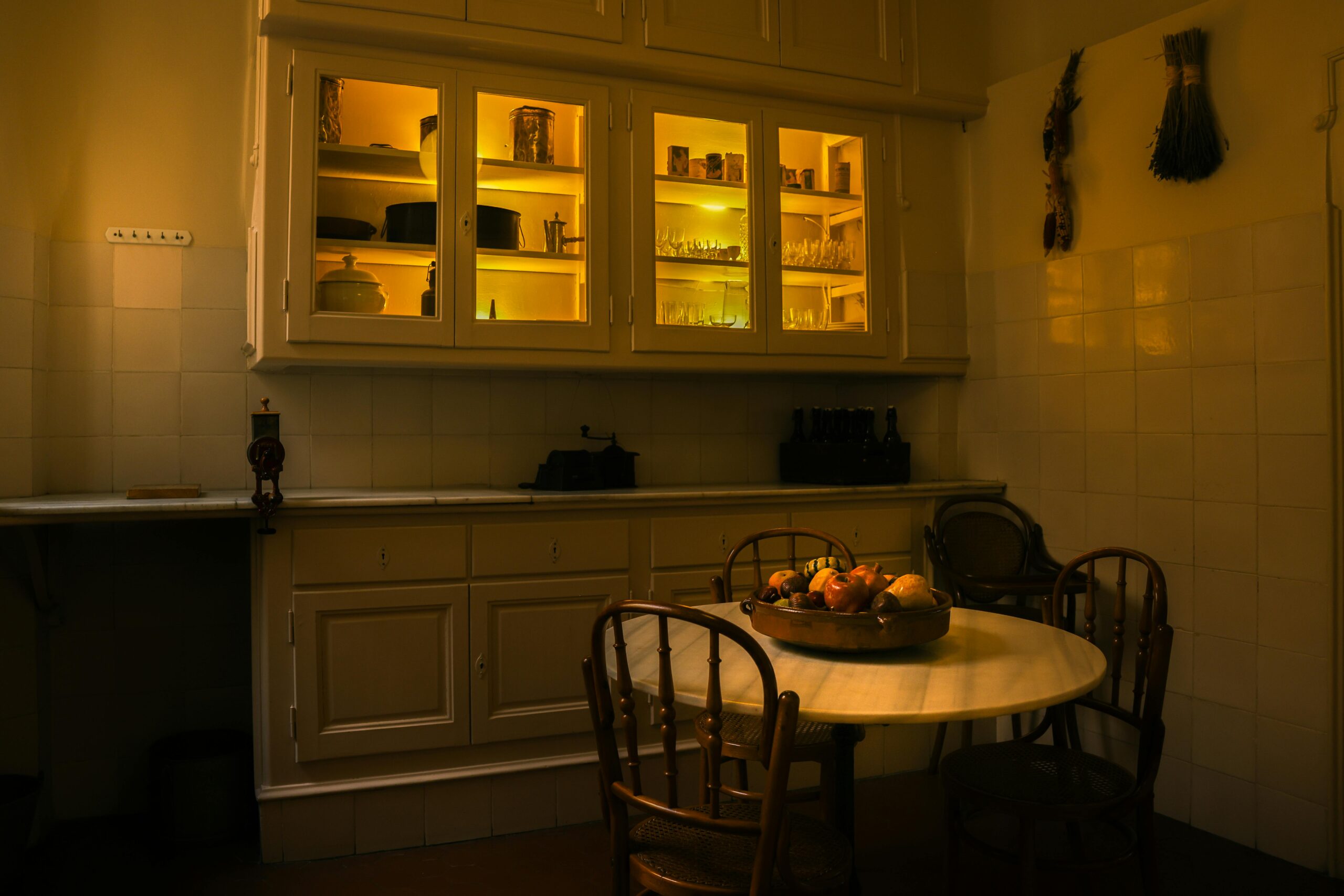
The 1920s kitchen reflects a major turning point in home design history. It sits between the fully manual kitchens of the 19th century and the modern, appliance-driven kitchens we use today. This era introduced early conveniences, improved hygiene concepts, and the beginning of standardized kitchen layouts.
Today, 1920s kitchen design is often recreated for its charm, craftsmanship, and timeless simplicity. This guide breaks down its authentic style, layout structure, materials, and how to recreate it accurately without losing functionality.
Understanding the 1920s Kitchen Aesthetic
A 1920s kitchen is defined by practicality with early modern influence. It was not decorative in the modern sense but focused on cleanliness, efficiency, and durability.
Core Design Characteristics
- Simple, functional layouts
- Light color palettes (white, cream, pastel tones)
- Built-in cabinetry beginnings
- Enamel and porcelain finishes
- Early electrical appliances (limited use)
Expert Insight
The 1920s marked the shift from “workroom kitchen” to “planned kitchen,” where design started considering workflow and efficiency.
Kitchen Layouts in the 1920s
Kitchen layouts in this period were not standardized like today, but certain patterns became common.
1. Galley Kitchen Layout
One of the most efficient and widely used layouts.
Features
- Two parallel counters
- Narrow walkway in between
- Compact and efficient workflow
Why It Worked
- Reduced movement between cooking zones
- Ideal for small homes and urban housing
Practical Insight
The galley layout was designed for speed and efficiency, not social interaction.
2. L-Shaped Layout
Another emerging design in the 1920s.
Features
- Counters along two adjoining walls
- Open corner space
- Better circulation than galley kitchens
Expert Insight
This layout allowed early integration of dining space nearby, reflecting changing lifestyle habits.
3. Separate Work Zones
In larger homes, kitchens were divided into functional areas:
- Cooking zone
- Cleaning zone
- Food prep area
Insider Tip
This early zoning concept is the foundation of today’s modern kitchen triangle (sink, stove, refrigerator).
Materials Used in 1920s Kitchens
Material choice in the 1920s was driven by durability and hygiene.
1. Wood Cabinetry
- Painted wood cabinets were common
- Simple panel designs
- Often custom-built
Key Insight
Ornamentation was minimal; function mattered more than decoration.
2. Enamel Surfaces
- White enamel countertops and sinks
- Easy to clean
- Hygienic appearance
Practical Note
Enamel was preferred because it resisted stains and was easy to disinfect.
3. Linoleum Flooring
- Affordable and durable
- Available in geometric patterns
- Easy maintenance
Expert Insight
Linoleum was one of the first widely used “modern” flooring materials in kitchens.
4. Ceramic Tile
- Used for walls and backsplashes
- Light colors dominated
- Improved cleanliness perception
Color Palette of the 1920s Kitchen
Color choices were influenced by hygiene trends.
Common Colors
- White
- Cream
- Soft yellow
- Mint green
- Pale blue
Why Light Colors?
- Made kitchens appear cleaner
- Reflected natural light better
- Reduced visual clutter
Insider Insight
Dark kitchens were associated with older, less hygienic designs and were gradually avoided.
Appliances in the 1920s Kitchen
This era introduced early modern appliances, though they were limited.
Common Appliances
- Iceboxes (before modern refrigerators)
- Gas stoves
- Early electric mixers (in wealthy homes)
- Basic toasters
Expert Insight
Electricity was still expanding, so many kitchens used a mix of gas, coal, and early electric systems.
Storage and Cabinet Design
Storage in the 1920s was highly practical.
Features
- Built-in cabinets becoming more common
- Open shelving for easy access
- Glass-front cupboards in some homes
Practical Insight
Open storage helped reduce clutter and improved visibility of kitchen items.
Lighting in 1920s Kitchens
Lighting was functional, not decorative.
Types of Lighting
- Ceiling-mounted fixtures
- Simple pendant lights
- Natural daylight emphasis
Key Insight
Kitchens were designed to maximize daylight, reducing reliance on artificial lighting.
How to Recreate a 1920s Kitchen Today
Modern homeowners often want the 1920s aesthetic while keeping functionality.
1. Use Vintage-Inspired Cabinets
- Shaker-style or flat-panel cabinets
- Painted finishes in soft tones
- Simple hardware
2. Choose Period-Style Materials
- Subway tiles for backsplash
- Marble or quartz countertops with classic tones
- Wood or tile flooring
3. Add Retro Appliances
- Cream or pastel-colored appliances
- Rounded edges
- Minimal digital display visibility
4. Focus on Layout Efficiency
- Maintain kitchen triangle concept
- Keep counters uncluttered
- Separate prep and cooking zones
Insider Tip
A modern 1920s-style kitchen works best when vintage aesthetics are paired with hidden modern functionality.
Common Mistakes in 1920s Kitchen Restoration
1. Over-Decorating
The 1920s style is simple. Excess decoration ruins authenticity.
2. Using Modern Gloss Finishes
High-gloss finishes did not exist in original designs.
3. Ignoring Layout Logic
Aesthetic replication without functional flow leads to impractical kitchens.
4. Mixing Too Many Eras
Combining 1920s, 1950s, and modern styles creates visual inconsistency.
Benefits of 1920s Kitchen Design Today
Timeless Simplicity
- Clean and uncluttered look
- Easy to maintain
Functional Layout
- Efficient cooking flow
- Practical zoning system
Historical Value
- Adds architectural character
- Strong visual identity
Expert Insight
The 1920s kitchen design aligns well with modern minimalism trends, making it surprisingly relevant today.
Who Should Choose a 1920s-Style Kitchen?
This design works well for:
- Homeowners who prefer classic aesthetics
- Renovation projects in older homes
- Minimalist design lovers
- Vintage architecture enthusiasts
Final Thoughts
The 1920s kitchen is a balance between tradition and early modern innovation. It introduced structure, hygiene-focused materials, and functional layouts that still influence kitchen design today.
Recreating this style today is not about copying history exactly, but about adapting its principles—simplicity, efficiency, and durability into modern living.
Quick Checklist for 1920s Kitchen Style
- Light, soft color palette
- Simple cabinet design
- Efficient layout (galley or L-shape)
- Vintage-inspired materials
- Minimal decoration
- Functional lighting focus
Conclusion
A 1920s kitchen design remains one of the most practical historical layouts to recreate. Its focus on simplicity and efficiency makes it suitable even for modern homes.
By combining authentic materials with updated appliances, you can achieve a space that feels both historic and functional, without sacrificing comfort or usability.