

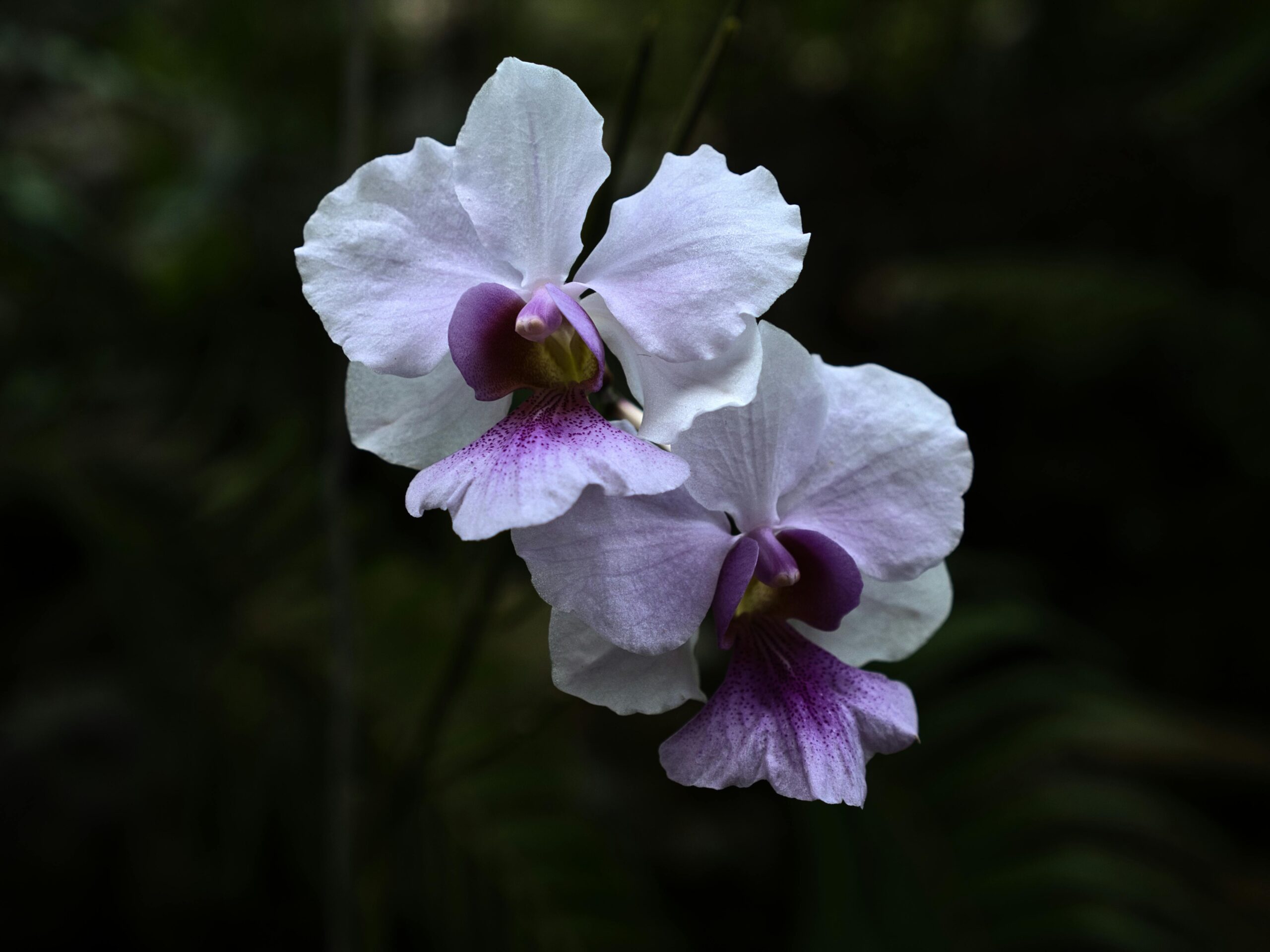
Dreaming of growing your own vanilla at home? The vanilla bean orchid looks exotic, smells amazing, and—yes—can produce real vanilla pods with the right care. Vanilla bean orchid (Vanilla planifolia) is a tropical climbing orchid that needs warm temperatures, high humidity, bright indirect light, and hand pollination to produce vanilla beans. It’s not hard—but it does require patience and consistency.
What Is a Vanilla Bean Orchid?
The vanilla bean orchid is a fast-growing vine native to tropical regions. Unlike most orchids, it doesn’t grow in a pot and stay small. It climbs, often reaching 20–30 feet in the wild.
The vanilla beans used in cooking come from the seed pods of this plant. But here’s the catch: flowers bloom for one single day, and pollination must happen during that short window.
Ideal Growing Conditions for Vanilla Orchid
Light
- Bright, indirect sunlight
- Morning sun is fine; harsh afternoon sun can burn leaves
- Near an east-facing window or under shade cloth works well
Temperature
- Best range: 70–85°F (21–29°C)
- Avoid temperatures below 60°F
- Warmth is essential for flowering
Humidity
- Needs 60–80% humidity
- Use a humidifier or mist regularly
- Bathrooms and greenhouses are ideal spots
How to Plant a Vanilla Bean Orchid
Best Growing Medium
Vanilla orchids like airflow around their roots.
Use a mix of:
- Orchid bark
- Coco coir or sphagnum moss
- Perlite or charcoal
Avoid regular garden soil—it traps moisture and causes rot.
Support Is Non-Negotiable
This plant must climb. Provide:
- Moss pole
- Wooden trellis
- Tree trunk (outdoor tropical areas)
Without support, growth slows and flowering may never happen.
Watering and Feeding Guide
Watering
- Water when the top inch feels dry
- Keep soil moist, not soggy
- Reduce watering slightly in cooler months
Fertilizing
- Use diluted orchid fertilizer
- Feed every 2–3 weeks during active growth
- Skip feeding in winter
Flowering and Pollination Explained
Vanilla orchids usually flower after 3–4 years.
Key facts:
- Flowers open early morning
- Close by late afternoon
- Each flower lasts one day only
Hand Pollination Is Required
Outside their native habitat, natural pollinators are absent.
How it’s done:
- Use a toothpick or thin stick
- Lift the membrane inside the flower
- Press pollen onto the stigma
If successful, a green pod forms and matures in 8–9 months.
Pros & Cons of Growing Vanilla Bean Orchid
| Pros | Cons |
|---|---|
| Produces real vanilla beans | Takes years to flower |
| Beautiful climbing orchid | Needs high humidity |
| Long-living plant | Hand pollination required |
| Unique home gardening project | Needs space to grow |
Real-World Growing Examples
Indoor Grower (Apartment Setup)
A grower keeps their vanilla orchid near a bright window with a moss pole and humidifier. After four years, the plant flowers and produces pods with careful hand pollination.
Outdoor Tropical Garden
In warm climates, vanilla orchids grow against trees. With natural humidity and warmth, they thrive faster and need less maintenance.
FAQs – People Also Ask
How long does it take for a vanilla orchid to produce beans?
Usually 3–5 years with proper care and successful pollination.
Can vanilla orchids grow indoors?
Yes, as long as you provide bright light, humidity, and support.
Why is my vanilla orchid not flowering?
Common reasons include:
- Not enough light
- Plant is too young
- Low humidity
- No climbing support
Are vanilla orchids hard to grow?
They’re moderate difficulty. Not fragile, but they need consistency.
Final Verdict
Growing a vanilla bean orchid is not a quick win—but it’s incredibly rewarding. If you can offer warmth, humidity, space to climb, and patience, this orchid can turn your home into a true vanilla garden.
If you enjoy hands-on plant care and long-term results, the vanilla bean orchid is absolutely worth the effort.
[…] MAJOXIN is a strong drain and pipe cleaner designed to break down grease, food scraps, hair, and organic buildup in kitchen sinks and sewer lines. Used correctly, it can clear stubborn clogs, reduce bad odors, and restore normal water flow without calling a plumber. […]