

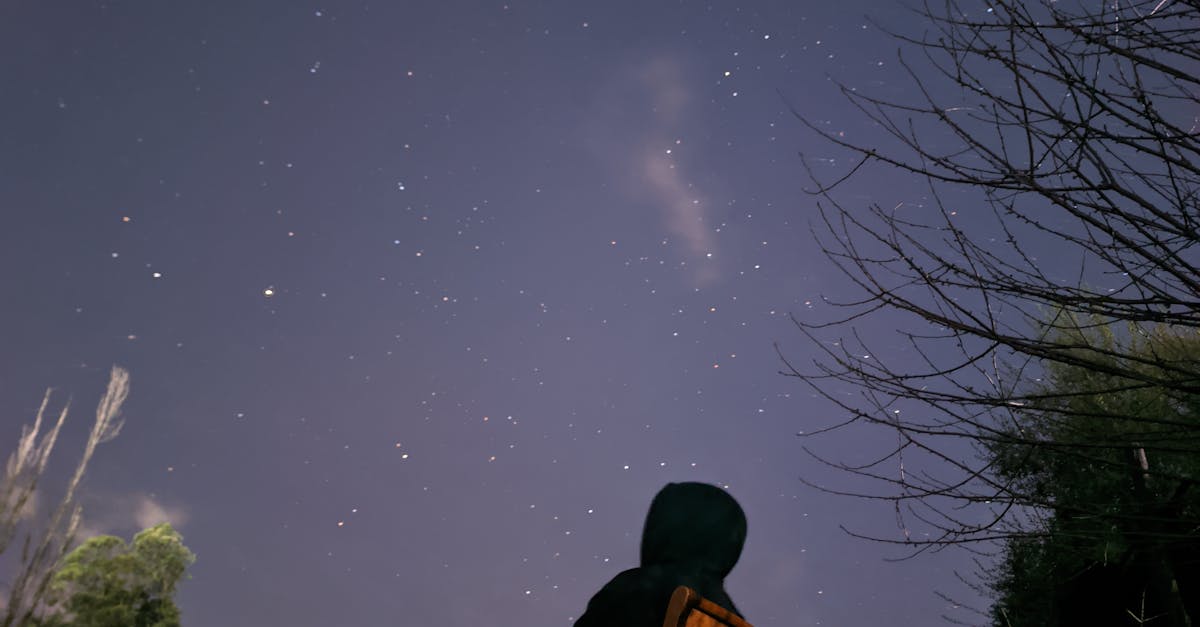
Long nights under the stars shouldn’t end with a sore back.
The best chairs for astronomy and stargazing keep you steady, relaxed, and focused—so you can observe longer and see more. In short: choose a height-adjustable, stable chair with strong back support and quiet movement.
Below is a practical, no-fluff guide to help you pick the right observing chair for your setup and observing style.
Why a Stargazing Chair Matters
A proper astronomy chair reduces neck and back strain, keeps your eyes aligned with the eyepiece, and improves observing accuracy. Unlike regular camping chairs, astronomy chairs adjust across a wide height range and stay stable on uneven ground.
If you observe for more than 20–30 minutes at a time, a dedicated chair isn’t optional—it’s essential.
Key Features to Look For in an Astronomy Chair
Wide Height Adjustment
You’ll observe targets at many angles. A good chair lets you sit low for horizon views and higher for objects near zenith—without standing up.
What to aim for: at least 8–30 inches (20–76 cm) of seat height range.
Rock-Solid Stability
Any wobble ruins fine detail at high magnification.
Look for:
- Steel or reinforced aluminum frames
- Wide feet or ground spikes
- Non-slip seat locks
Back Support (But Not Too Much)
Light back support helps during long sessions. Overly padded recliners can push your posture off balance.
Best balance: a firm seat with a modest backrest or lumbar curve.
Quiet, Tool-Free Adjustments
You’ll often adjust in the dark. Loud clicks or fiddly knobs break concentration.
Ideal: silent sliding or lever-lock systems.
Types of Chairs for Stargazing (Pros & Cons)
| Chair Type | Pros | Cons |
|---|---|---|
| Astronomy-specific chairs | Wide height range, very stable, built for telescopes | More expensive |
| Drummer thrones | Compact, smooth height control, comfy | Limited height range |
| Camping chairs | Cheap, portable | Poor posture, fixed height |
| DIY observing chairs | Custom fit, budget-friendly | Time, skill required |
Best Chairs for Astronomy and Stargazing (Trusted Options)
Starbound Observing Chair
- Why it’s popular: Huge height range and excellent stability
- Best for: Beginners to advanced observers
- Downside: Bulky when folded
Vestil CPRO-600 Adjustable Chair
- Why it works: Industrial strength, smooth sliding seat
- Best for: Long, serious observing sessions
- Downside: Heavier than most
Celestron Observing Chair
- Why it’s good: Affordable, simple, reliable
- Best for: Casual stargazers and beginners
- Downside: Narrower adjustment range
Real-World Stargazing Examples
Dobsonian telescope user:
A wide-range adjustable chair lets you stay seated whether you’re scanning galaxies low in the sky or tracking planets overhead.
Astrophotography sessions:
Comfort matters during long exposures. A stable chair helps you stay relaxed while monitoring equipment.
Back or neck pain sufferers:
Observers often report less fatigue and sharper focus after switching from a camping chair to an astronomy chair.
FAQs (People Also Ask)
What is the best chair height for stargazing?
There’s no single height. The best chairs adjust from very low to fairly high, letting you match the telescope’s eyepiece position.
Can I use a regular camping chair for astronomy?
You can—but it’s not ideal. Fixed height and poor posture support cause strain fast, especially with telescopes.
Are astronomy chairs worth the money?
Yes. Many observers say a good chair improves comfort more than upgrading an eyepiece.
Do I need a chair for binocular stargazing?
Yes, especially for sessions over 15 minutes. A chair reduces arm and neck fatigue and improves steadiness.
Final Verdict: Which Stargazing Chair Should You Choose?
If you want longer, more comfortable observing sessions, invest in a true astronomy chair.
Choose one with:
- Wide height adjustment
- Solid frame
- Quiet, simple controls
For most people, a dedicated observing chair delivers better comfort, sharper views, and less fatigue than any makeshift seating solution.