

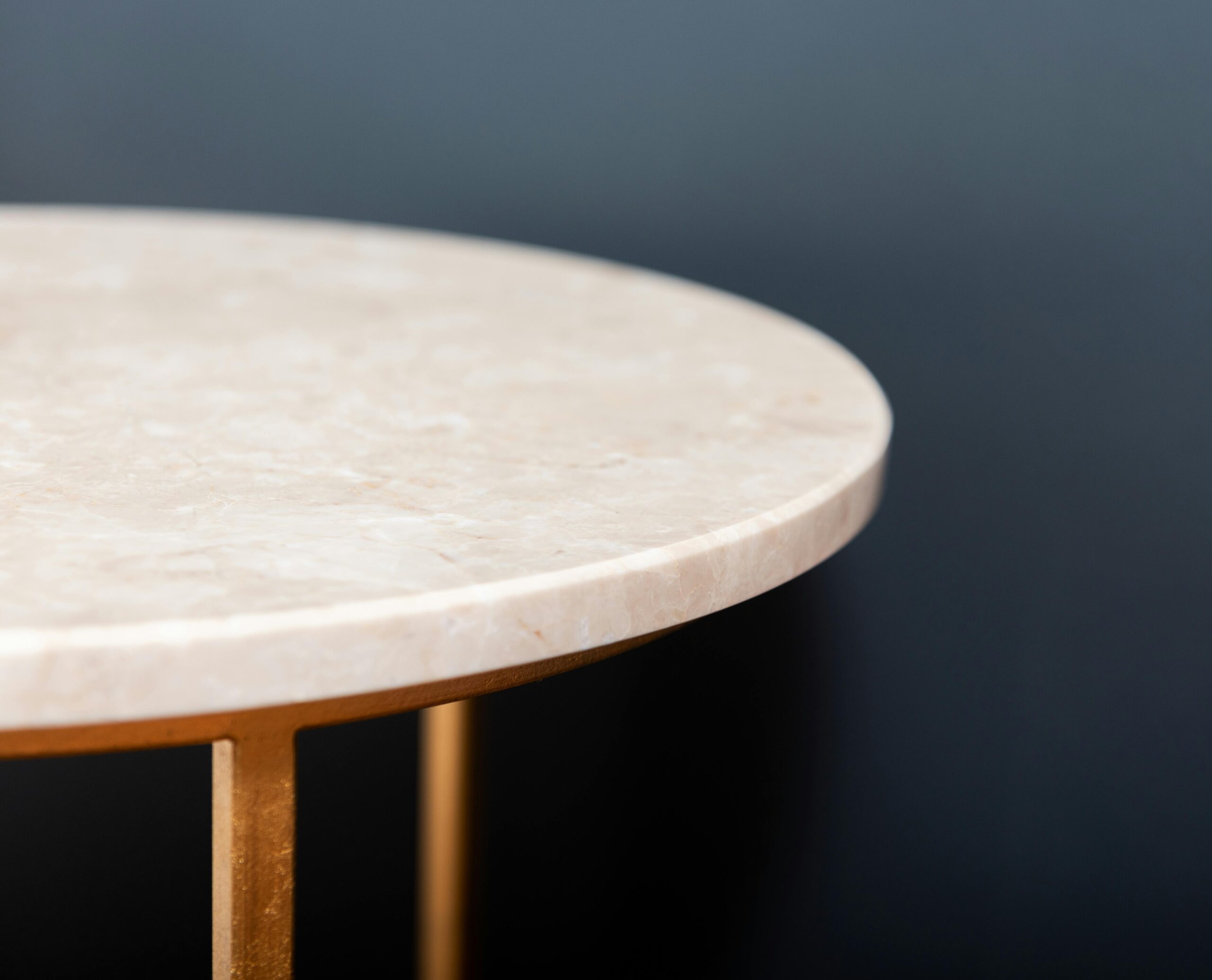
A side table looks small. But it can completely change how your room feels and works.
The best side table is one that fits your space, matches your style, and gives you practical storage without crowding the room. It should be the right height for your sofa or bed, strong enough for daily use, and designed to blend in — or stand out — in a good way.
Let’s break it down clearly so you can choose the right one.
What Makes a Side Table “The Best”?
Not all side tables are equal. Some are only decorative. Others are practical but bulky. The best one balances both.
Here’s what to look for:
1. The Right Height
This is the most important factor.
- For a sofa: The table height should be equal to or slightly lower than the armrest.
- For a bed: It should be level with your mattress top.
If it’s too tall, it feels awkward.
Too low, and it becomes uncomfortable to use.
2. Strong and Durable Material
The most popular materials include:
- Solid wood (durable and warm look)
- Engineered wood (budget-friendly)
- Metal (modern and sleek)
- Glass (minimal and light feel)
If you want long-term use, solid wood like oak or walnut is a smart choice.
3. Storage That Makes Sense
A good side table often includes:
- A drawer for small items
- A shelf for books
- Hidden storage for clutter
If you live in a smaller apartment, storage matters even more.
4. Design That Matches Your Space
Choose based on your interior style:
- Modern → clean lines, metal legs
- Rustic → natural wood finish
- Minimal → simple shape, neutral color
- Luxury → marble top or gold accents
The best side table should look intentional — not random.
Types of Side Tables (And When to Choose Them)
Round Side Table
Best for:
- Small spaces
- Homes with kids (no sharp edges)
It makes movement easier and feels softer visually.
Square or Rectangular Side Table
Best for:
- Large sofas
- More storage needs
You get more surface area for lamps and decor.
C-Shaped Side Table
Best for:
- Compact apartments
- Working from the sofa
It slides under the couch and saves space.
Nesting Side Tables
Best for:
- Flexible use
- Guests and entertaining
You can separate them when needed.
Pros and Cons of Side Tables
| Pros | Cons |
|---|---|
| Adds convenience next to sofa or bed | Can make small rooms feel crowded |
| Improves room styling | Cheap materials wear out quickly |
| Offers extra storage | Wrong height can feel uncomfortable |
| Budget-friendly upgrade | Some designs lack stability |
Real-World Examples
1: Small Apartment Living Room
A compact C-shaped table beside a two-seater sofa works better than a bulky wooden cabinet. It gives space for coffee and a laptop without blocking walking space.
2: Luxury Bedroom Setup
Two matching wooden side tables with drawers next to the bed create balance. Add warm lamps, and the room instantly feels complete.
3: Family Home
A round wooden side table with a lower shelf works well. Kids can move around safely, and books can stay organized.
How to Choose the Best Side Table for Your Home
Ask yourself these simple questions:
- Where will I place it?
- Do I need storage or just surface space?
- What height matches my furniture?
- Do I want it to blend in or stand out?
Measure your space first.
Then decide on style and function.
Never buy based only on appearance.
FAQs (People Also Ask)
What is the ideal height for a side table?
It should be equal to or 1–2 inches lower than your sofa armrest or mattress height.
Can a side table be used as a nightstand?
Yes. Many side tables work perfectly as nightstands, especially those with drawers.
What material is best for a side table?
Solid wood is the most durable. Metal works well for modern homes. Glass suits minimal spaces but needs regular cleaning.
How much should I spend on a side table?
You can find quality options in budget ranges. However, investing slightly more in solid materials saves money long term.
Are nesting side tables worth it?
Yes, if you host guests often or want flexible furniture that adapts to your needs.
Final Verdict
The best side table is not about trends.
It’s about fit, function, and durability.
Choose the right height.
Pick strong materials.
Match your interior style.
And always measure before buying.
A small piece of furniture can make a big difference — if you choose wisely.